


Photo Disclaimer
Description
North African Green Toad
Scientific Name: Bufotes boulengeri
Common Name: North African Green Toad
Species Overview
Size: Adults typically reach 2.5 to 4 inches (6.5 to 10 cm), with females usually larger and more robust than males.
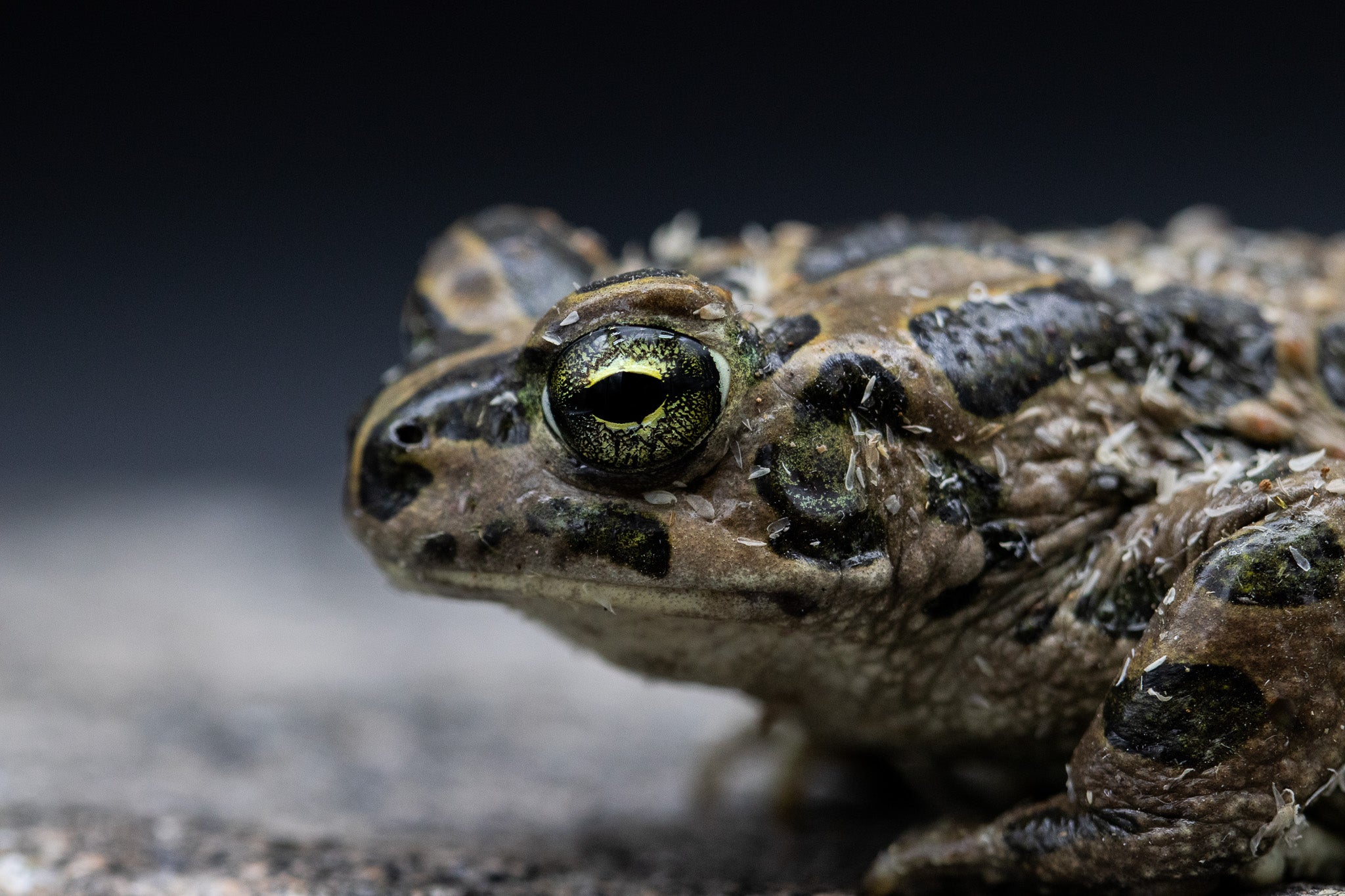
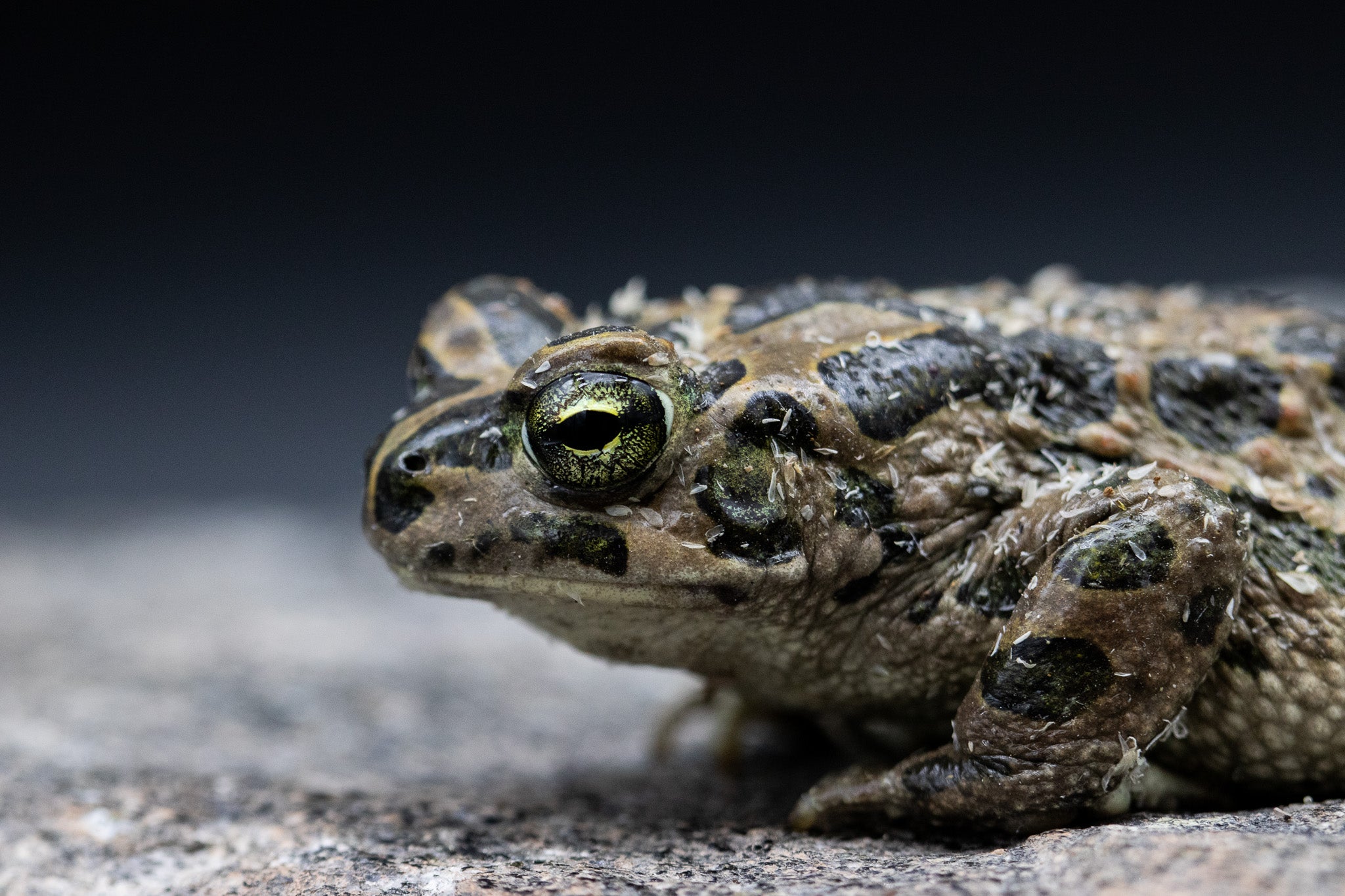
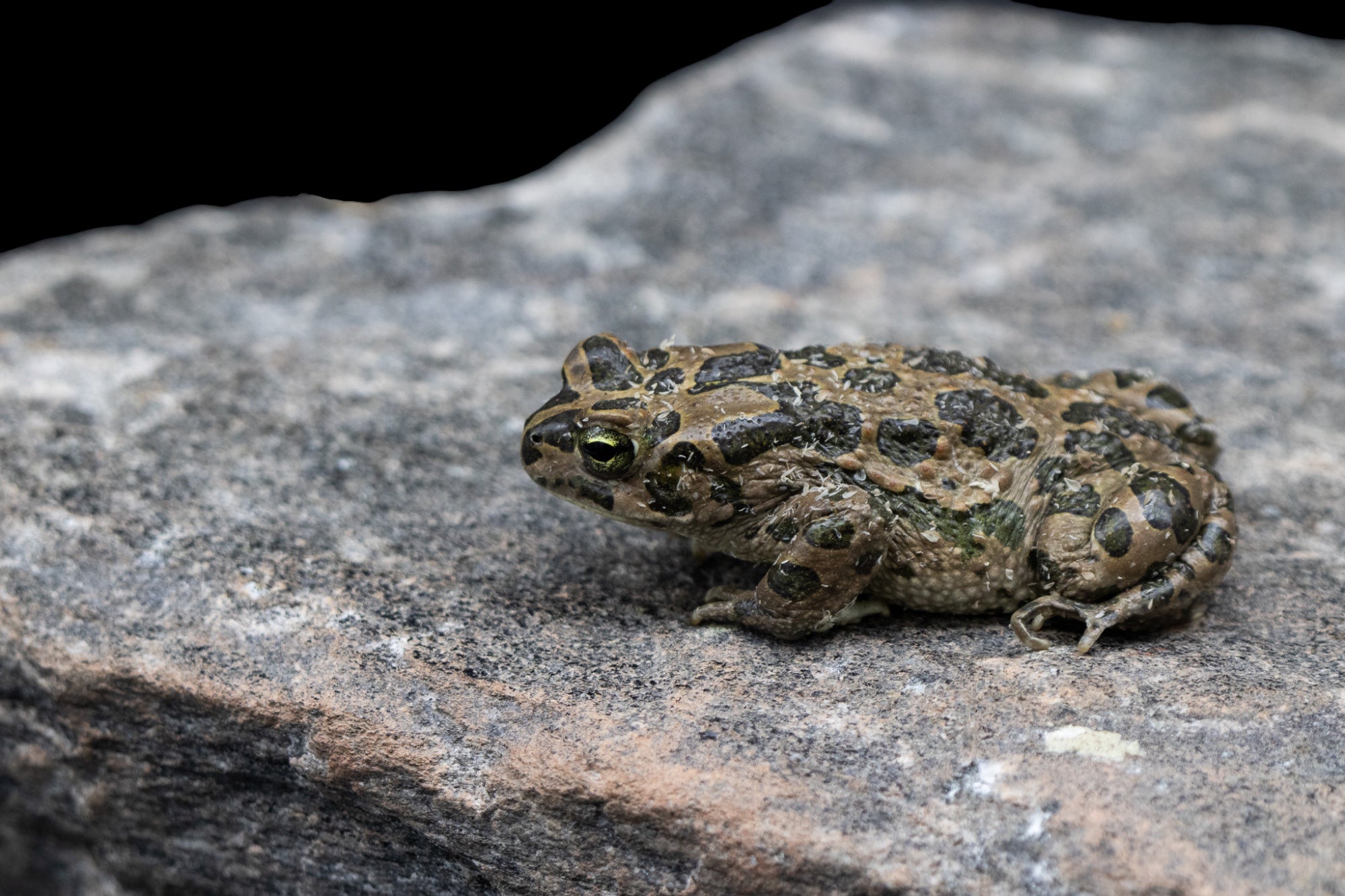
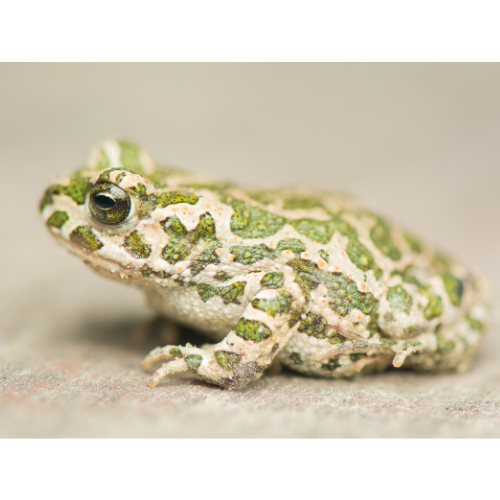
Appearance: The North African Green Toad has a pale cream, tan, or grey base colour marked with irregular green blotches that may appear olive, emerald, or dark forest green depending on locality. The dorsal pattern is often more broken and scattered than that of the European species. The skin is granular with small raised tubercles. Parotoid glands are moderately large and oval. Eyes are golden to copper with horizontal pupils. The underside is pale and lightly speckled. This species often appears slightly slimmer and more angular than other Bufotes toads from nearby regions.
Distribution: Native to North Africa, occurring across Morocco, Algeria, Tunisia, Libya, and extending into parts of the Middle East. Its broad distribution contributes to notable natural variation between populations.
Habitat: Wild individuals inhabit arid and semi-arid regions including rocky plains, deserts, agricultural zones, scrubland, and open forests. They breed in temporary or permanent water bodies such as irrigation canals, ponds, and rain-filled depressions. In captivity, they thrive in terrestrial setups that mimic warm, dry environments with moderate humidity and deep substrate.
Behaviour: Primarily nocturnal, North African Green Toads hide during the day in burrows, under rocks, or within vegetation. They emerge after dusk to forage. They tolerate heat and dryness better than many temperate species and rely on camouflage and stillness when threatened. They are solitary outside breeding seasons.
Captive Care
Enclosure: A single adult can be housed in a 24 × 18 × 18 inches (60 × 45 × 45 cm) enclosure. Provide a lightly moist soil or soil–sand mix that allows shallow burrowing. Add cork flats, rocks, branches, and live or artificial plants for shade and security. Include a shallow water dish for soaking. For multiple toads, upgrading to 36 × 18 × 18 inches (90 × 45 × 45 cm) is recommended to prevent crowding.
Temperature and Humidity:
Ambient temperature: 72 to 80°F (22 to 27°C)
Warm area: 82 to 86°F (28 to 30°C)
Night temperature: 60 to 68°F (16 to 20°C)
Humidity: 40 to 60%, with occasional light misting. Allow substantial drying between cycles to match their natural arid habitat.
Lighting: Provide low-level UVB (2 to 5%) with diffused lighting. Maintain a natural day and night cycle. Bright lighting should be balanced with ample shaded areas.
Diet: Offer a varied insectivorous diet including crickets, roaches, worms, black soldier fly larvae, and other appropriate invertebrates. Supplement prey with calcium and multivitamins. Juveniles feed frequently, while adults should be fed more conservatively to prevent obesity.
Behaviour in Captivity: Hardy and adaptable, this species acclimates well when provided warm, semi-arid conditions. They remain hidden during the day and become active nocturnal hunters. Handling should be limited due to their sensitive skin and mild toxins.
Genetics Note
There are no recognised morphs for the North African Green Toad. Natural variation occurs in dorsal pattern shape, blotch intensity, and base tone across its range, but these traits reflect locality differences rather than defined genetic morphs.