
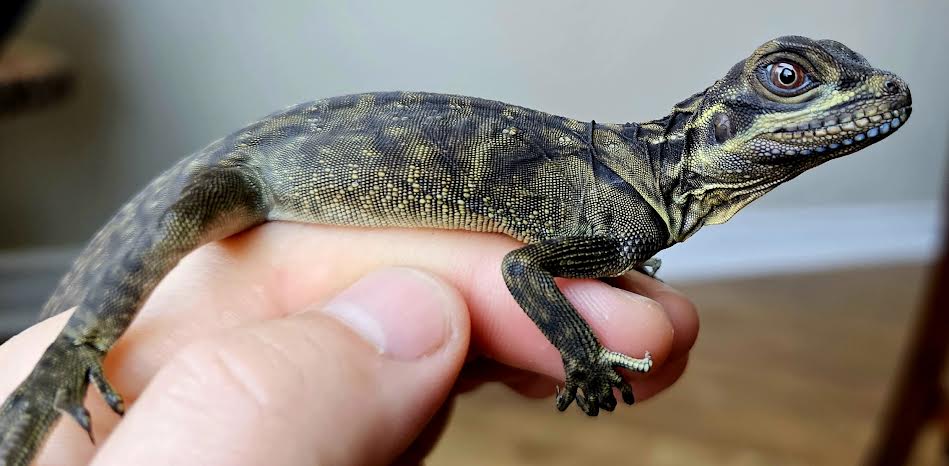
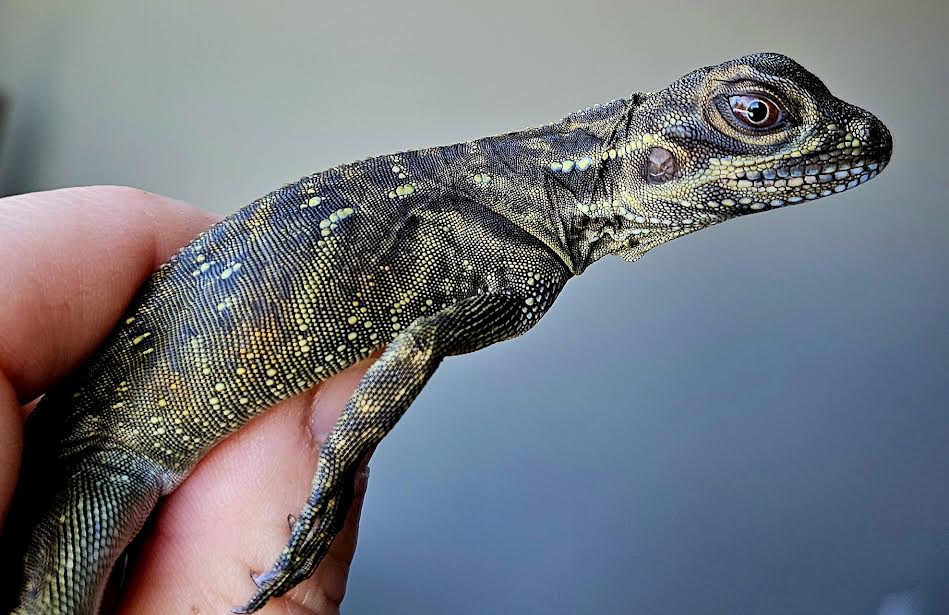
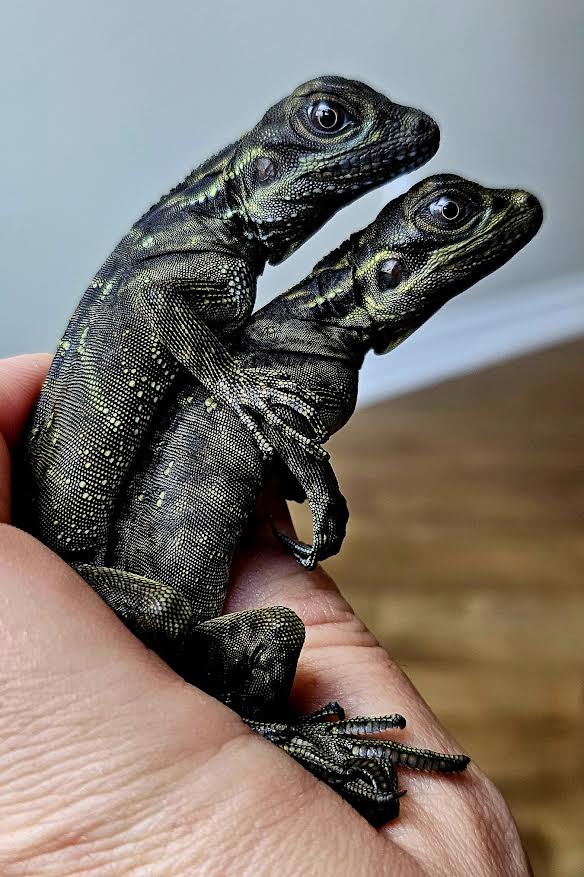
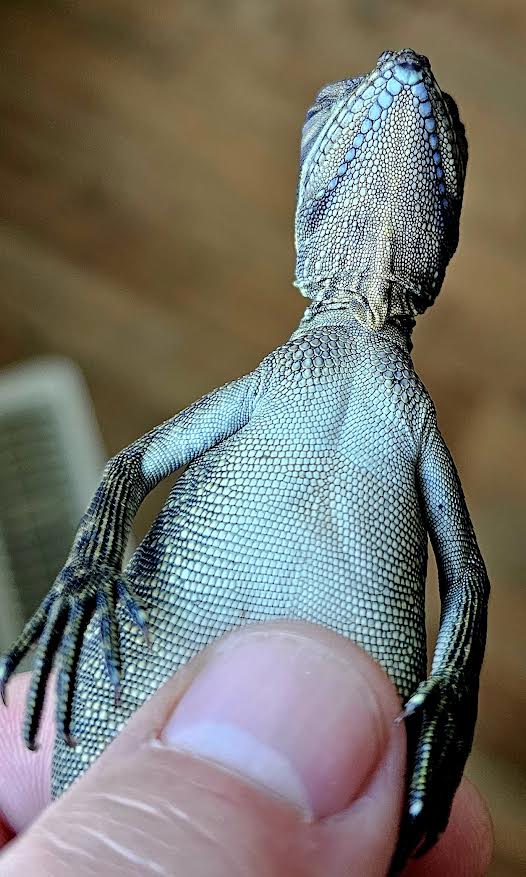


Photo Disclaimer
Description
Philippine Blue Sailfin Dragon
Scientific Name: Hydrosaurus pustulatus
Common Name: Philippine Blue Sailfin Dragon, Blue Sailfin Lizard
Species Overview
Size: Adults typically reach 3 to 4 feet (91 to 122 cm) in total length, with males developing larger dorsal crests and more substantial body mass.
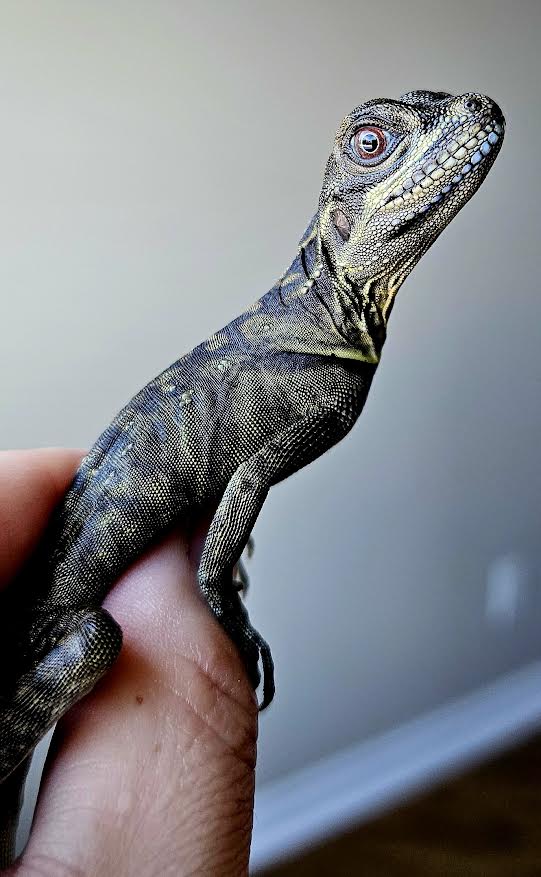
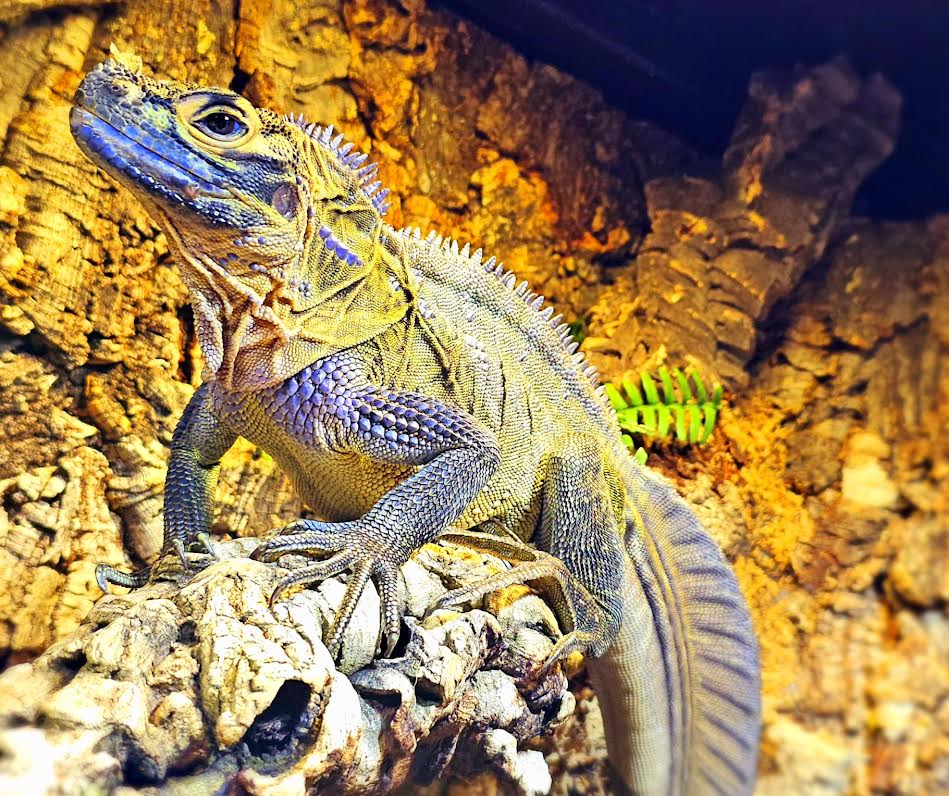
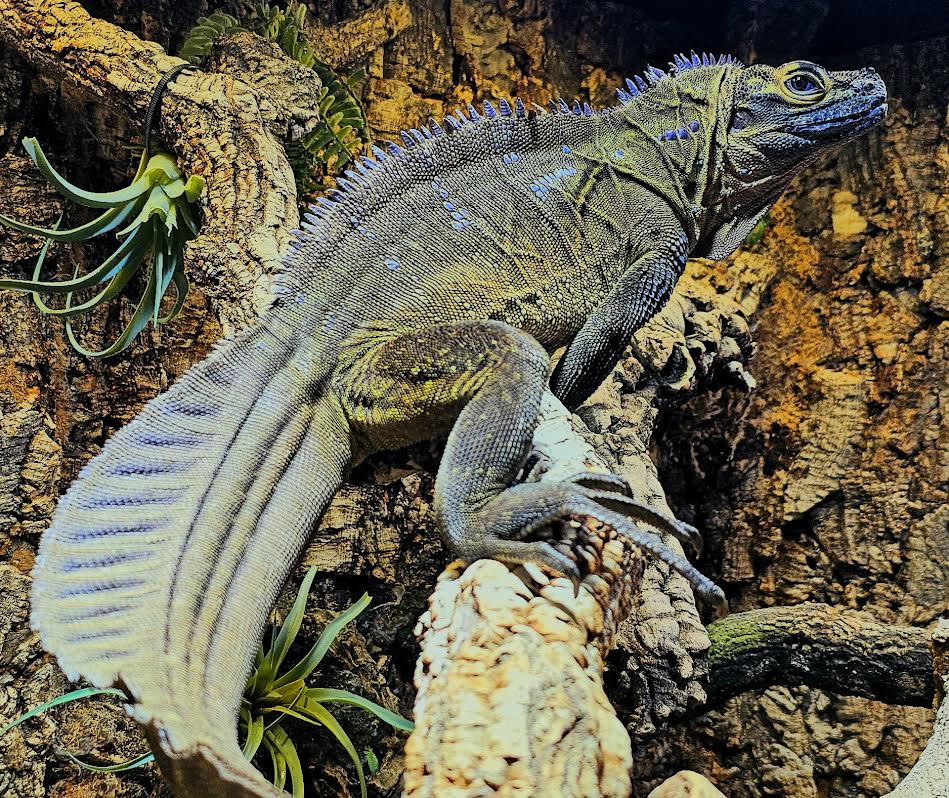
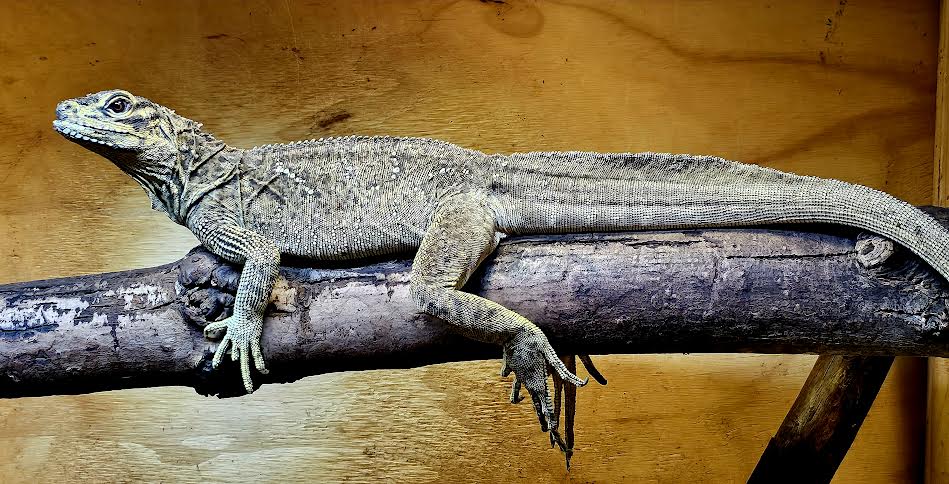
Appearance: The Philippine Blue Sailfin Dragon is one of the most striking agamids in the world, known for its vivid blues, greens, and turquoise tones—especially along the head, neck, and tall sail-like crest on the tail. Males exhibit the brightest colours and the most pronounced tail sail, which may appear electric blue in dominant individuals. The body is heavily built yet agile, with long toes, strong limbs, and keeled scales that enhance their aquatic capabilities. Females tend to have more subdued colouration and smaller crests.
Distribution: Endemic to the Philippines, particularly the islands of Luzon, Polillo, Mindoro, and surrounding regions.
Habitat: Blue Sailfin Dragons inhabit tropical river systems, mangroves, lakeshores, and forested waterways. They rely on dense vegetation, overhanging branches, and access to deep water for escape and thermoregulation. High humidity, heavy rainfall, and lush plant density define their natural environment.
Behaviour: These lizards are diurnal, semi-aquatic, and highly alert. They climb trees and shrubs along riverbanks, bask on branches, and dive into water when threatened. They are social within loosely formed groups and communicate through body posture, colouration changes, and visual signals. Their impressive speed—both on land and in water—makes them dynamic, active reptiles.
Captive Care
Enclosure: Provide a very large, vertically and horizontally spacious enclosure measuring at least 6 × 3 × 6 feet (180 × 90 × 180 cm) for one adult, with even larger custom enclosures strongly recommended for long-term care. This species requires abundant climbing structures, deep water access, and dense vegetation. Include thick branches, logs, large basking platforms, aquatic areas deep enough for full immersion, and sturdy plants. A soil–sand mixture or tropical soil blend works well for substrate, depending on setup style.
Temperature and Humidity:
Basking area: 110 to 115°F (43 to 46°C)
Warm side: 90 to 95°F (32 to 35°C)
Cool side: 75 to 82°F (24 to 28°C)
Night temperatures: 70 to 75°F (21 to 24°C)
Humidity: 70 to 90%, maintained through frequent misting and the presence of open water.
Lighting: Provide bright full-spectrum lighting with strong UVB (approximately 10–12%). High-intensity lighting is essential for their bone health, colour vibrancy, and overall metabolism. Pair UVB with plant lights to support live vegetation and natural daylight gradients.
Diet: Offer a varied omnivorous diet including insects (crickets, roaches, black soldier fly larvae, mealworms, superworms), leafy greens, fruits, aquatic snails, fish, and occasional pinky mice or eggs. Gut-load insect feeders and supplement with calcium routinely and multivitamins weekly. Juveniles require more insects, while adults benefit from increased plant and aquatic protein variety.
Behaviour in Captivity: Philippine Blue Sailfin Dragons are active, powerful, and visually impressive display reptiles. They appreciate large climbing spaces, deep water, and strong basking zones. While they can become accustomed to keepers, they generally prefer limited handling due to their skittish nature and speed. With stable conditions and enrichment, they exhibit social behaviours and bold colouration.
Special Considerations:
• Provide ample water volume for swimming and diving.
• Ensure extremely secure, high-strength enclosures—this species is strong and fast.
• Use basking platforms capable of supporting large adult males.
• Offer environmental enrichment through water currents, climbing routes, and dietary variety.
Taxonomy Note
The Philippine Blue Sailfin Dragon belongs to the genus Hydrosaurus, a group of large, semi-aquatic agamids found across Southeast Asia. Hydrosaurus pustulatus is one of the most visually vibrant species, historically confused with several closely related taxa before modern revisions clarified its distinct range and appearance.
Genetics Note
There are no recognised morphs for Hydrosaurus pustulatus. Natural variation occurs in blue intensity, crest height, and body tone depending on locality and lineage. These variations reflect natural diversity rather than selective breeding.