


Photo Disclaimer
Description
Texas Toad
Scientific Name: Anaxyrus speciosus
Common Name: Texas Toad
Species Overview
Size: Adults typically reach 2 to 3.5 inches (5 to 9 cm), with females often slightly larger and heavier-bodied than males.
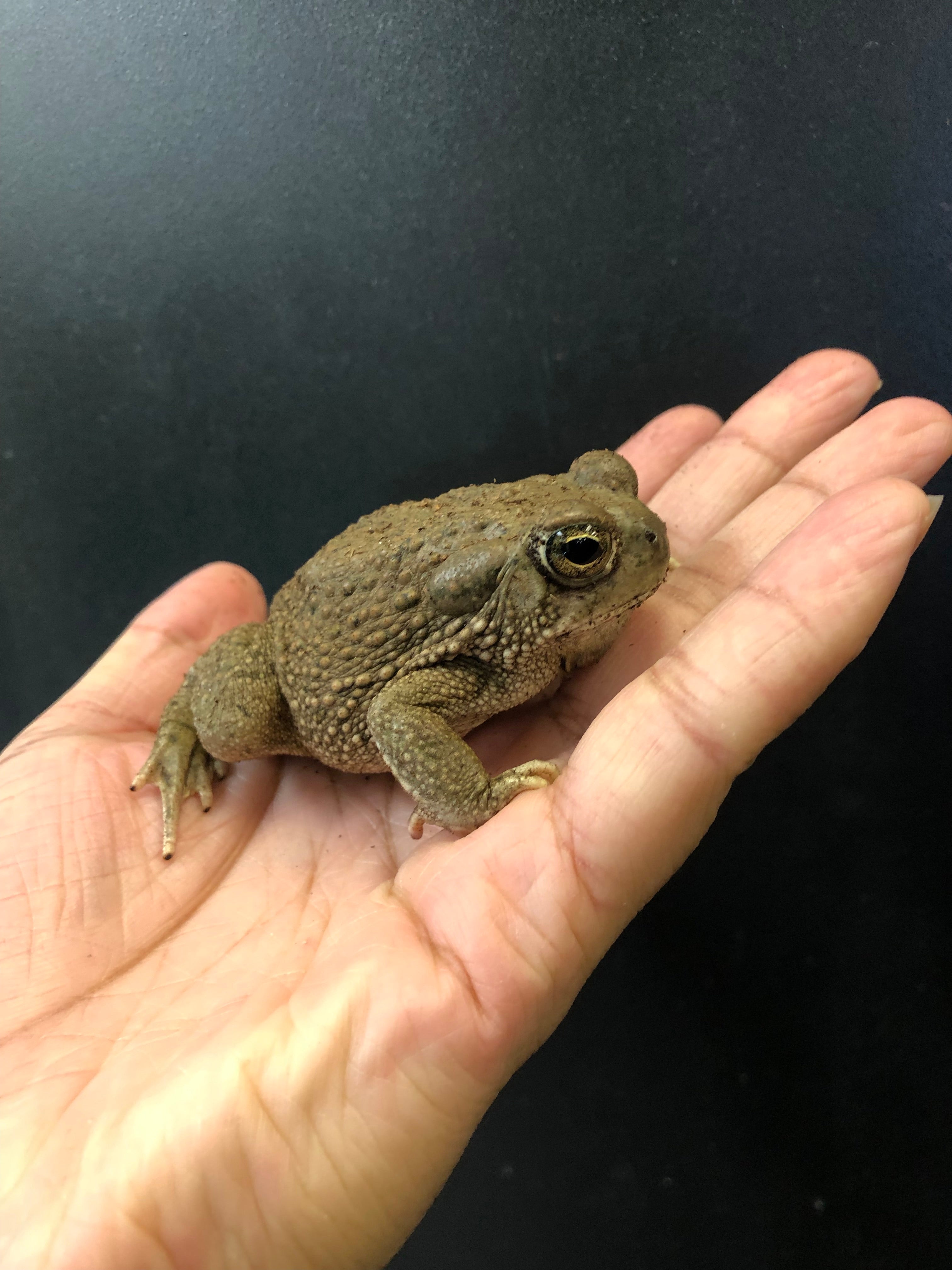
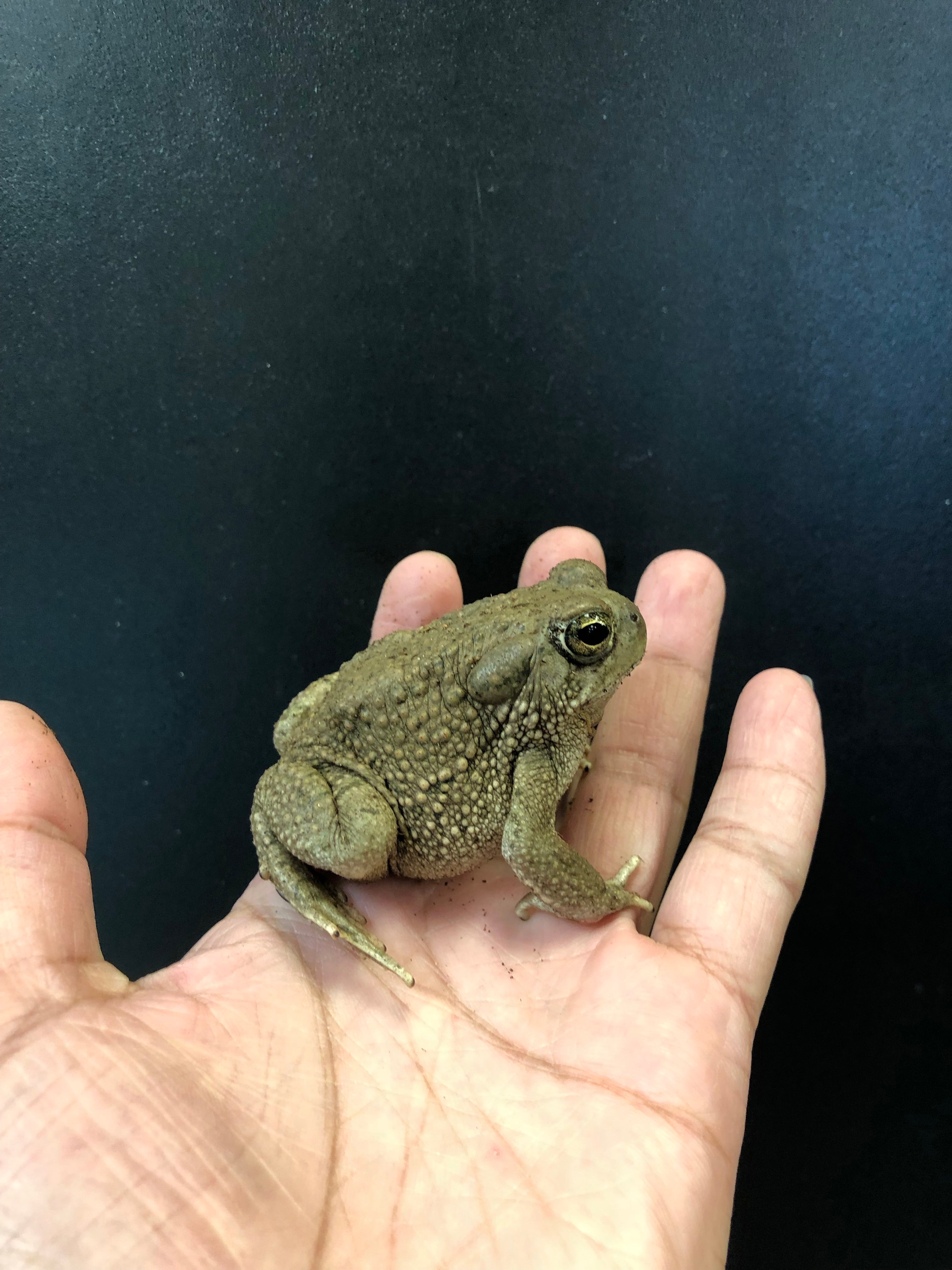
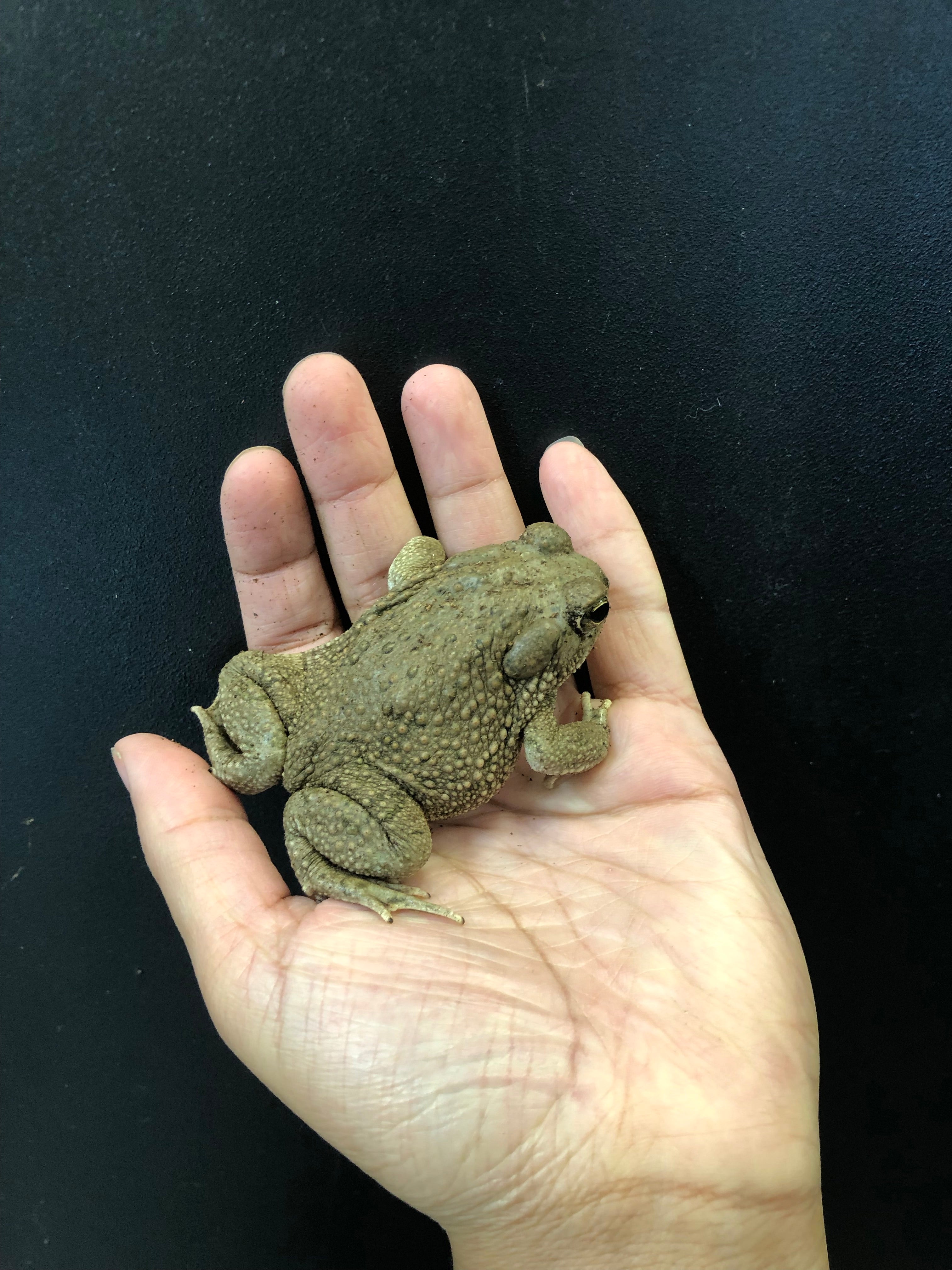
Appearance: The Texas Toad is a compact, sturdy species with granular skin and a mottled pattern of greys, browns, olives, or tans that blends well with sandy or loamy soils. A faint dorsal stripe may appear in some individuals, though it is not always present. Darker lateral patches often occur behind the eyes and along the flanks. The parotoid glands are rounded and moderately large. The underside is pale and may show faint speckling. Compared to similar species, Texas Toads have shorter snouts and a more rounded body profile.
Distribution: Native to the south-central United States, primarily Texas, Oklahoma, and New Mexico, with some extension into northern Mexico.
Habitat: Wild individuals inhabit sandy prairies, desert grasslands, shrublands, agricultural lands, and areas near seasonal rain pools. They are well adapted to semi-arid conditions and spend long periods burrowed in loose soil. In captivity, they require a warm terrestrial enclosure with deep, diggable substrate.
Behaviour: Primarily nocturnal, Texas Toads emerge after dusk to forage actively. They burrow quickly when disturbed and rely on camouflage for protection. They are solitary and may display territorial behaviour if overcrowded. Their movement includes short hops and strong digging motions.
Captive Care
Enclosure: A single adult can be housed in an 18 × 18 × 18 inches (45 × 45 × 45 cm) enclosure. Provide deep, slightly moist soil or a soil–sand substrate mix to allow natural burrowing behaviour. Add leaf litter, cork flats, small logs, and hardy plants to create hiding spots and shaded retreats. Include a shallow water dish for soaking. For multiple individuals, upgrading to 24 × 18 × 18 inches (60 × 45 × 45 cm) helps ease territorial tension.
Temperature and Humidity:
Ambient temperature: 75 to 84°F (24 to 29°C)
Warm area: 86 to 90°F (30 to 32°C)
Night temperature: 65 to 72°F (18 to 22°C)
Humidity: 40 to 60%, with occasional misting. Allow substantial drying between misting cycles to mimic their natural environment.
Lighting: Provide low-level UVB (2 to 5%) with diffused lighting. Maintain a natural day and night cycle. Ensure shaded areas are available to prevent stress from bright illumination.
Diet: Offer a varied insectivorous diet including crickets, roaches, worms, black soldier fly larvae, and other suitable invertebrates. Supplement prey with calcium and vitamins. Juveniles require frequent feeding; adults should be fed moderately to maintain healthy weight.
Behaviour in Captivity: Texas Toads are hardy and acclimate well when kept warm and provided with deep substrate. They spend much of the day underground and become active nocturnal feeders. Handling should be minimal due to their sensitive skin and mild defensive toxins.
Genetics Note
There are no recognised morphs for the Texas Toad. Natural variation occurs in dorsal tone, mottling intensity, and the presence or absence of a dorsal stripe, but these differences reflect individual and locality-based variation rather than genetic morphs.