


Photo Disclaimer
Description
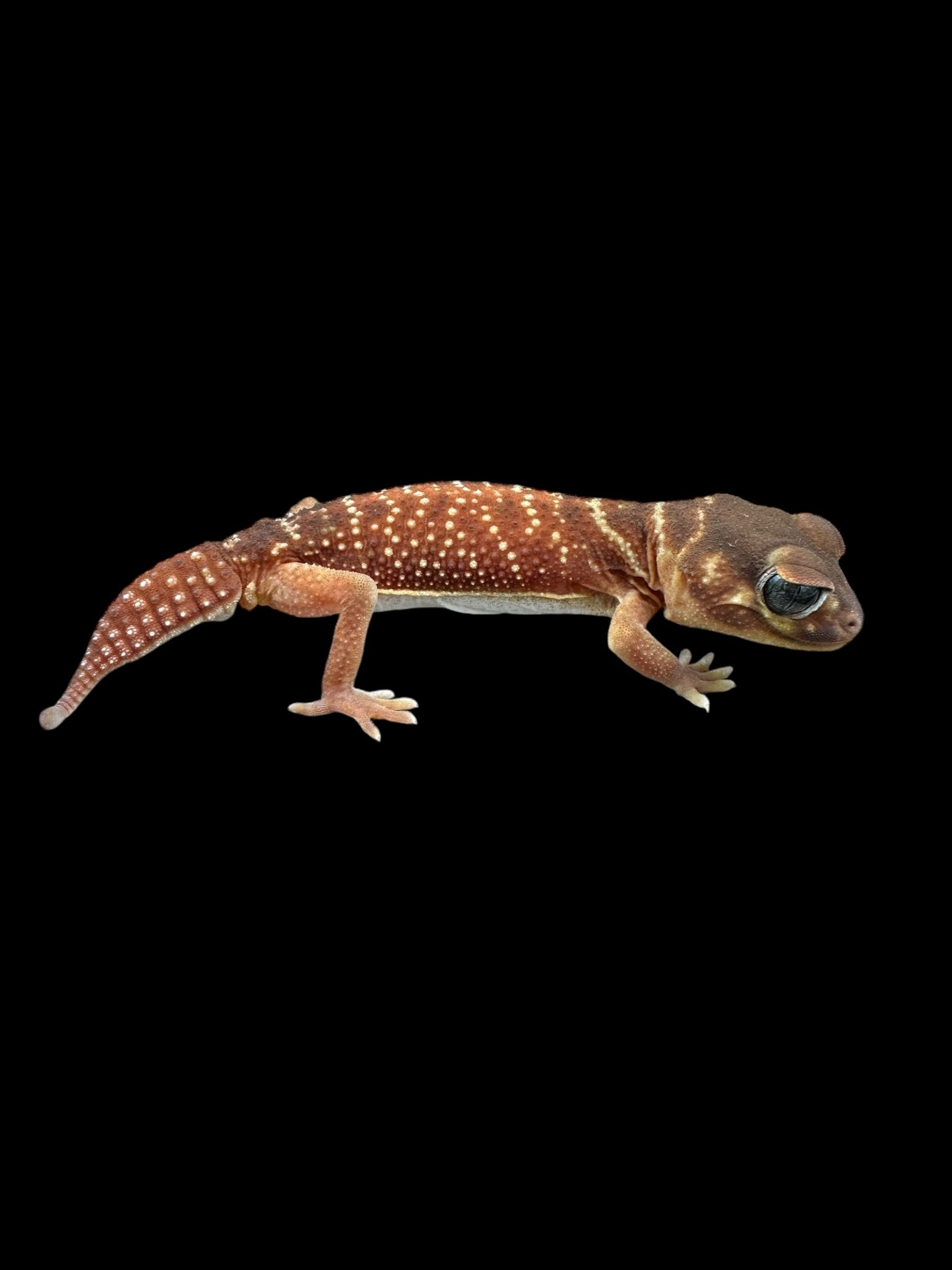
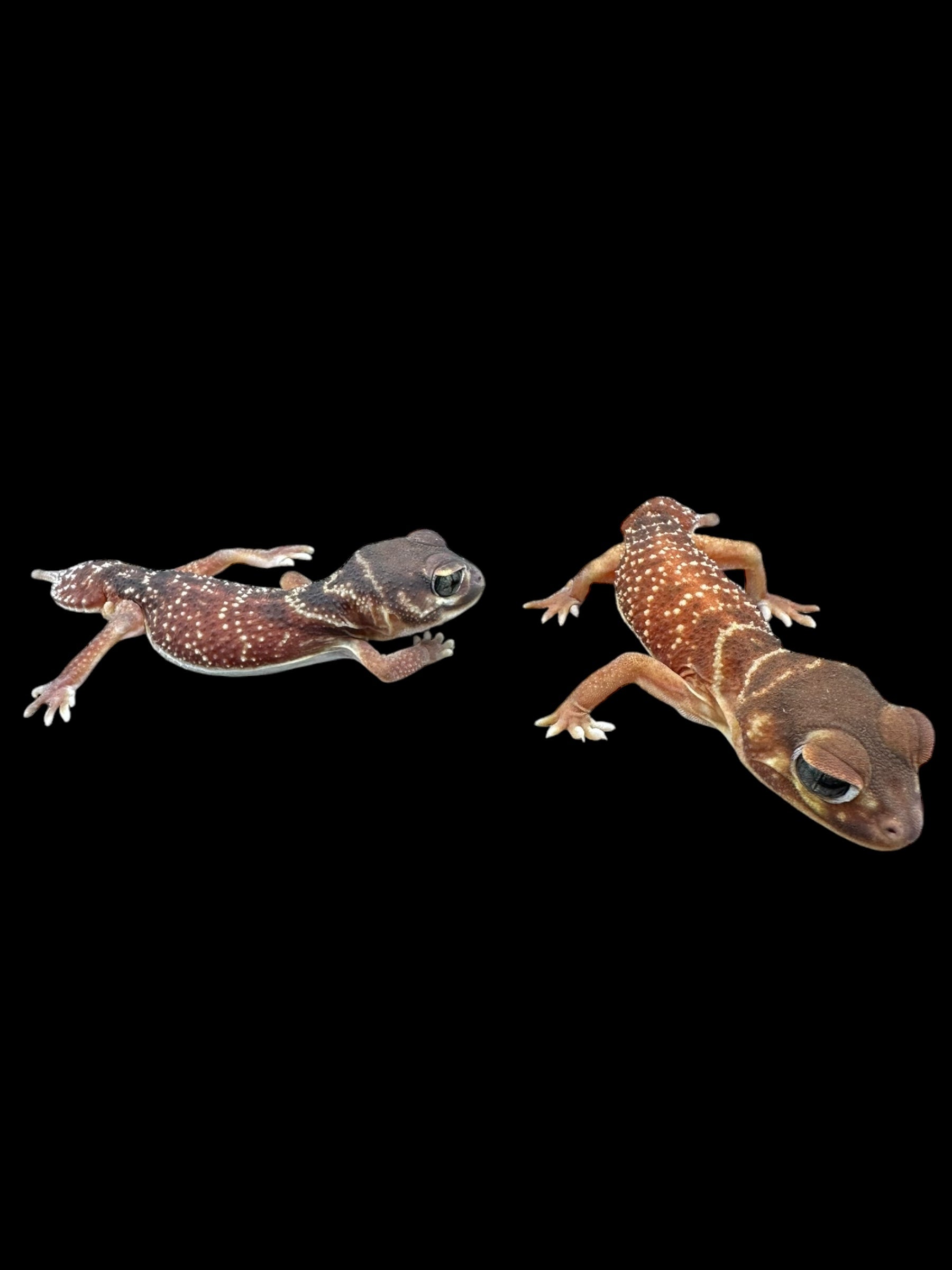
Three-lined Knob-tail Gecko (Nephrurus levis levis)
Scientific Name: Nephrurus levis levis
Common Name: Three-lined Knob-tail Gecko
Species Overview
Size: Adults typically reach 4.5 to 5.5 inches (11 to 14 cm) in total length, with a compact body and the characteristic rounded “knob” tail.
Appearance: The Three-lined Knob-tail Gecko features a smooth, velvety skin texture with earthy colours ranging from sandy beige to reddish brown. True to its name, many individuals display three faint longitudinal lines or stripes along the back, often broken or subtle depending on locality. The head is slightly rounded with prominent eyes and a short snout. The tail is short, bulbous, and tipped with a distinctive knob. Their overall appearance reflects their adaptation to arid Australian environments.
Distribution: Native to Australia, primarily across central and western arid regions.
Habitat: This species inhabits sandy deserts, spinifex grasslands, and semi-arid scrublands. They retreat into shallow burrows or under vegetation during the day. In captivity, they thrive in spacious, arid enclosures with loose substrate and warm microclimates.
Behaviour: Three-lined Knob-tails are nocturnal and highly inquisitive. They explore actively at night and may display tail-wagging or defensive posturing when startled. They are calmer than some other Nephrurus species but still best suited as display animals due to their delicate skin and burrowing nature.
Captive Care
Enclosure: A terrestrial enclosure measuring at least 24 inches × 18 inches × 24 inches (60 × 45 × 60 cm) is recommended for an adult or pair. Provide several inches of loose sand or a sand–soil blend for burrowing, along with flat rocks, small branches, artificial or natural hides, and sparse desert décor to mimic arid habitat structure.
Temperature & Humidity: Maintain a warm side of 88 to 92°F (31 to 33°C) with a cooler end of 75 to 80°F (24 to 27°C). Night temperatures can drop to 70 to 74°F (21 to 23°C). Humidity should remain low at 20 to 40%, with a single humid hide provided to aid shedding.
Lighting: Provide a bright day-night cycle with low UVB (2 to 5%) for 10 to 12 hours daily. Although nocturnal, they benefit from mild UV exposure and clear photoperiod structure.
Diet: Offer a varied insect diet including crickets, roaches, silkworms, mealworms, and occasional waxworms. Juveniles should be fed daily, while adults can be fed every 2 to 3 days. All prey must be gut-loaded and dusted with calcium and multivitamins. Fresh water can be offered in a shallow dish.
Behaviour in Captivity: Once settled, these geckos exhibit bold nighttime activity and will readily forage. They make use of burrows and surface structures and display natural curiosity. They often show their unique tail movements when interacting with their environment.
Special Considerations: Their skin is delicate, and handling should be minimal. Ensure the enclosure remains dry and warm, as excess humidity can lead to skin or respiratory issues. Provide secure hides to reduce stress.
Taxonomy Note
The Three-lined Knob-tail Gecko is a subspecies of Nephrurus levis, a group of Australian geckos known for their knobbed tails, nocturnal habits, and preference for arid habitats. N. l. levis is recognised for its subtle dorsal striping and relatively calm disposition compared to some related species.
Genetics Note
There are no recognised morphs or selectively bred variants of the Three-lined Knob-tail Gecko. Light variations in tone and dorsal line definition occur naturally between populations but are not considered formal morphs.