
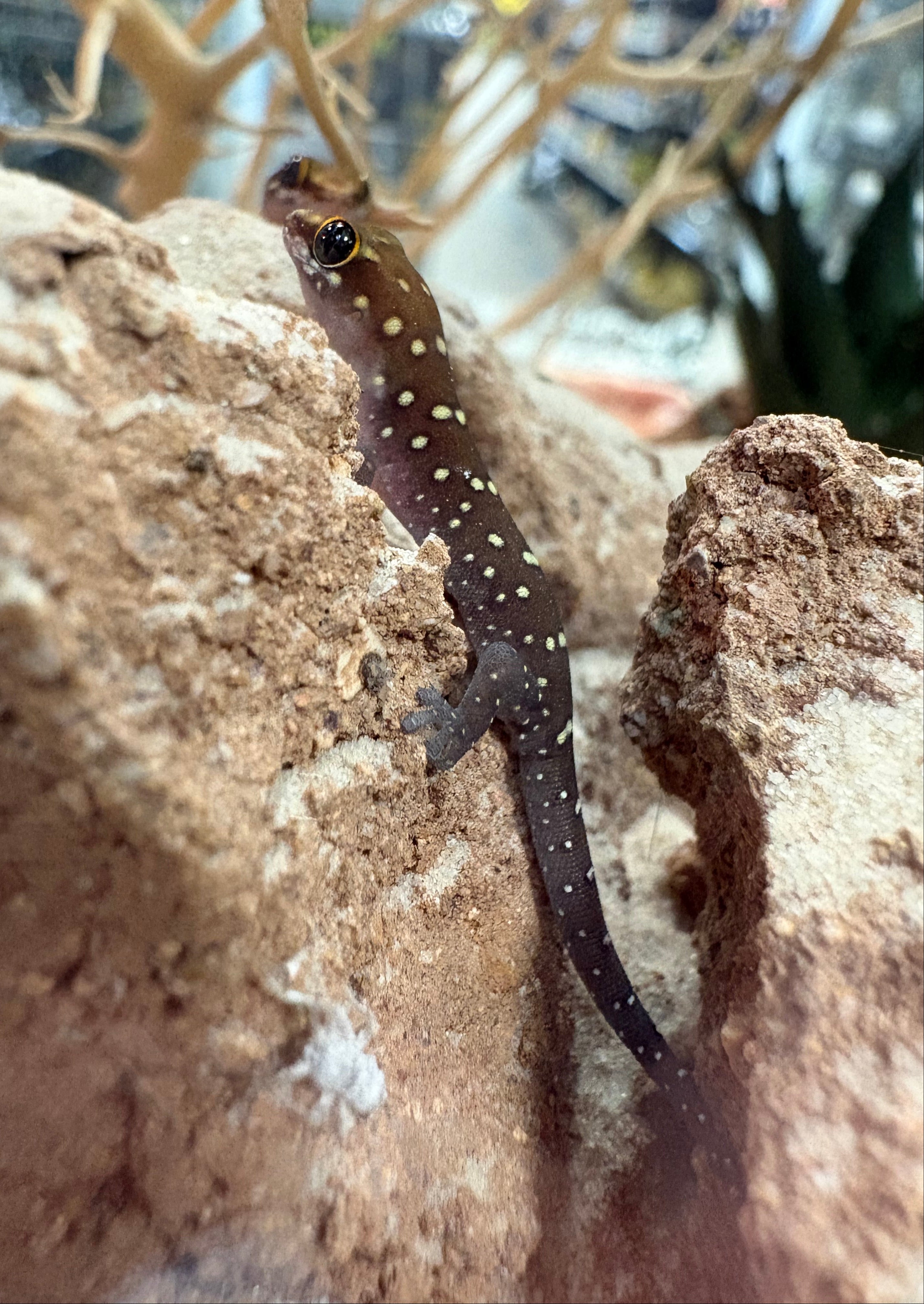
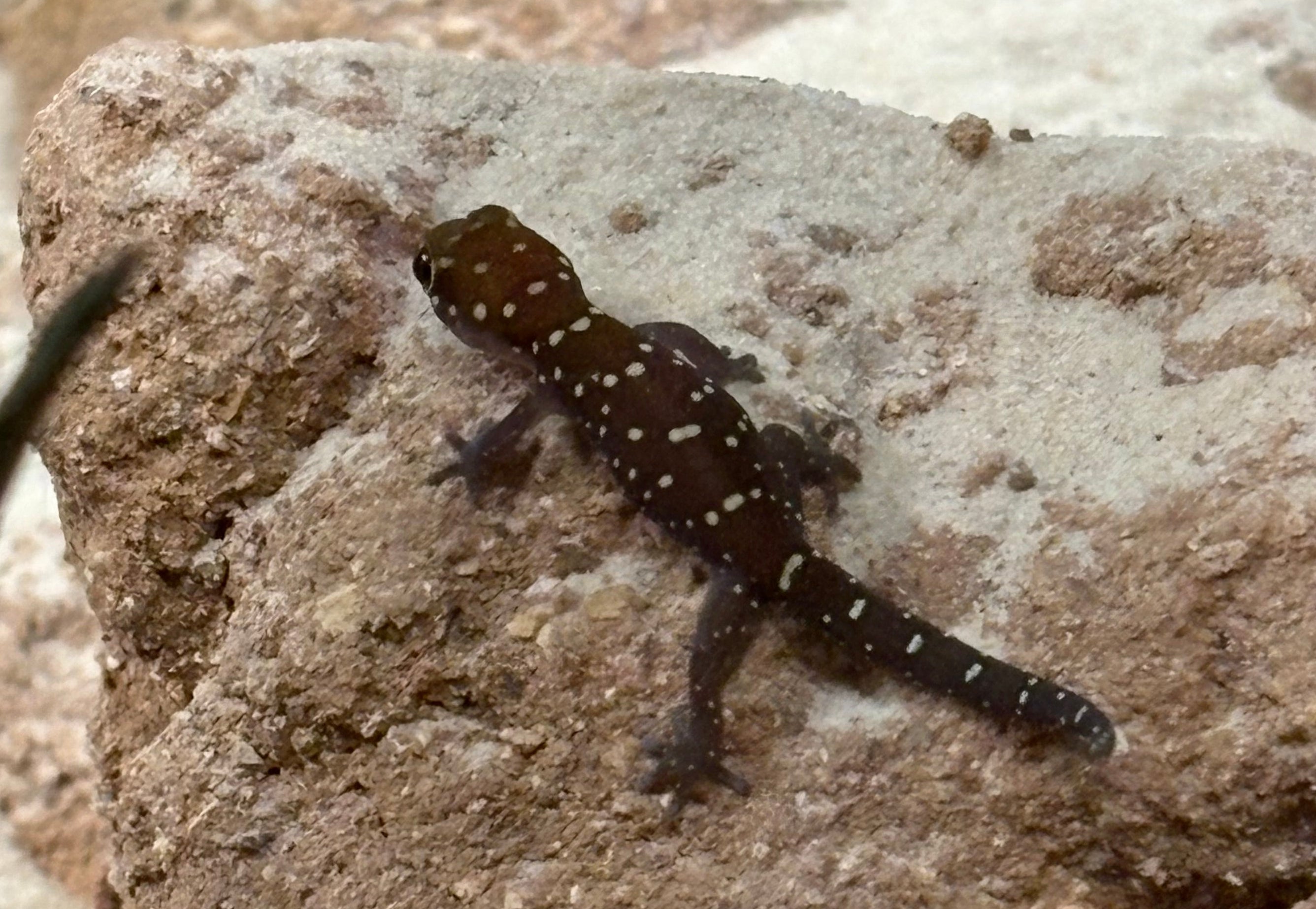
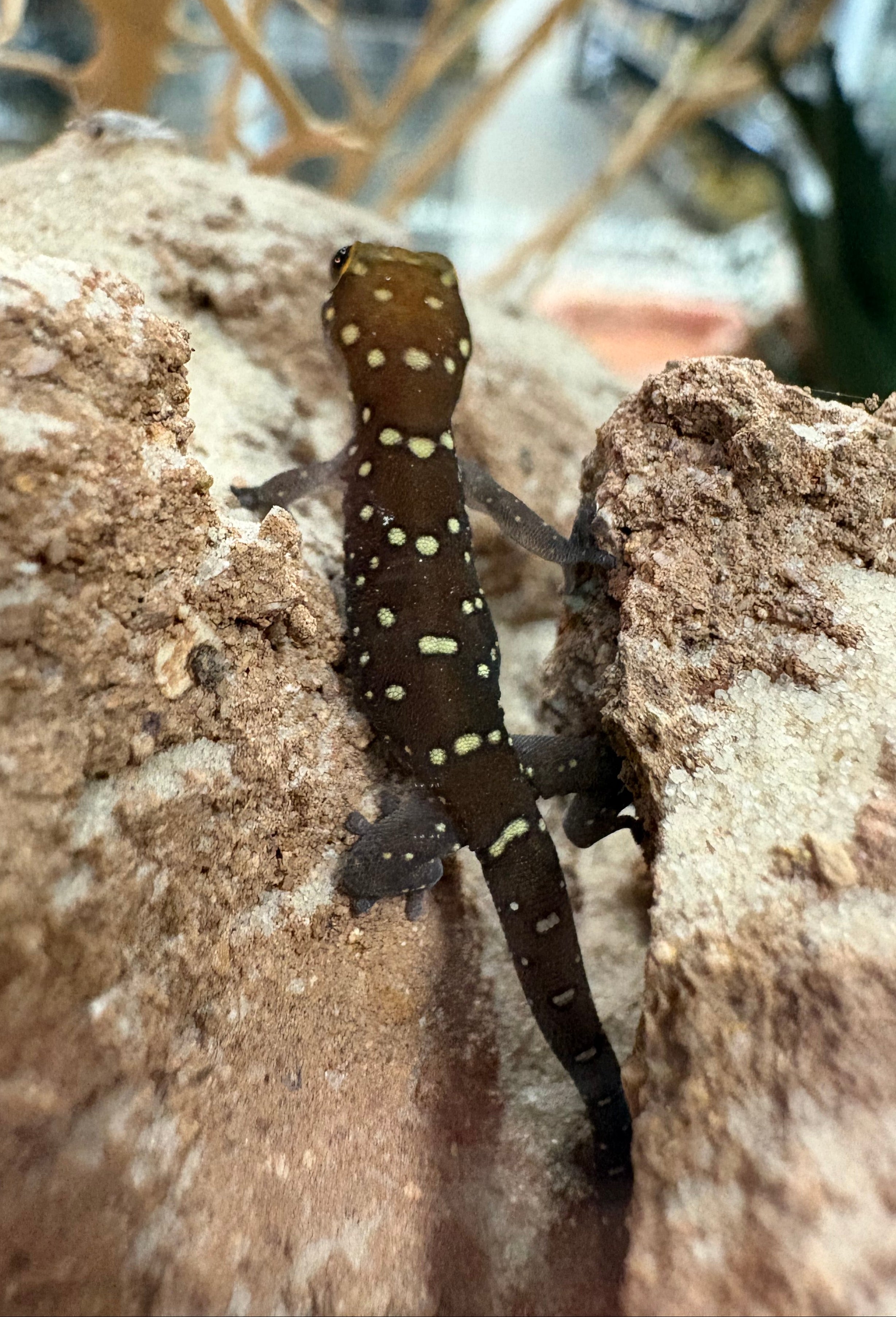
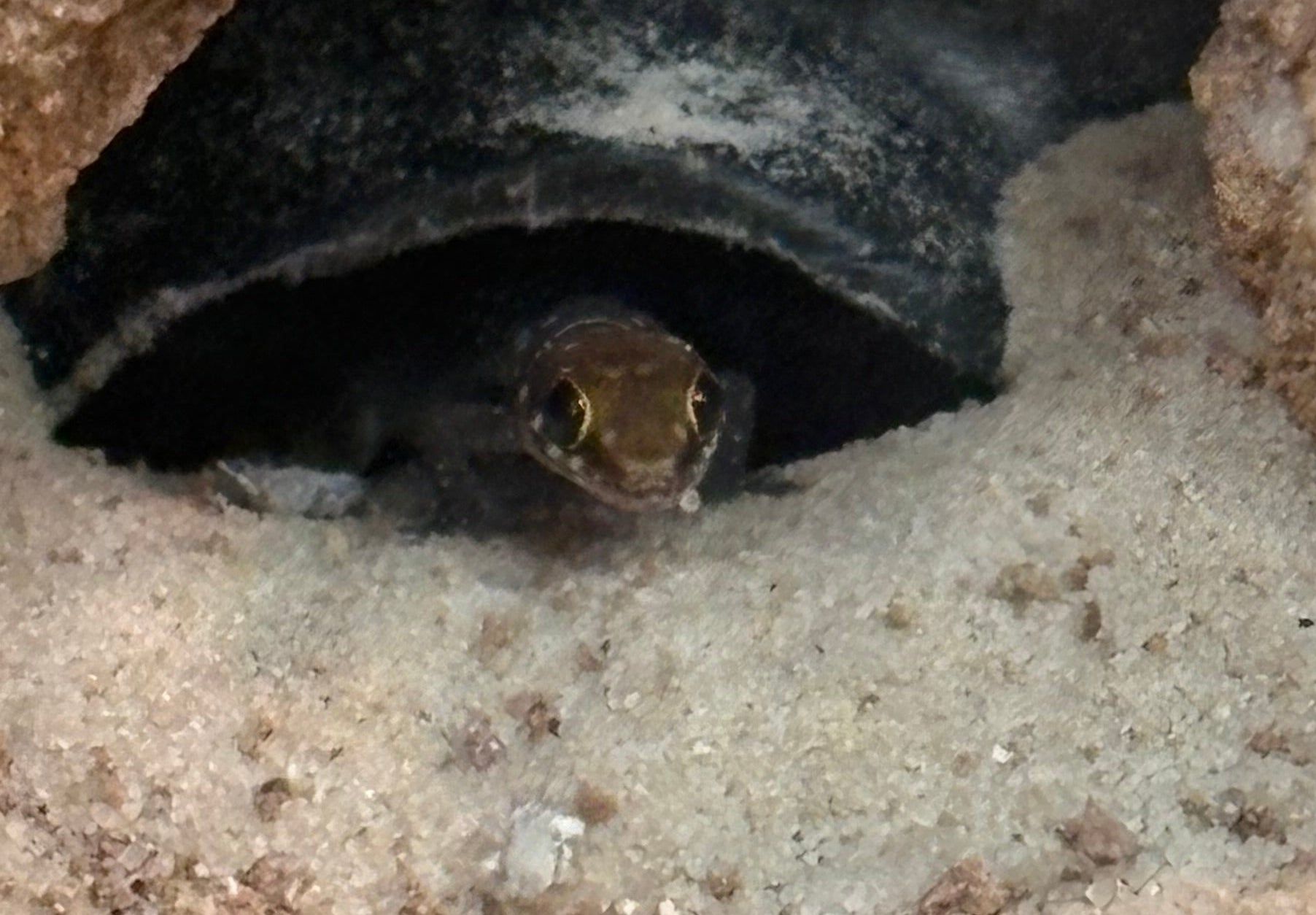


Photo Disclaimer
Description
Tiger Thick-toed Gecko
Scientific Name: Pachydactylus tigrinus
Common Name: Tiger Thick-toed Gecko, African Tiger Gecko
Species Overview
Size: This gecko has a snout to vent length of roughly 2 inches.
Appearance:
Distribution: Found throughout Zimbabwe, Botswana, and Mozambique
Habitat: Rock living species, finds shelter in granite and sandstone outcroppings.
Behaviour:
Captive Care
Enclosure:
Temperature & Humidity: Ambient: 80F Basking: 100F. Heat can be provided by undertank heat mat or overhead Mist the enclosure roughly twice a week.
Lighting: Not necessary.
Diet: Small insects fed nightly.
Behaviour in Captivity: While they can climb glass they are primarily terrestrial, preferring to hide in the crevices between rocks and in burrows. Stacks of shale or loose piles of clay 'boulders' are essential for well being, but be sure to have it all well built and secure to prevent crushing from falling objects.
Special Considerations:
Sand: Addressing Concerns and Misconceptions
A fine compacted soil or soil-sand substrate is essential for this species, and may become stressed if kept on non-burrowing surfaces. When kept correctly with proper humidity and feeding practices, the risk of impaction is minimal.
Taxonomy Note
The Tiger Thick-toed Gecko (Pachydactylus tigrinus) belongs to the family Gekkonidae, one of the most diverse reptile families globally.
Genetics Note
There are currently no recognized colour morphs or genetic variations of the Tiger Thick-toed Gecko in the pet trade. However, natural variation occurs between populations, with some individuals showing lighter or more reddish-brown tones. These differences are typically environmental or locality-based rather than genetic.
Estimate shipping