


Photo Disclaimer
Description
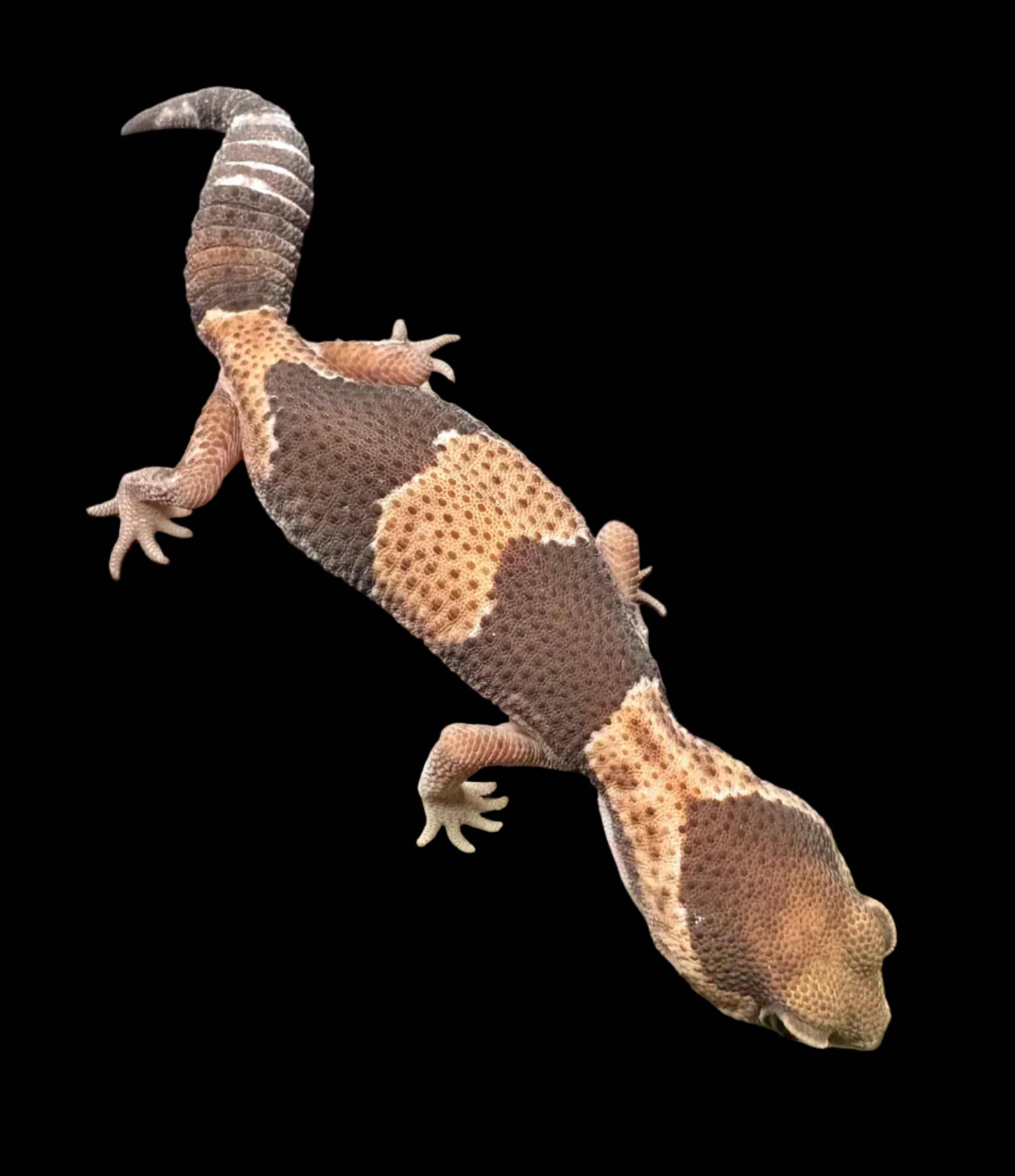
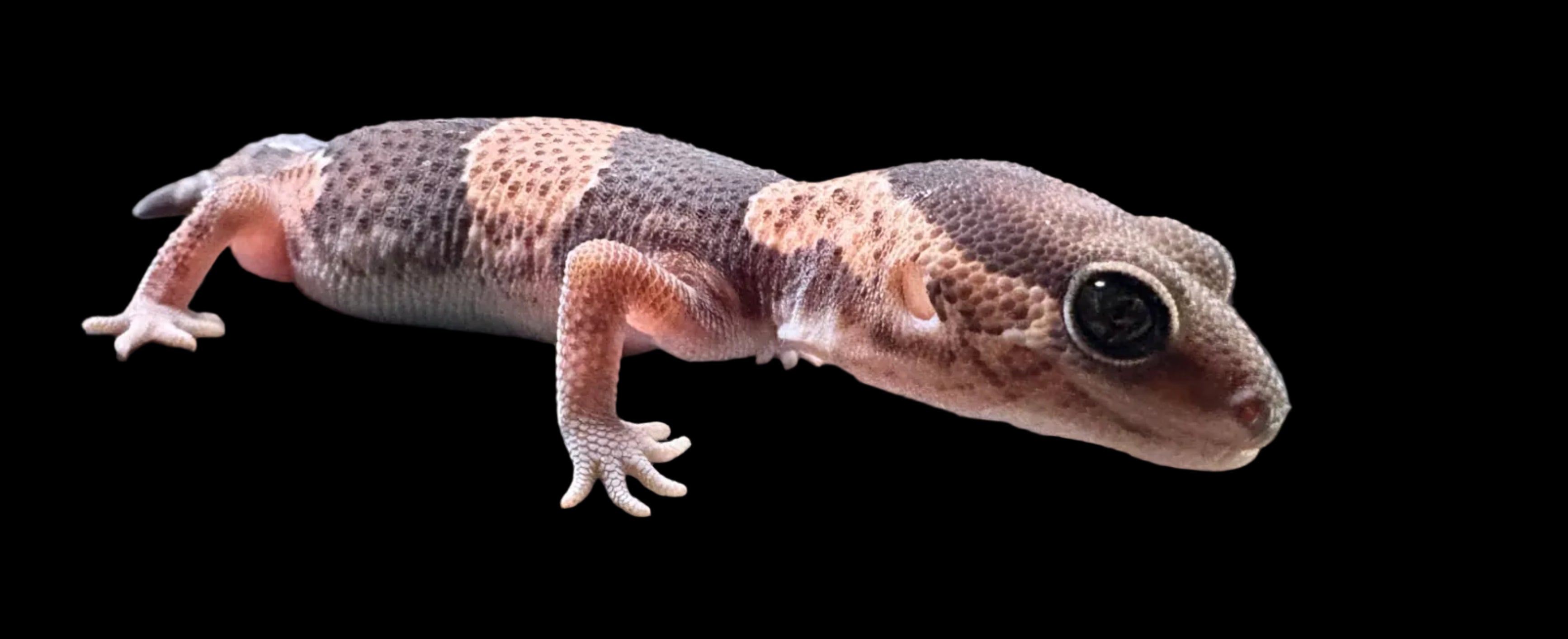
African Fat-tailed Gecko (Normal het. Oreo Zulu Patternless)
Scientific Name: Hemitheconyx caudicinctus
Common Name: African Fat-tailed Gecko
Species Overview
Size: Adult African Fat-tailed Geckos typically reach 7–8 inches (18–20 cm) in length, with males being slightly larger and heavier. Their thick tails act as nutrient reserves, storing fat and water that help maintain energy and hydration.
Appearance:
Distribution: Native to West Africa, including Senegal, Ghana, Togo, Benin, and Nigeria, where they occupy dry grasslands, rocky slopes, and semi-arid scrublands.
Habitat: In the wild, African Fat-tailed Geckos spend daylight hours sheltered in burrows or beneath rocks to avoid extreme heat. In captivity, they thrive in naturalistic terrariums featuring compacted soil-sand substrates, moderate humidity, and multiple hides that replicate their natural shelters.
Behaviour: Ghost Jungle geckos are calm, nocturnal, and deliberate in movement. They adapt well to captivity and are tolerant of regular handling, making them ideal for both display and breeding projects.
Captive Care
Enclosure: Provide a minimum enclosure of 24 inches × 18 inches × 12 inches (60 × 45 × 30 cm) for a single adult. Naturalistic enclosures using compact soil-sand-clay mixtures promote burrowing and humidity control. For juveniles or quarantine setups, reptile carpet, tile, or paper towel can be used for ease of cleaning and safety. Offer at least three hides—one warm, one cool, and one humid—to support shedding and temperature regulation.
Temperature & Humidity: Maintain a warm-side surface temperature of 88–92°F (31–33°C) and a cool side around 75–80°F (24–27°C). Nighttime temperatures can safely drop to 70–74°F (21–23°C). Keep humidity between 50–70%, providing a moist hide for proper shedding.
Lighting: While UVB lighting (2–5%) is not mandatory, it benefits overall activity and calcium metabolism. Maintain a consistent 12-hour day/night light cycle.
Diet: Feed a varied diet of gut-loaded crickets, dubia roaches, mealworms, and silkworms. Dust feeders with calcium and multivitamin supplements on a regular schedule. Juveniles should be fed daily, while adults can be fed every 2–3 days.
Behaviour in Captivity: These geckos are calm, easy to manage, and display consistent feeding behaviour. Their steady temperament makes them an excellent choice for keepers looking for a reliable, visually appealing morph.
Special Considerations: Always use thermostats to regulate heat sources and prevent burns. Monitor tail thickness as an indicator of health and nutrient balance.
Sand: Addressing Concerns and Misconceptions
Sand has been debated due to impaction risks. When used correctly as part of a compact soil-sand mixture and maintained with proper temperature, hydration, and nutrition, it poses minimal concern. Most issues arise from loose or calcium-based sands used under poor husbandry conditions. For hatchlings, juveniles, or new arrivals, reptile carpet, tile, or paper towel are safer choices until fully established.
Taxonomy Note
The African Fat-tailed Gecko (Hemitheconyx caudicinctus) is a member of the Eublepharidae family, which includes eyelid geckos such as the Leopard Gecko (Eublepharis macularius). These geckos have functional eyelids and lack adhesive toe pads, making them fully terrestrial. The species is taxonomically stable, showing mild regional variation across West Africa.
Genetics Note