


Photo Disclaimer
Description
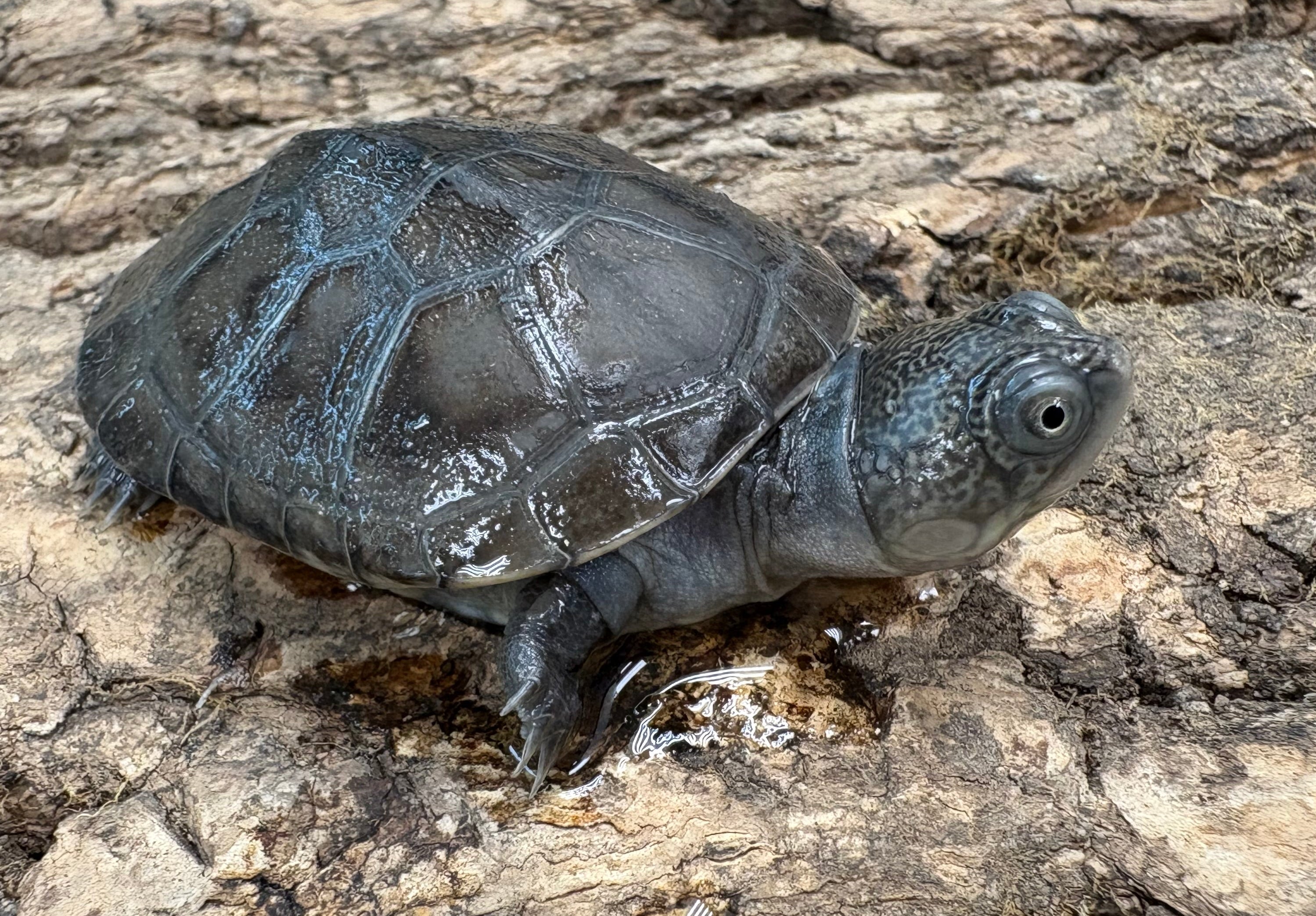
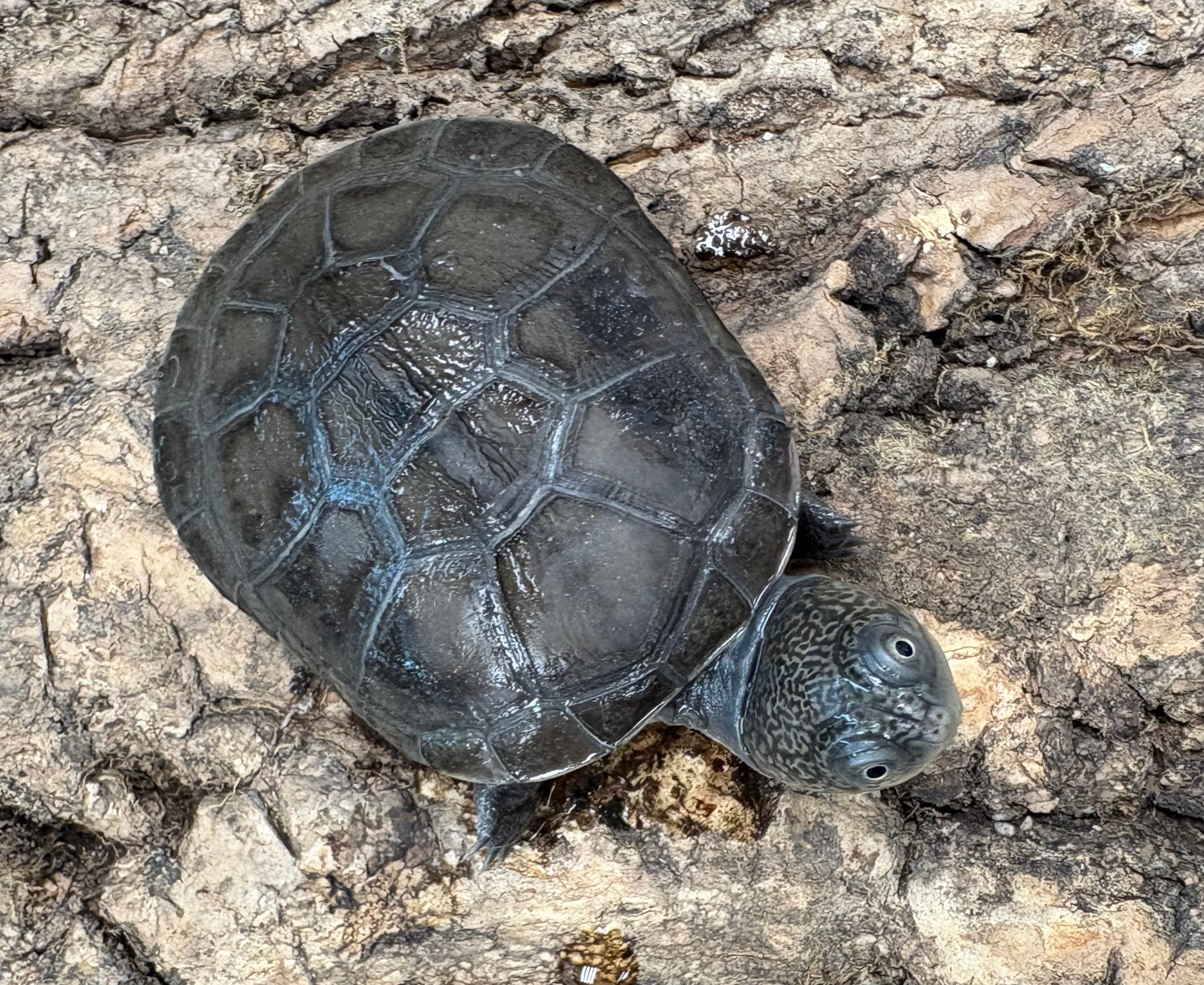
African Helmeted Turtle
Scientific Name: Pelomedusa subrufa
Common Name: African Helmeted Turtle, Helmeted Terrapin
Species Overview
Size: Males typically reach 4 to 6 inches (10 to 15 cm) in shell length, while females grow larger at 6 to 8 inches (15 to 20 cm).
Appearance: The African Helmeted Turtle has a smooth, oval carapace ranging from olive to dark brown, often appearing slightly flattened. The plastron is pale yellow to tan with minimal markings. The head is broad with a short snout, and the skin varies from grey to brown with subtle speckling. This species lacks webbing between the hind toes, creating a distinctive look among aquatic turtles.
Distribution: Widespread across sub-Saharan Africa and parts of Madagascar, inhabiting seasonal pools, marshes, and permanent freshwater bodies.
Habitat: Wild African Helmeted Turtles live in slow-moving or still water such as ponds, marshes, ephemeral pools, and shallow lakes. They tolerate fluctuating conditions and may burrow into mud to aestivate during dry seasons.
Behaviour: These turtles are bold, opportunistic omnivores that swim well, bask frequently, and explore shallow margins. In the wild they scavenge, hunt small prey, and readily exploit temporary food sources. Their burrowing behaviour makes them resilient in changing climates.
Captive Care
Enclosure: Provide an aquatic enclosure with a minimum footprint of 48 × 18 inches (120 × 45 cm). Water depth should be at least 10 to 12 inches (25 to 30 cm), with deeper sections encouraged. Include a secure basking area, submerged structures, floating logs, and visual barriers. Strong filtration is essential due to high waste output.
Temperature and Humidity:
Water temperature: 75 to 80°F (24 to 27°C)
Basking area: 90 to 95°F (32 to 35°C)
Ambient air temperature: 78 to 85°F (26 to 29°C)
Lighting: Provide strong full-spectrum lighting with 10–12% UVB to support shell and bone health. A focused basking spot is required, and the enclosure should include both bright and shaded areas while maintaining a natural day–night cycle.
Diet: Offer a varied omnivorous diet including insects, earthworms, commercial turtle pellets, freshwater fish, shrimp, snails, leafy greens, and aquatic plants. Avoid excessive fatty foods and maintain balanced nutrition to prevent obesity.
Behaviour in Captivity: African Helmeted Turtles are active, alert, and often interactive with keepers. They adjust well when given clean water, strong filtration, and consistent basking opportunities. They may rearrange décor and experience seasonal appetite changes.
Special Considerations
• Very hardy when provided with clean, warm water.
• Strong feeders; portion control is important.
• Known escape artists; secure lids are essential.
• High waste production requires oversized filtration.
Taxonomy Note
The African Helmeted Turtle belongs to Pelomedusidae, the African side-necked turtle family. Although historically considered a single species, Pelomedusa subrufa likely encompasses several regional genetic lineages. The commonly kept form remains under this name.
Genetics Note
There are no recognised morphs for the African Helmeted Turtle. Variations in shell tone, skin pigmentation, and facial markings represent natural species diversity rather than selective breeding.
Estimate shipping