


Photo Disclaimer
Description
Australian Helmeted Gecko
Scientific Name: Diplodactylus galeatus
Common Name: Australian Helmeted Gecko, Helmeted Gecko
Species Overview
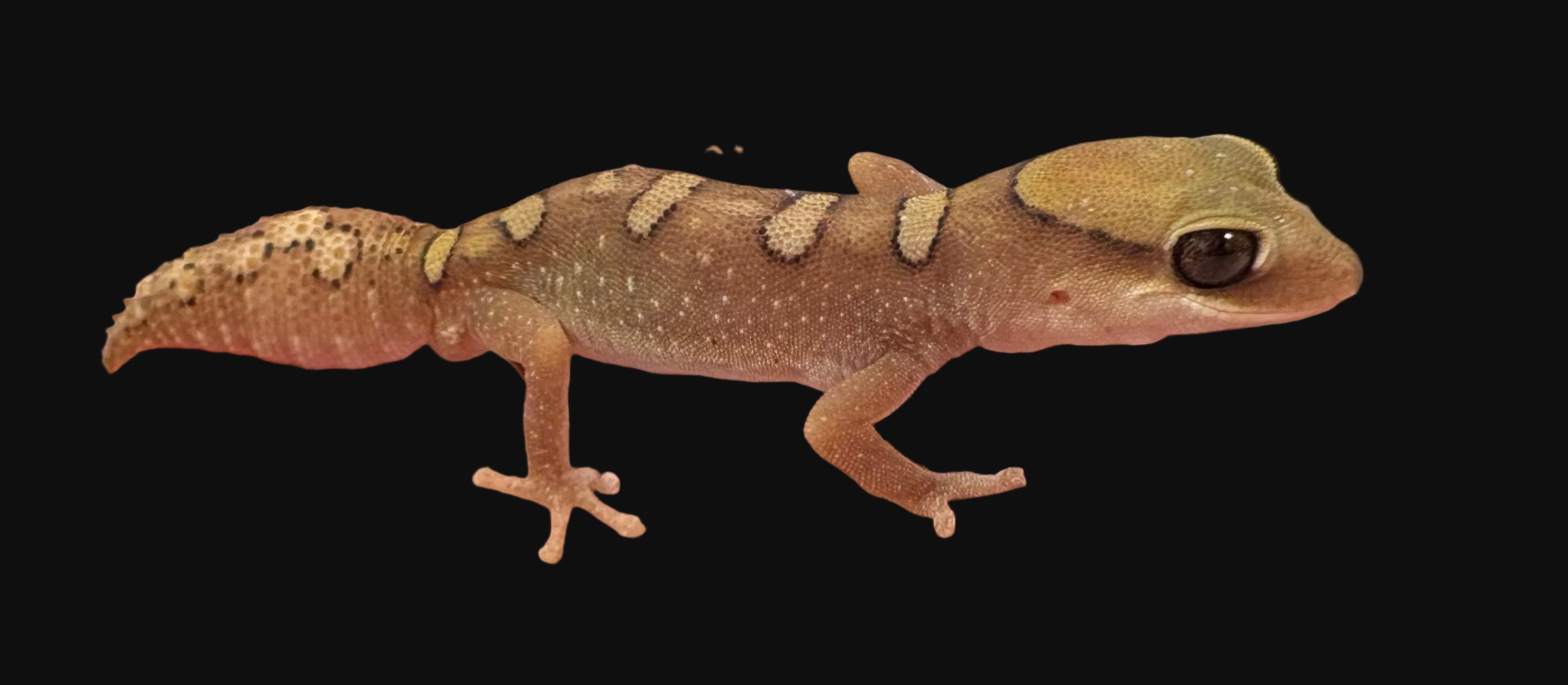
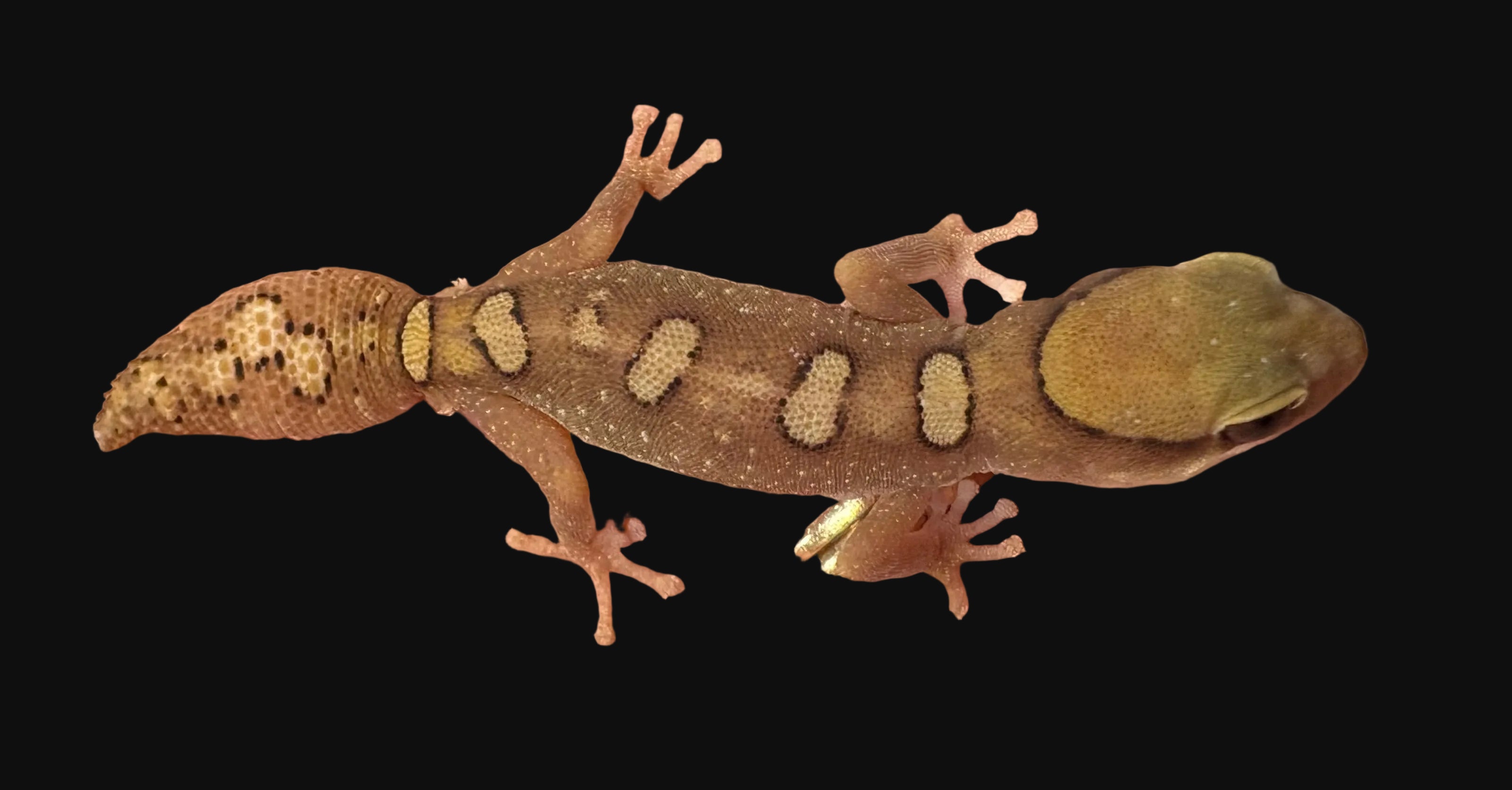
Size: Adult Geckos typically reach 3.5–4.5 inches (9–11 cm) in total length, making them a compact and manageable desert species. They have short, broad bodies, wide heads, and large expressive eyes that contribute to their endearing appearance.
Appearance: The Gecko has a distinctively flattened, angular head resembling a small helmet—hence its name. Its body colour ranges from sandy beige to warm brown or grey, often patterned with irregular mottling and subtle banding for desert camouflage. The large lidless eyes are copper or golden in tone with vertical pupils, and the granular skin has a slightly rough texture. The tail is short and plump, serving as a fat reserve. Unlike most geckos, this species lacks pronounced toe pads, relying instead on small claws for traction on sandy or rocky terrain.
Distribution: Native to the northwestern coast of Africa, primarily Morocco, Western Sahara, and Mauritania, where it inhabits arid coastal dunes and semi-desert regions.
Habitat: In the wild, Geckos are found among rocky outcrops, dunes, and sparse vegetation near coastal areas. They spend the day hidden in burrows or beneath rocks, emerging at night to hunt small invertebrates. In captivity, they thrive in warm, semi-arid setups that mimic their natural desert environment.
Behaviour: Geckos are nocturnal, ground-dwelling, and generally calm. They move slowly and deliberately, often lifting their bodies slightly off the ground when alert. They are shy at first but can become confident with consistent, gentle care. Their curious demeanor and unique look make them a prized species for keepers who appreciate naturalistic desert reptiles.
Captive Care
Enclosure: Provide a terrestrial enclosure measuring at least 18 inches × 18 inches × 12 inches (45 × 45 × 30 cm) for a pair or single adult. Use a compact sand-soil mix or clay-based substrate that holds burrows while maintaining low to moderate humidity. Include flat rocks, cork bark, and artificial burrows for hiding.
Temperature & Humidity: Maintain a basking area of 88–92°F (31–33°C) with an ambient temperature around 75–82°F (24–28°C). Nighttime temperatures can safely drop to 68–72°F (20–22°C). Keep humidity between 40–60%, with a slightly damp hide provided to assist with shedding. Spray the tank three times a week to provide moisture, which they will lick to obtain hydration.
Lighting: Provide low to moderate UVB lighting (2–5%) on a 12-hour day/night cycle. Though nocturnal, Geckos benefit from mild UV exposure for calcium metabolism and a natural day/night rhythm. Females especially need UVB to properly metabolize calcium, whether or not they are laying.
Diet: Feed a variety of gut-loaded insects such as crickets, roaches, and small mealworms. Offer the occasional waxworm or soldier fly larva as a treat. Dust prey with calcium and multivitamin supplements regularly. Feed juveniles daily and adults every 2–3 days.
Behaviour in Captivity: These geckos are hardy, calm, and adapt well to captivity when given secure hiding spaces. They are excellent display animals and can be observed exploring or hunting after dusk. With proper care, Geckos can live 8–10 years in captivity.
Special Considerations: Avoid excessive humidity or waterlogging, as this species is adapted to arid conditions. Always regulate heat sources with a thermostat and provide several hides across the thermal gradient to promote natural thermoregulation.
Taxonomy Note
Genetics Note
There are currently no recognized morphs or selectively bred variants of Diplodactylus galeatus . However, natural variation occurs across its range, with individuals from different regions displaying slightly different tones—from pale sandy beige to darker brown. These variations are environmental rather than genetic morphs.
Estimate shipping