

Photo Disclaimer
Description
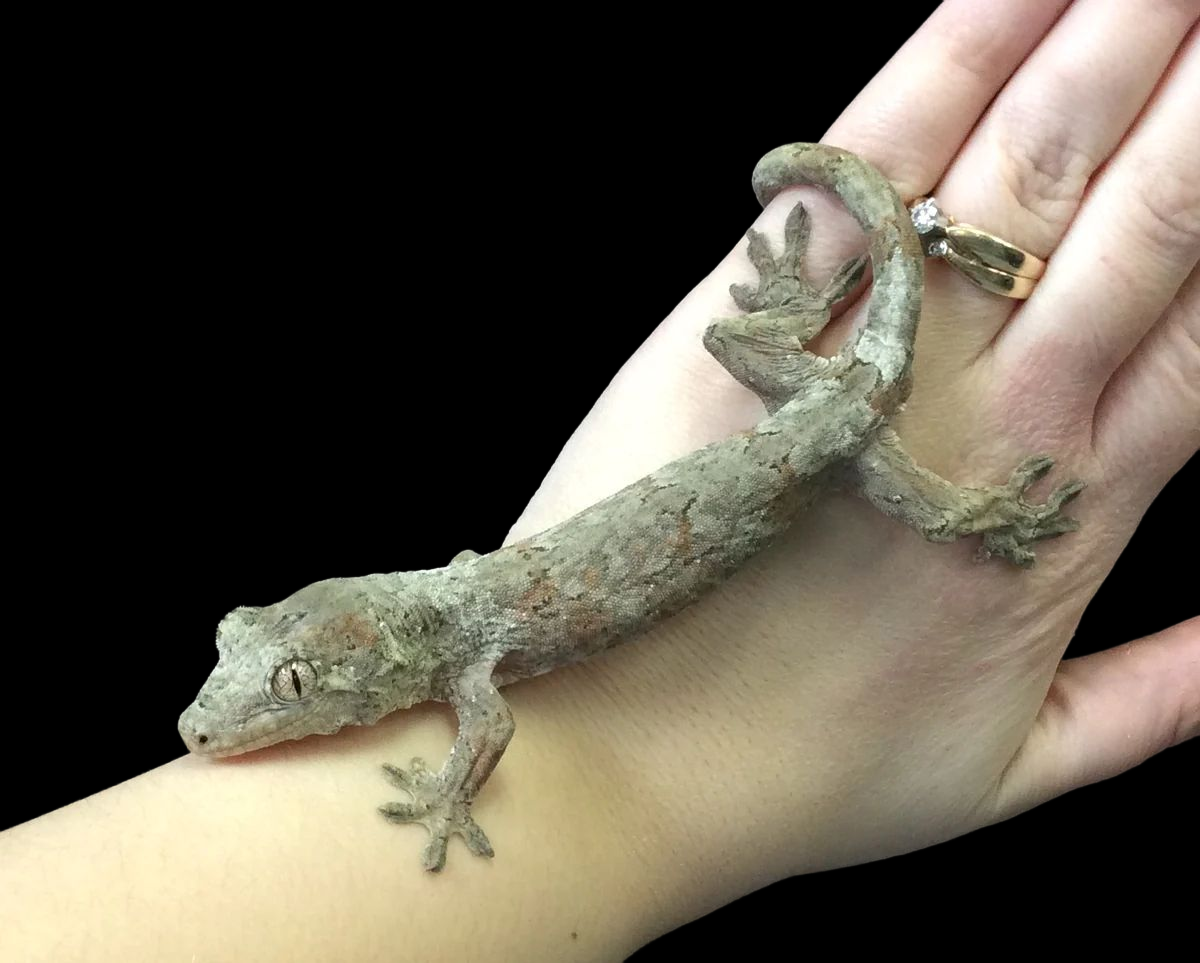
Chahoua Gecko (Pine Isle)
Scientific Name: Mniarogekko chahoua
Common Name: Chahoua Gecko, Mossy New Caledonian Gecko
Species Overview
Size: Adult Pine Isle Chahoua Geckos typically reach 8–10 inches (20–25 cm) in total length, including the tail. They are medium-sized, arboreal geckos with muscular limbs, prehensile tails, and soft, velvety skin suited for life among dense vegetation.
Appearance: The Pine Isle Chahoua Gecko is the more vibrant locality of Mniarogekko chahoua, characterized by lush green and reddish hues that resemble moss, lichen, and tree bark. Their base colour is typically rich olive to deep green with pink, peach, or red undertones, complemented by pale cream or white mottling. The texture of their skin enhances their camouflage, giving them a “mossy” look that allows them to disappear seamlessly into foliage. Compared to Mainland Chahouas, Pine Isle individuals display brighter, more saturated colours and cleaner pattern contrast.
Distribution: Endemic to Île des Pins (Pine Island), a small island located south of the main island of New Caledonia. This isolated locality has given rise to subtle physical and colour differences compared to mainland populations.
Habitat: In the wild, Pine Isle Chahouas inhabit humid coastal forests rich in mosses, vines, and dense leaf cover. They prefer shaded, moist environments and are primarily arboreal, often found resting on branches or broad leaves. In captivity, they thrive in tall, well-planted terrariums that replicate their natural humidity and vegetation.
Behaviour: Pine Isle Chahouas are calm, deliberate, and nocturnal. They rely on camouflage rather than flight and are gentle when handled carefully. Their strong grip, prehensile tails, and slow, methodical movements make them highly adaptable to life in vertical enclosures.
Captive Care
Enclosure: Provide a vertically oriented enclosure of at least 18 inches × 18 inches × 24 inches (45 × 45 × 60 cm) for a single adult. Include cork bark, driftwood, and dense live or artificial foliage for climbing and concealment. A naturalistic or bioactive setup with live plants such as pothos, philodendron, and ficus helps maintain ideal humidity levels.
Temperature & Humidity: Maintain daytime temperatures between 75–82°F (24–28°C) and nighttime drops to 68–72°F (20–22°C). Avoid temperatures above 85°F (29°C). Keep humidity between 60–80%, achieved through daily misting and the use of live plants. Provide good ventilation to prevent stagnant air.
Lighting: Provide low to moderate UVB lighting (2–7%) on a 12-hour day/night cycle. Although nocturnal, Pine Isle Chahouas benefit from low UV exposure for calcium metabolism and a healthy circadian rhythm.
Diet: Feed a balanced diet of gut-loaded insects such as crickets, roaches, silkworms, and black soldier fly larvae, along with formulated fruit-nectar diets made for New Caledonian species. Dust live feeders regularly with calcium and multivitamin supplements. Adults should be fed 3–4 times per week.
Behaviour in Captivity: These geckos are hardy, intelligent, and often tolerant of gentle handling. They become highly interactive once settled and readily explore their enclosures after dusk. With proper care, they can live 15–20 years or longer in captivity.
Special Considerations: Avoid excessive heat and dryness, as this species thrives in cool, humid conditions. Provide multiple perches and shaded areas to reduce stress, and minimize handling during daylight hours.
Taxonomy Note
The Chahoua Gecko (Mniarogekko chahoua) belongs to the family Diplodactylidae, native to New Caledonia. Formerly classified within Rhacodactylus, the genus Mniarogekko was established to distinguish Chahouas for their unique morphology, velvety skin, and specialized camouflage. The Pine Isle form is a naturally occurring locality variation of the species rather than a separate subspecies.
Genetics Note
There are currently no formal morphs of Mniarogekko chahoua. However, the Pine Isle locality is valued for its bright green, red, and peach tones, which are naturally expressed rather than selectively bred traits. Breeders often pair Pine Isle individuals selectively to enhance colour saturation, pattern clarity, and contrast while maintaining the species’ natural appearance.
Estimate shipping