


Photo Disclaimer
Description
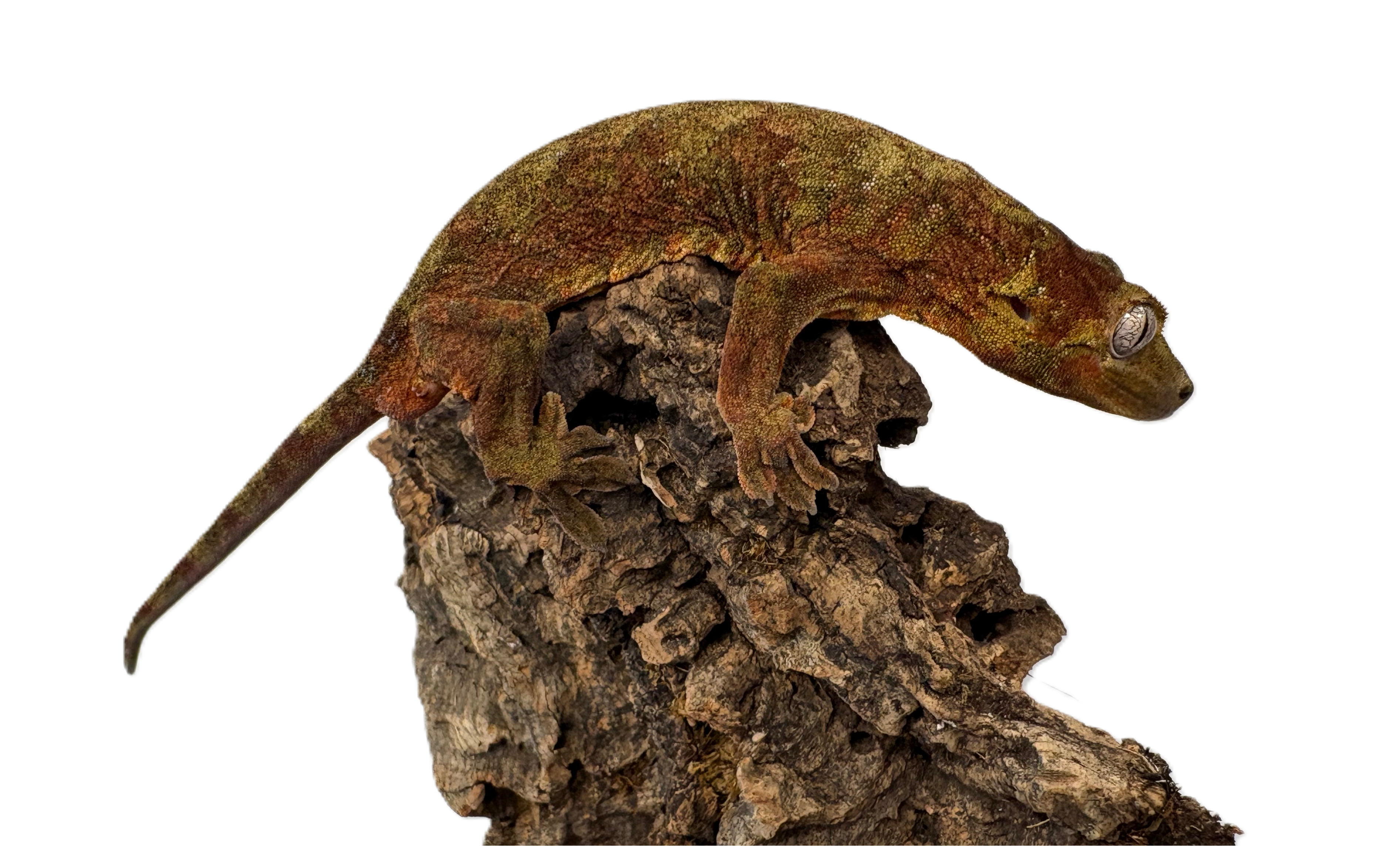
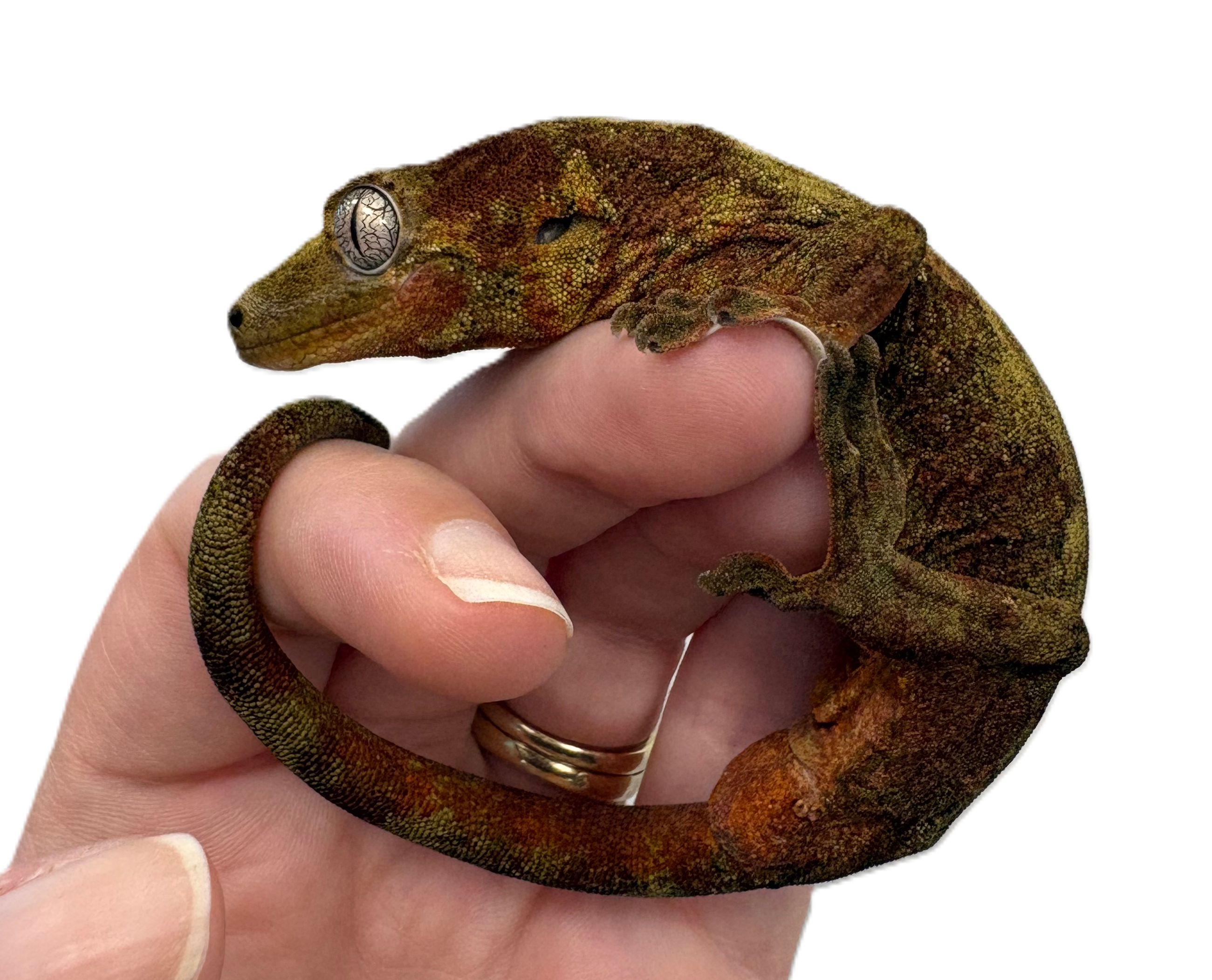
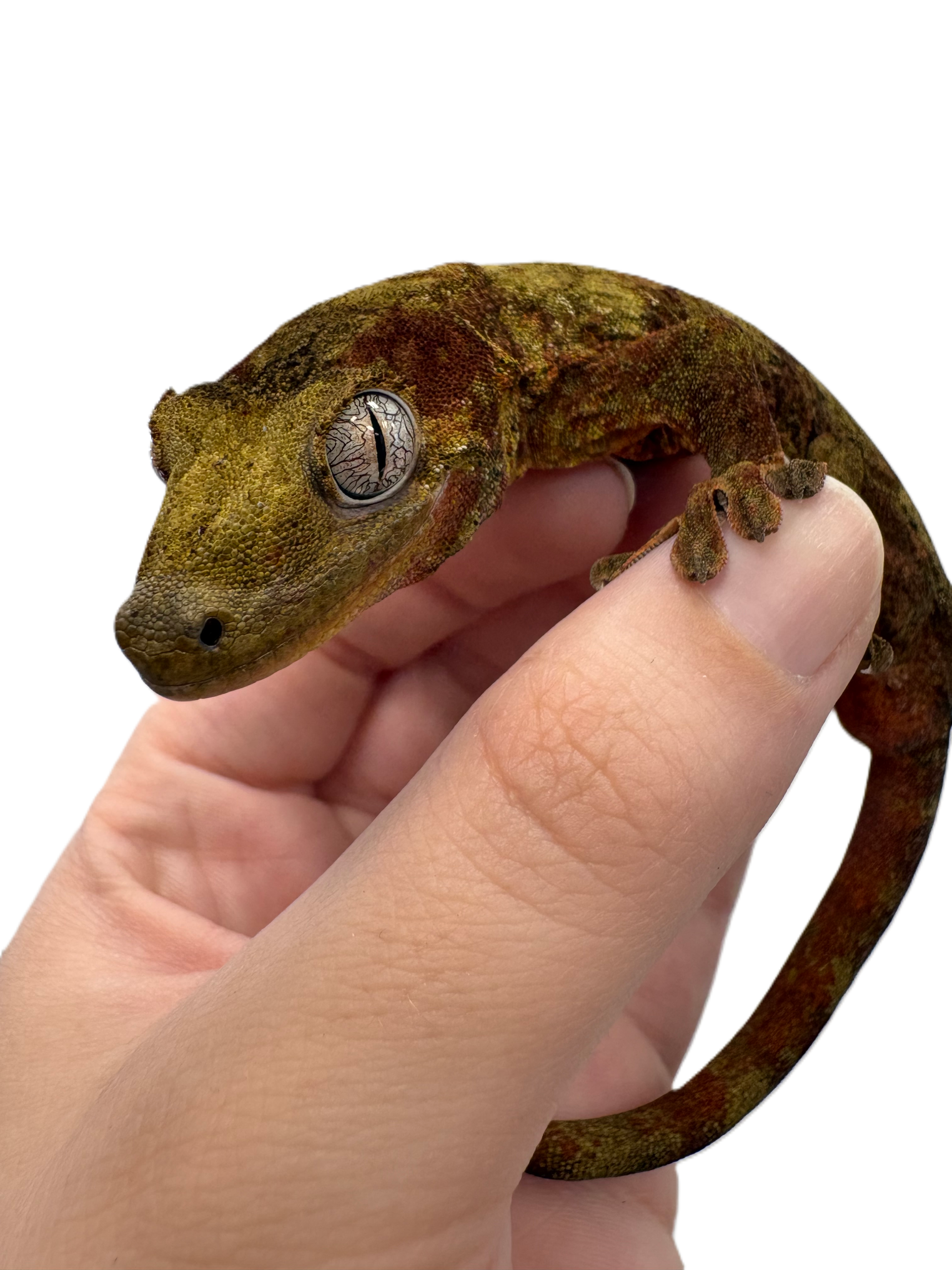
Chahoua Gecko (Mainland)
Scientific Name: Mniarogekko chahoua
Common Name: Chahoua Gecko, Mossy New Caledonian Gecko
Species Overview
Size: Adult Chahoua Geckos typically reach 8–10 inches (20–25 cm) in total length, including the tail. They are moderately sized arboreal geckos with a muscular build, prehensile tails, and broad heads.
Appearance: The Mainland Chahoua Gecko is a beautifully camouflaged species, often displaying mossy green, brown, and grey tones with intricate marbling and lichen-like blotching across the body. Their skin has a soft, velvety texture and a matte finish, perfectly suited for blending into bark and foliage. Mainland forms tend to exhibit more brown and grey coloration compared to their island counterparts, with heavier mottling and less vivid greens. The eyes are large and expressive, ranging from copper to silvery-grey.
Distribution: Native to New Caledonia, specifically the southern and central regions of Grande Terre (the main island), where they inhabit humid forests and dense vegetation.
Habitat: In the wild, Chahoua Geckos are arboreal, living in the canopy and lower forest branches. They prefer high humidity and stable temperatures within well-shaded, moist environments. In captivity, they thrive in tall, well-planted enclosures that provide ample climbing structures and hiding spaces.
Behaviour: These geckos are nocturnal and semi-docile, known for their calm nature and strong grip. They rely heavily on camouflage and rarely show aggression. When threatened, they may flatten their body against a surface to blend in seamlessly. Mainland Chahouas are often more robust but slightly less vividly coloured than island forms, making them excellent display animals.
Captive Care
Enclosure: Provide a vertically oriented enclosure of at least 18 inches × 18 inches × 24 inches (45 × 45 × 60 cm) for a single adult or pair. A naturalistic or bioactive setup with live plants such as pothos, ficus, and philodendron is ideal. Include cork bark, vines, and broad branches for climbing.
Temperature & Humidity: Maintain daytime ambient temperatures between 75–82°F (24–28°C) and nighttime drops to 68–72°F (20–22°C). Avoid temperatures above 85°F (29°C). Keep humidity between 60–80%, achieved through daily misting and live plant cover. Provide good ventilation to prevent stagnant air.
Lighting: Use low to moderate UVB lighting (2–7%) on a 12-hour day/night cycle. While primarily nocturnal, Chahouas benefit from low-level UVB exposure to support calcium metabolism and general well-being.
Diet: Offer a combination of gut-loaded insects (crickets, roaches, silkworms, and black soldier fly larvae) and formulated fruit-nectar diets made for New Caledonian geckos. Dust live feeders regularly with calcium and multivitamin supplements. Feed adults 3–4 times per week and juveniles more frequently.
Behaviour in Captivity: Mainland Chahouas are steady, hardy, and easily acclimated. They are tolerant of gentle handling and tend to perch calmly when secure. With proper care and environmental stability, they can live 15–20 years in captivity.
Special Considerations: This species prefers cooler, humid conditions and should not be kept overly dry or hot. Maintain consistent humidity and avoid excessive handling to prevent stress or tail damage.
Taxonomy Note
The Chahoua Gecko (Mniarogekko chahoua) belongs to the family Diplodactylidae, which includes other New Caledonian species such as Crested Geckos (Correlophus ciliatus) and Gargoyle Geckos (Rhacodactylus auriculatus). Mniarogekko was reclassified from Rhacodactylus to reflect its distinct characteristics, including softer skin, prehensile tail, and unique camouflage patterns. Mainland and island populations differ slightly in size, pattern, and hue but belong to the same species.
Genetics Note
There are currently no formally recognized morphs of Mniarogekko chahoua, though selective breeding has produced individuals with enhanced greens, reds, or high-contrast patterning. The Mainland form is distinguished by its earthy brown and grey palette with moss-like texture, whereas island forms often display brighter greens and more saturated colours. These variations are naturally occurring locality differences, not separate morphs.
Estimate shipping