


Photo Disclaimer
Description
Electric Blue Day Gecko
Scientific Name: Lygodactylus williamsi
Common Name: Electric Blue Day Gecko, William’s Dwarf Gecko
Species Overview
Size: Adults typically reach 3 inches (7.5 cm) in total length, with males slightly larger and more vibrant than females. They are small, arboreal geckos with sleek bodies and flattened toe pads suited for climbing smooth surfaces.
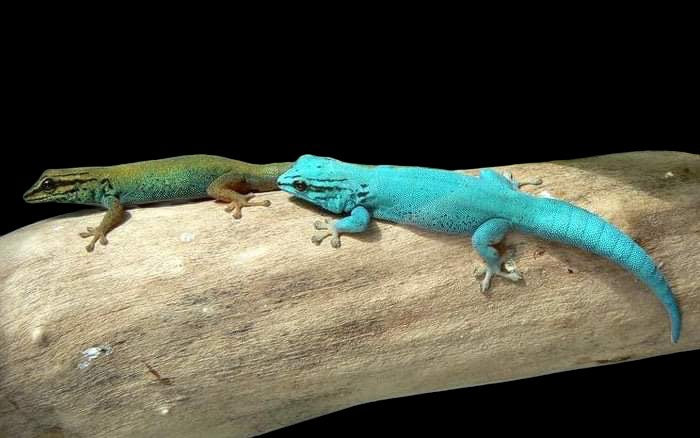
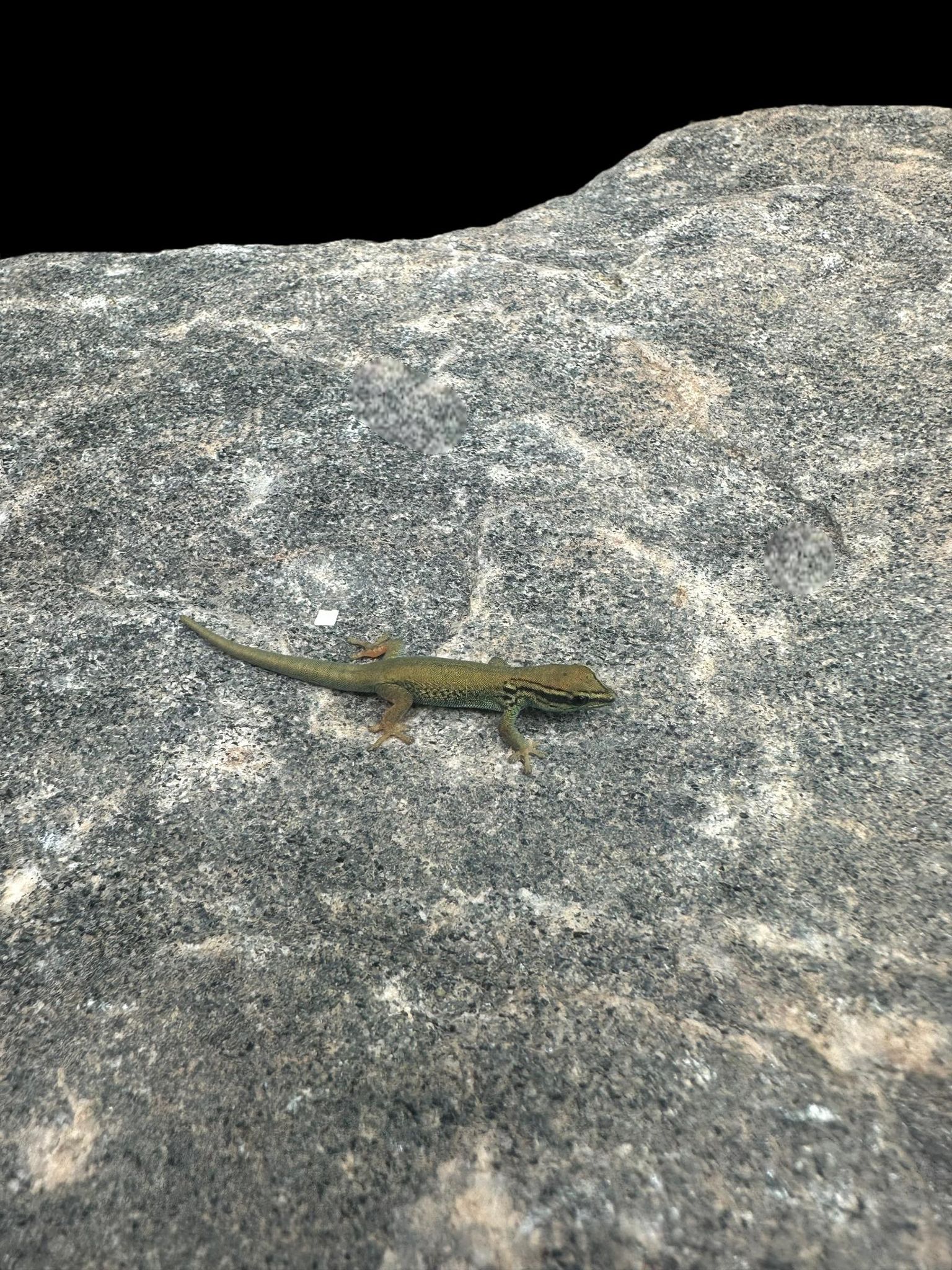
Appearance: The Electric Blue Day Gecko is among the most visually striking reptiles in the hobby. Adult males exhibit a brilliant metallic turquoise-blue body with black markings around the eyes and along the flanks, while females are typically greenish or bronze with subtle blue hues on the tail and sides. Both sexes have golden eyes and smooth, glossy scales that shimmer under natural light. Their vivid colouring and curious, active nature make them one of the most captivating small geckos in captivity.
Distribution: Endemic to a very small area of eastern Tanzania, specifically the Kimboza Forest and surrounding lowland coastal regions. This limited range makes the species highly localized and vulnerable in the wild.
Habitat: In nature, Electric Blue Day Geckos inhabit the smooth trunks and leaves of Pandanus (screw pine) plants within humid, subtropical forests. They live in small colonies and rely on tree cavities and leaf bases for shelter and nesting. In captivity, they require well-planted, vertical enclosures with plenty of climbing and basking opportunities.
Behaviour: These geckos are highly active, diurnal (day-active), and extremely fast. Males are territorial and should not be housed together. With proper care, they become bold and interactive, often visible basking or hunting during the day. While not suited for handling due to their fragile skin and tails, they make outstanding display animals.
Captive Care
Enclosure: Provide an enclosure measuring at least 18 inches × 18 inches × 24 inches (45 × 45 × 60 cm) for a pair. A tall, vertically oriented terrarium is essential, as these geckos spend most of their time climbing. Use bioactive or naturalistic setups with live plants (such as Pothos, Bromeliads, or Dracaena), smooth branches, and cork bark. Ventilation and humidity balance are critical to prevent stagnant air.
Temperature & Humidity: Maintain daytime temperatures between 78–86°F (25–30°C) with a small basking area near 90°F (32°C). Nighttime temperatures can drop to 70–74°F (21–23°C). Keep humidity between 60–80%, misting 1–2 times daily to allow for hydration and shedding, while ensuring the enclosure dries between sprays.
Lighting: Provide full-spectrum lighting, including a low to moderate UVB source (5–7%). Bright lighting is essential for this diurnal species and helps maintain natural activity, coloration, and overall health.
Diet: Feed a variety of small insects such as fruit flies, bean beetles, and tiny crickets, supplemented with a quality commercial gecko diet (e.g., Pangea or Repashy) offered 2–3 times weekly. All insect prey should be dusted with calcium and vitamin supplements.
Behaviour in Captivity: Electric Blue Day Geckos are lively and inquisitive, frequently seen exploring, basking, or licking dew from leaves. They are highly visual and respond well to consistent routines but should not be handled due to their delicate nature.
Special Considerations: Lygodactylus williamsi is a CITES Appendix I species, meaning international trade is highly regulated to protect remaining wild populations. Only captive-bred individuals should be purchased, and proof of legal origin is essential. Always maintain secure enclosures, as these geckos can escape through small openings.
Taxonomy Note
The Electric Blue Day Gecko (Lygodactylus williamsi) belongs to the family Gekkonidae and is part of the Lygodactylus genus, which includes several small, diurnal geckos distributed across Africa and Madagascar. L. williamsi was described in 1952 and remains one of the most distinctive members of its genus due to its vibrant coloration and limited natural range.
Genetics Note
No distinct colour morphs or genetic variations are recognized within Lygodactylus williamsi. Sexual dimorphism is pronounced, with males displaying bright electric-blue hues and females showing green to bronze tones. Colour intensity may vary depending on age, stress levels, and lighting quality rather than genetics.
Estimate shipping