


Photo Disclaimer
Description
Fish-scale Gecko
Scientific Name: Geckolepis maculata
Common Name: Fish-scale Gecko, Peters' Spotted Gecko, Spotted Fish-scale Gecko
Species Overview
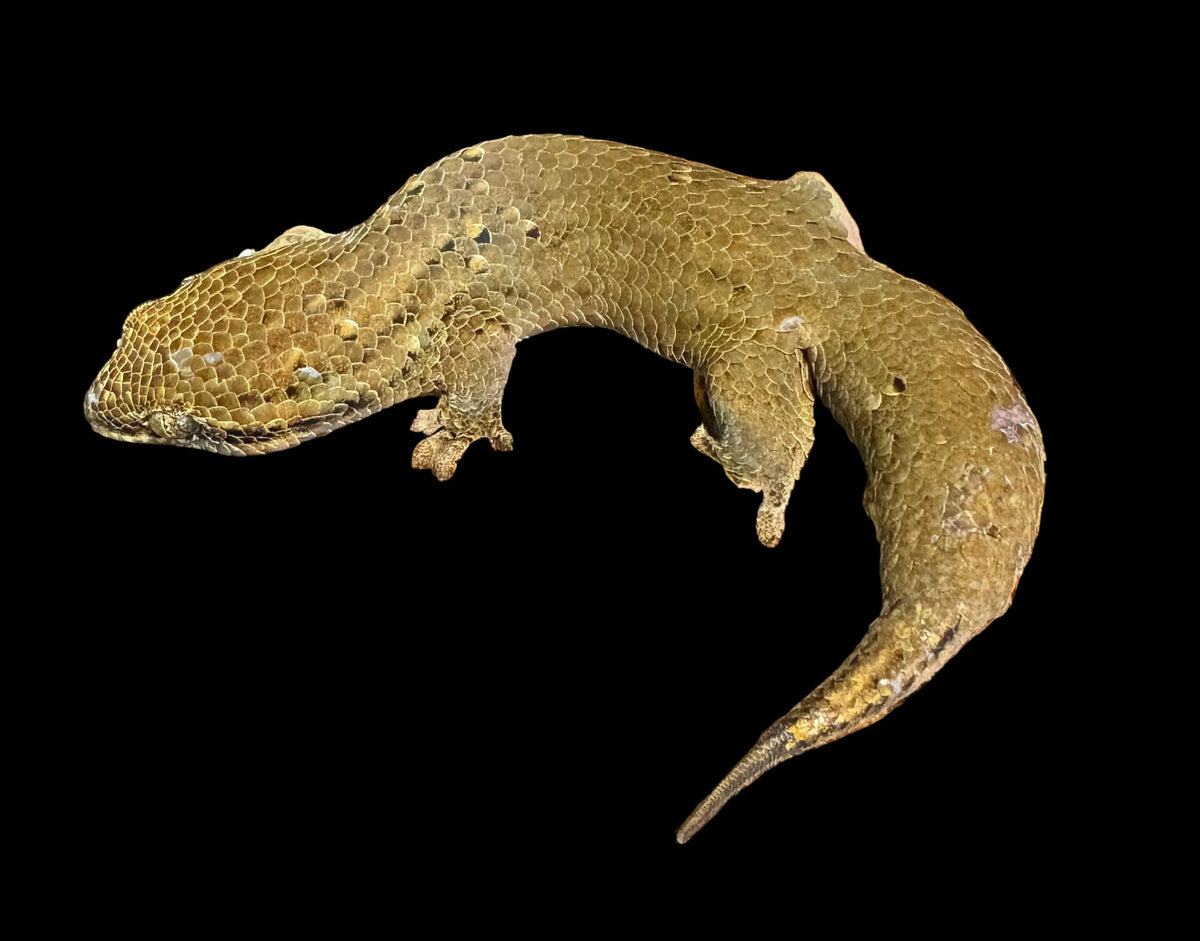
Size: Adults typically reach 4 to 5.5 inches (10 to 14 cm) in total length. They are moderately built geckos with a slightly flattened body and a proportionately thick tail.
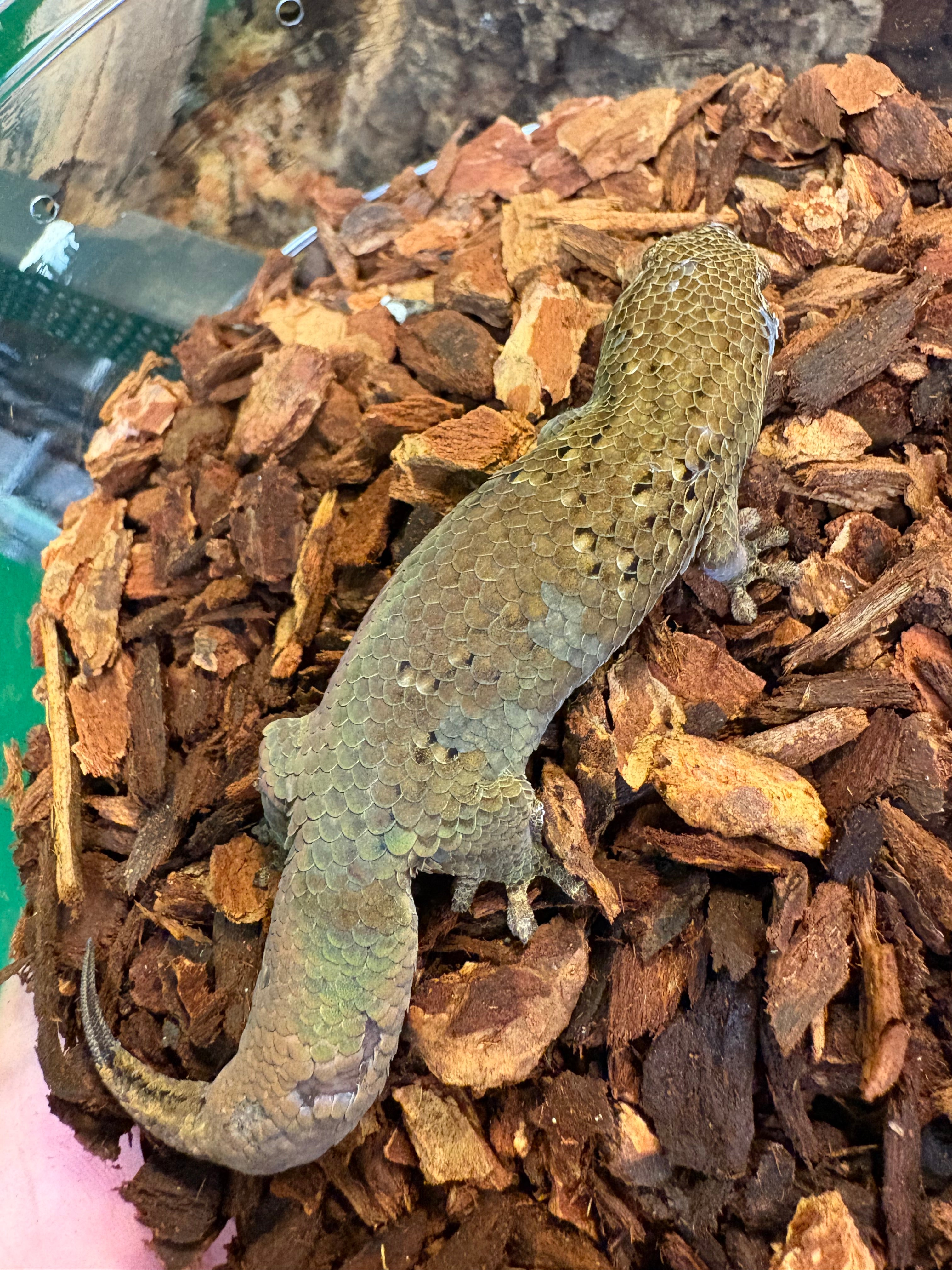
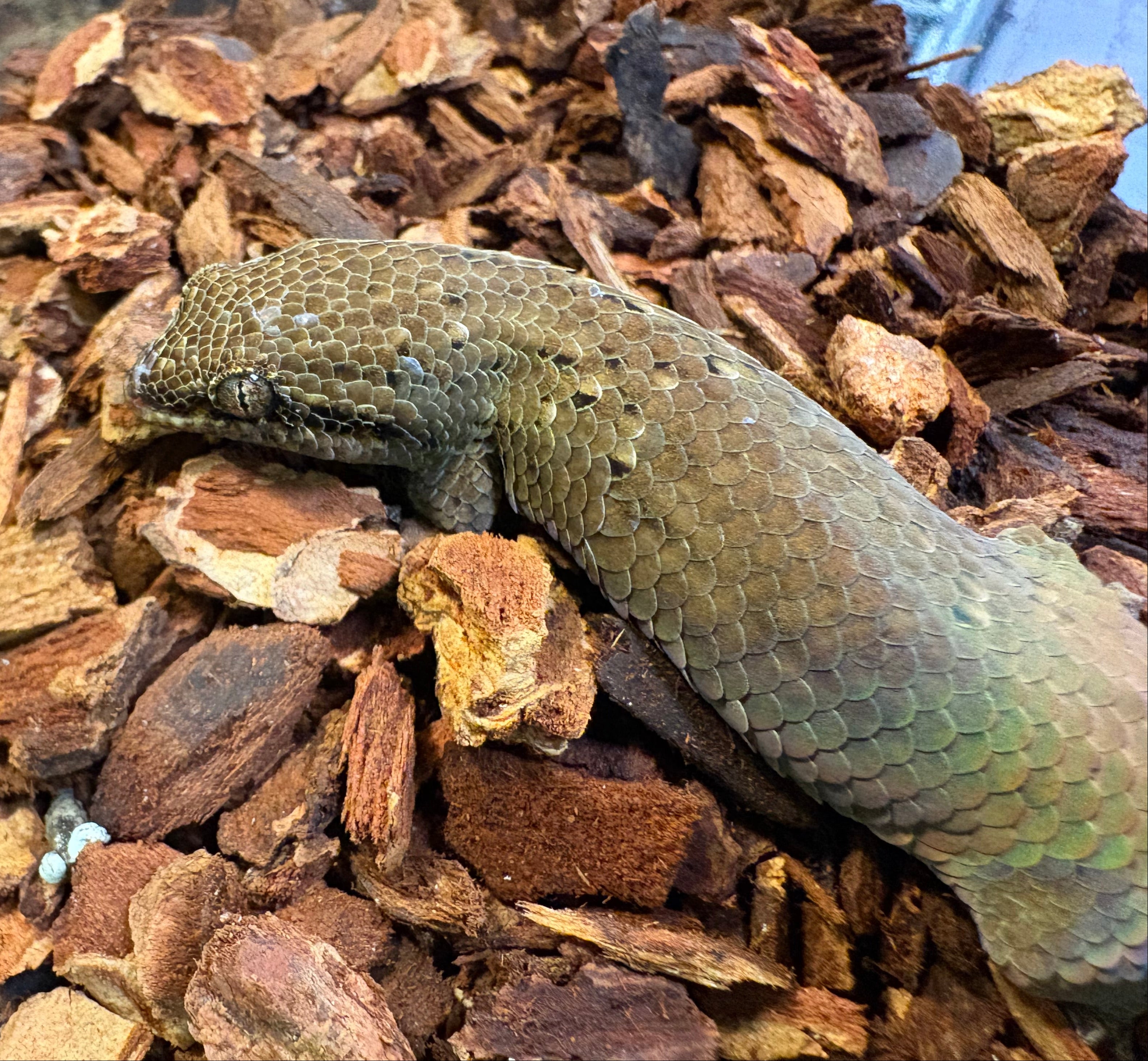
Appearance: Fish-scale geckos are the most distinctly identified by the large, overlapping scales that are very easily detachable from the body. This capacity to shed the scales so readily leads to easy escape from predators. The animal as a whole is somewhat flat, with a broad head, large eyes, and a tawny brown colouration over the whole body, interspersed with darker and lighter brown spots. In certain light the scales have an iridescent quality.
Distribution: Native to the coastal edge of western, northern, and southeastern Madagascar, along with the offshore islands of Nosy Be, ranging from 40 to 350m above sea level.
Habitat: Most commonly found in humid and littoral forests, with some sightings in disturbed habitat. These geckos are often found on traveler's palm (Ravenala madagascariensis) and surrounding trees, but have been also spotted on the surfaces of buildings and in gardens.
Behaviour: Fish-scale geckos are nocturnal and forage for insects at night, relying on their cryptic colouration to move unnoticed. Naturally cautious, but their curiosity aids in the building of positive relationships with their owner.
Captive Care
Enclosure: Being a smaller sized arboreal gecko, an optimal enclosure would be 18 x 18 x 24" to allow for adequate space. 12 x 12 x 18" enclosures may be used as a minimum size, but only as a temporary measure. Use of dense cover, varied branches, and cork bark surfaces are essential to give the animal security. These animals respond well to bioactive setups and the inclusion of live plants.
Temperature & Humidity: Maintain daytime temperatures between 76 to 84°F (24 to 29°C), with a warm area up to 86°F (30°C). Night temperatures can fall to 68 to 72°F (20 to 22°C). Humidity should remain moderate around 50 to 65%, with light misting to produce brief humidity spikes without allowing the enclosure to stay overly wet.
Lighting: Low to moderate UVB (2 to 5%) on a 12-hour cycle is appropriate. Although nocturnal, gentle UV exposure can support long-term health and proper mineral metabolism.
Diet: Feed a varied insect diet consisting of crickets, roaches, silkworms, mealworms, and moths. Juveniles benefit from daily feeding, while adults can be fed every 2 to 3 days. All insects should be gut-loaded and dusted with calcium and multivitamin supplements. Clean water should be available in a shallow dish or accessible via droplets from misting.
Behaviour in Captivity: Naturally cautious, they initially rely strongly on their cryptic colouration and will freeze if they feel like they have been spotted, but will then flee if pressed. Gentle approaches around their enclosure and gradual introduction of positive reinforcement with the use of offering food on tongs can lead to the animal warming up and becoming less fearful overall.
Once settled, Fish-scale Geckos become active, agile climbers. They move with precision across textured vertical surfaces and prefer densely furnished enclosures that allow them to remain partially concealed while hunting.
Special Considerations: Their skin is delicate and should not be handled unnecessarily. Ensure all climbing structures are stable to prevent accidents during rapid movement.
Taxonomy Note
Geckolepis maculata is a member of the family Gekkonidae, which is among the largest groups of geckos
Genetics Note
There are no recognized morphs or selectively bred variants of the Fish-scale Gecko. Captive populations generally display natural variations in tone and pattern reflective of their wild origins.