

Photo Disclaimer
Description
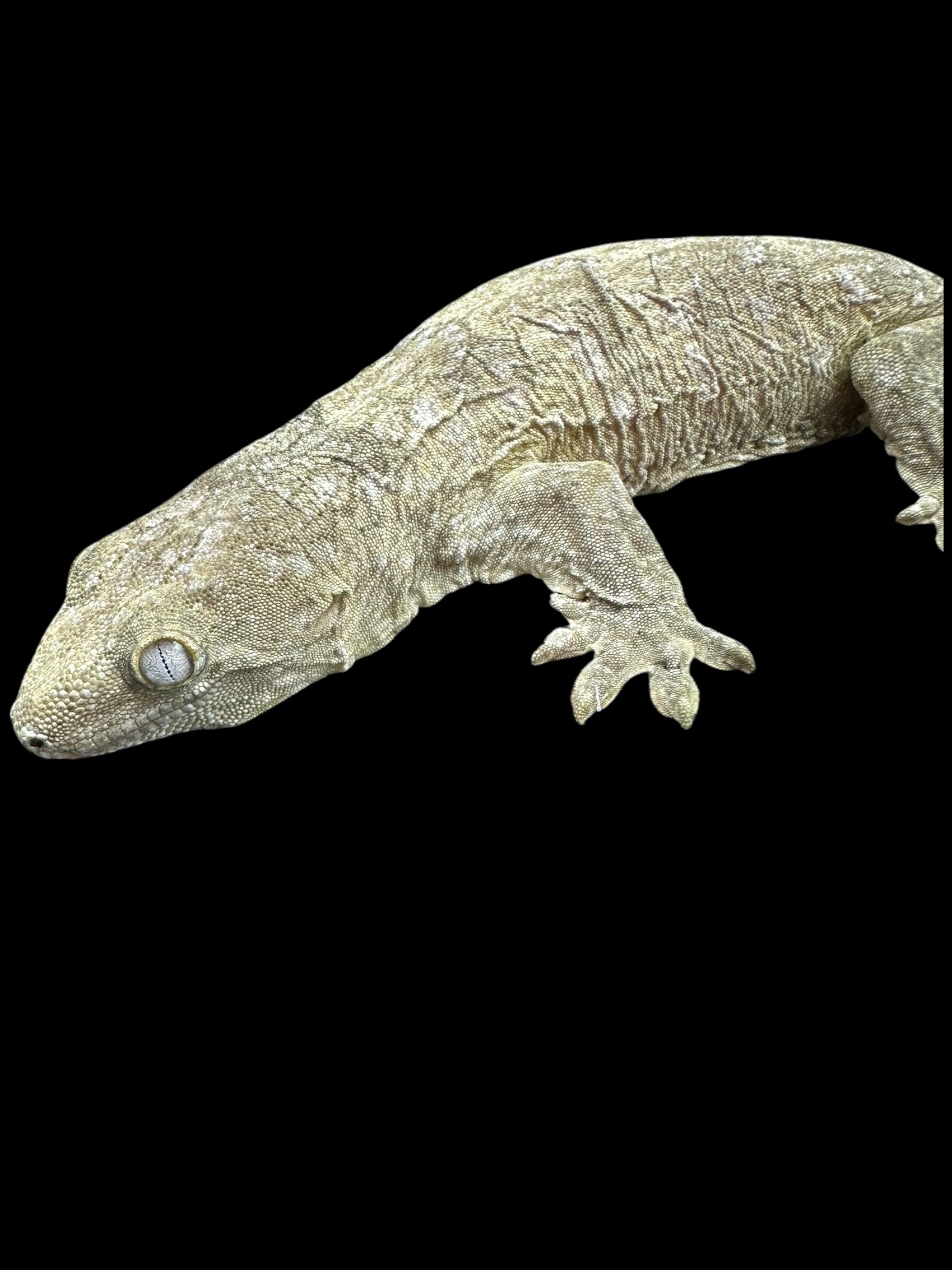
Leachianus Gecko (Pine Island)
Scientific Name: Rhacodactylus leachianus
Common Name: Leachianus Gecko, New Caledonian Giant Gecko (Pine Island locality)
Species Overview
Size: Adult Pine Island Leachianus Geckos typically reach 13–14 inches (33–36 cm) in total length, including the tail. They are large, thick-bodied geckos, often heavier and bulkier than most small island localities. Their size, temperament, and strong feeding response make them one of the most sought-after Rhacodactylus leachianus forms in captivity.
Appearance: The Pine Island locality is known for its broad body, robust head, and complex colouration. Base tones range from olive-green and tan to soft grey, often overlaid with intricate marbling or blotches of cream, pink, or mossy green. Some individuals exhibit pastel or even peach undertones that intensify when warm or during breeding season. Their skin is soft and velvety, aiding in camouflage against tree bark. Compared to mainland (Grande Terre) types, Pine Island Leachianus Geckos tend to show higher colour contrast and smoother overall patterning.
Distribution: Endemic to Pine Island (Île des Pins), located south of the main island of New Caledonia.
Habitat: In the wild, these geckos inhabit coastal and lowland forests, residing in large tree hollows and under loose bark. In captivity, they thrive in tall, naturalistic enclosures that provide both vertical climbing opportunities and secure hiding areas.
Behaviour: Pine Island Leachianus Geckos are nocturnal, intelligent, and highly vocal. They produce an array of sounds—chirps, growls, and grunts—used to communicate or defend territory. They are curious and often confident once acclimated but may become territorial toward other adults. While some individuals can be calm, they are best regarded as display reptiles rather than handling pets due to their strength and independent nature.
Captive Care
Enclosure: Provide a vertically oriented terrarium measuring at least 24 inches × 18 inches × 36 inches (60 × 45 × 90 cm) for a single adult, though larger is always preferable. Include thick branches, cork tubes, and sturdy climbing structures. Live plants such as Philodendron, Pothos, or Ficus help maintain humidity and offer cover. A bioactive setup closely replicates their natural environment.
Temperature & Humidity: Maintain daytime temperatures between 75–82°F (24–28°C) and allow nighttime drops to 68–72°F (20–22°C). Avoid temperatures exceeding 85°F (29°C). Humidity should remain between 60–80%, achieved through daily misting and good ventilation. Allow partial drying between misting cycles to prevent mould.
Lighting: Although nocturnal, Pine Island Leachianus Geckos benefit from low-level UVB (2–5%) to support calcium metabolism and maintain healthy circadian rhythms. Use a 12-hour day/night cycle with shaded areas for retreat.
Diet: Offer a varied diet of high-quality commercial gecko diets (CGD) designed for Rhacodactylus species, supplemented with gut-loaded insects such as roaches or crickets weekly. Feed adults 3–4 times per week and juveniles more frequently. Rotate CGD flavours and include occasional fruit purée to encourage feeding diversity.
Behaviour in Captivity: Pine Island Leachianus Geckos are intelligent and observant. Many individuals quickly learn feeding schedules and will actively watch for keepers. They adapt well to captivity when provided consistent humidity and stable temperatures. Some individuals can become relatively docile, though others remain territorial, especially during breeding.
Special Considerations: Never house adults together outside of proven breeding pairs, as territorial aggression can occur. Always monitor new introductions carefully. Maintain balanced humidity—neither overly wet nor dry—and avoid overheating. These geckos require patience and consistency but are extremely rewarding to keep.
Taxonomy Note
The Leachianus Gecko (Rhacodactylus leachianus) belongs to the family Diplodactylidae and is native to New Caledonia. The Pine Island form is one of the best-known small island localities, distinct for its size, calm temperament, and bold, attractive patterning. Locality variation across the species reflects long-term isolation among New Caledonia’s numerous islands, each population evolving slightly different traits.
Genetics Note
There are no recognized morphs of Rhacodactylus leachianus. However, significant natural variation exists between localities, including Pine Island, Nuu Ami, Nuu Ana, and Bayonnaise. The Pine Island locality is especially valued for its consistent patterning, vibrant tones, and genetic stability. Breeders maintain pure Pine Island lines to preserve these naturally distinct traits rather than cross-breeding between localities.