


Photo Disclaimer
Description
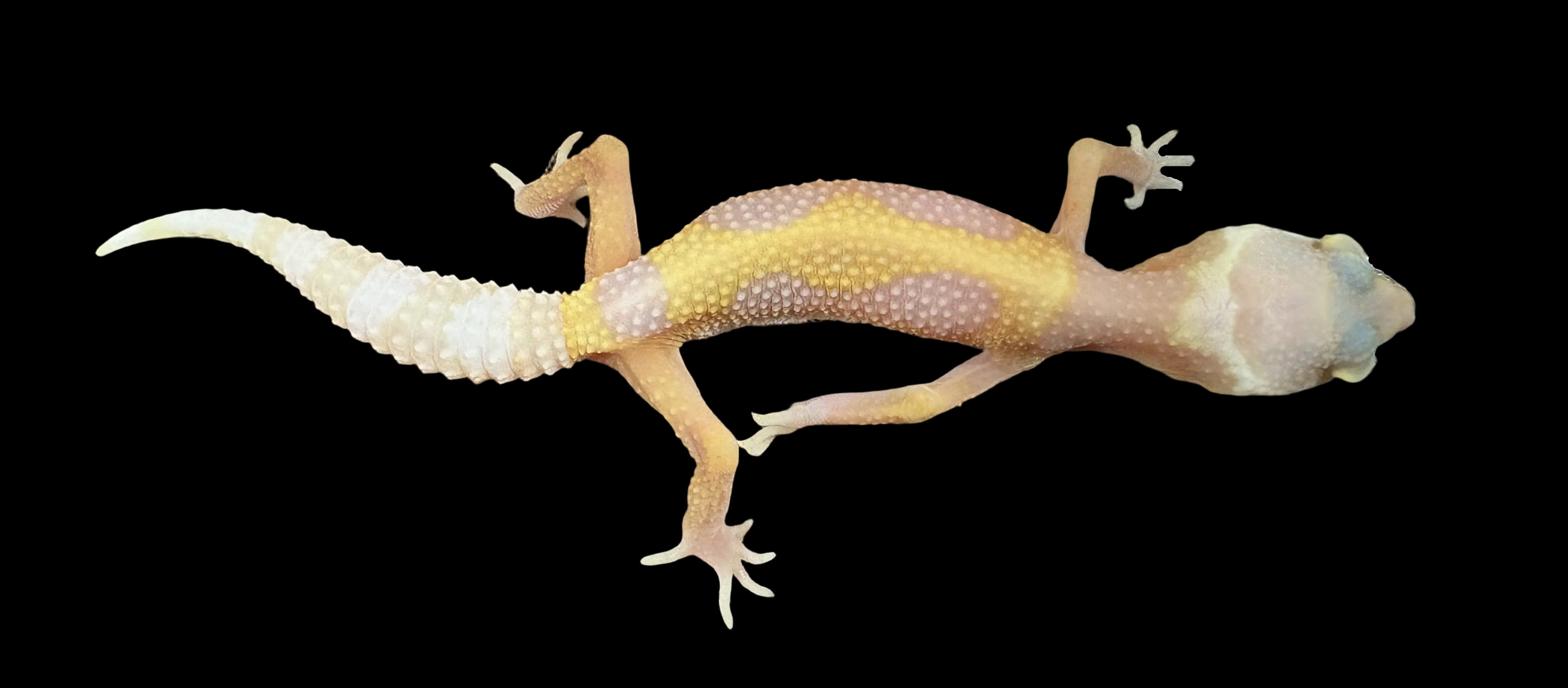
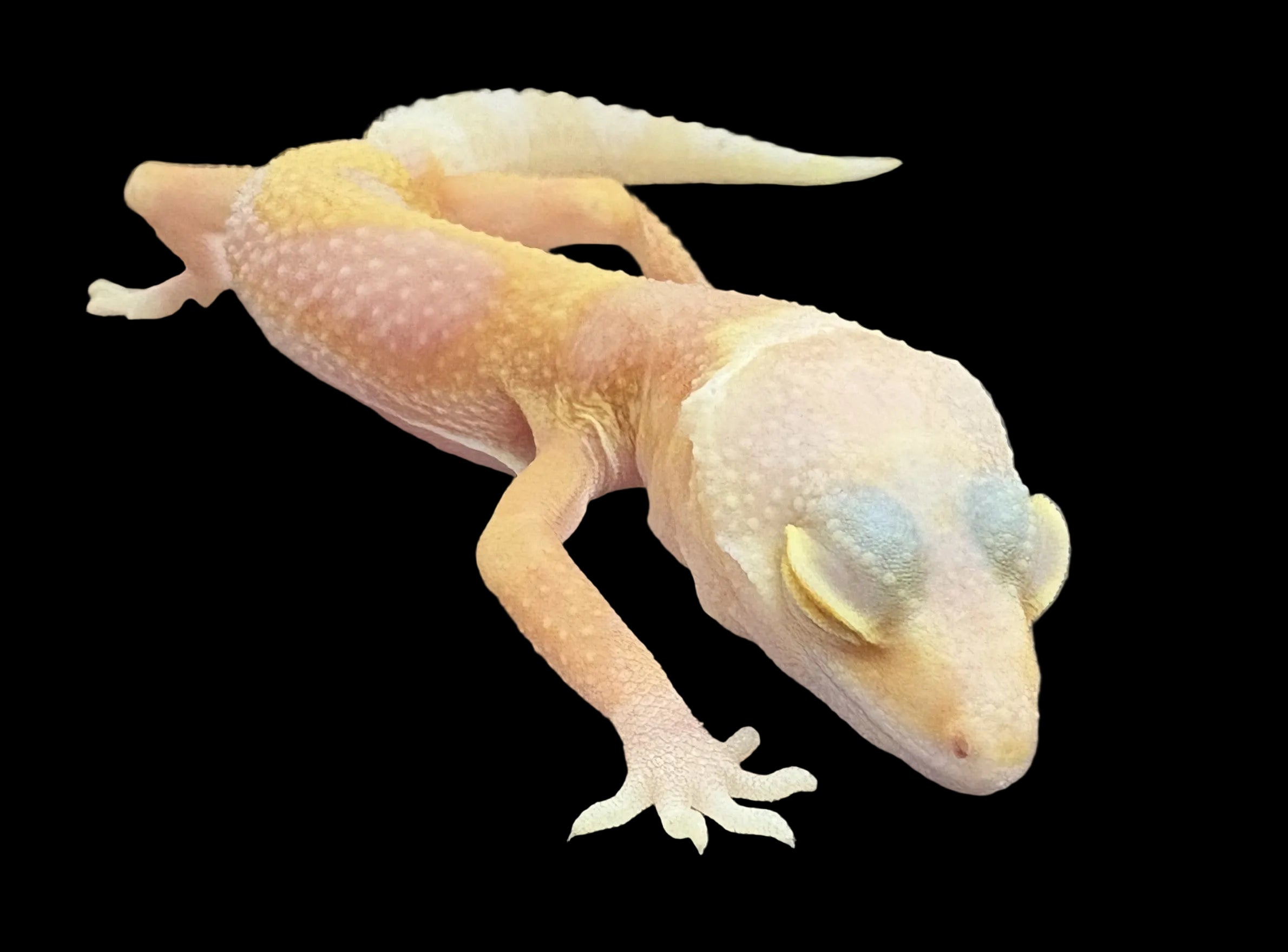
Leopard Gecko (Bubble Gum het. Rainwater/Bell Albino)
Scientific Name: Eublepharis macularius
Common Name: Leopard Gecko
Species Overview
Size: Adult Leopard Geckos typically reach 8–10 inches (20–25 cm) in total length, with males generally more robust than females. They are medium-sized, ground-dwelling lizards known for their gentle disposition and long lifespan.
Appearance:
Distribution: The species originates from the rocky deserts and arid grasslands of Pakistan, Afghanistan, northwestern India, and parts of Iran.
Habitat: In the wild, Leopard Geckos inhabit semi-arid, rocky terrain where they shelter in burrows or beneath stones during the day. In captivity, they thrive in warm, semi-arid enclosures designed to replicate these natural conditions.
Behaviour: Leopard Geckos are nocturnal, calm, and responsive to routine care. They are active hunters after dusk, exploring their environment with curiosity. Their gentle demeanour and manageable size make them suitable for both new and experienced reptile keepers.
Captive Care
Enclosure: Provide a terrestrial enclosure measuring at least 24 inches × 18 inches × 12 inches (60 × 45 × 30 cm) for a single adult. Offer multiple hides (warm, cool, and humid) and use a naturalistic substrate such as sandy soil or a clay-based blend that allows for burrowing and natural behaviour.
Temperature & Humidity: Maintain a warm side of 88–92°F (31–33°C) and a cool side around 75–80°F (24–27°C). Nighttime temperatures may drop to 70–74°F (21–23°C). Keep ambient humidity at 30–40%, with a dedicated humid hide for proper shedding. Use a thermostat to regulate all heat sources.
Lighting: Leopard Geckos benefit from low-level UVB (2–5%) to support calcium metabolism and overall health. Provide a 12-hour light/dark cycle with gentle daytime lighting.
Diet: Feed a variety of gut-loaded insects such as roaches, crickets, mealworms, and silkworms. Adults should be fed every other day, juveniles daily. Dust prey with calcium and multivitamin supplements regularly. Provide clean water at all times.
Behaviour in Captivity: Leopard Geckos adapt well to captivity and quickly establish predictable feeding and activity patterns. They are hardy and long-lived, often thriving for 15–20 years or more with proper care.
Special Considerations: Because these are assorted morphs, their genetic background is unknown. This does not affect general care, but keepers planning future breeding should be aware that visual appearance does not guarantee predictable offspring. Leopard Geckos prefer gentle handling and stable environmental conditions to avoid stress.
Taxonomy Note
The Leopard Gecko (Eublepharis macularius) is a member of the family Eublepharidae and is one of the most widely kept reptiles globally. It is notable for its movable eyelids, clawed toes, and extensive diversity of colour and pattern forms produced through captive breeding.
Genetics Note