


Photo Disclaimer
Description
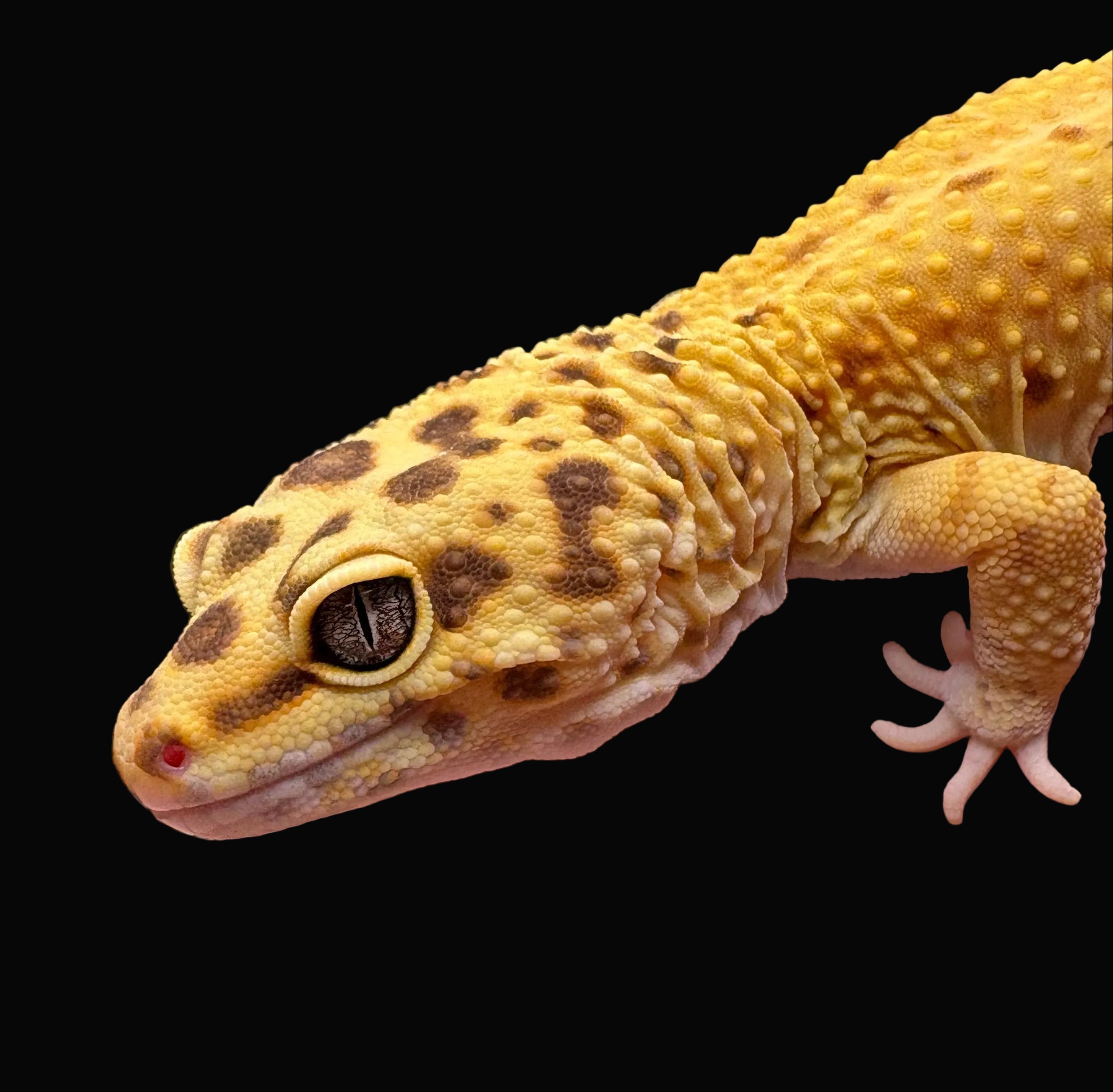
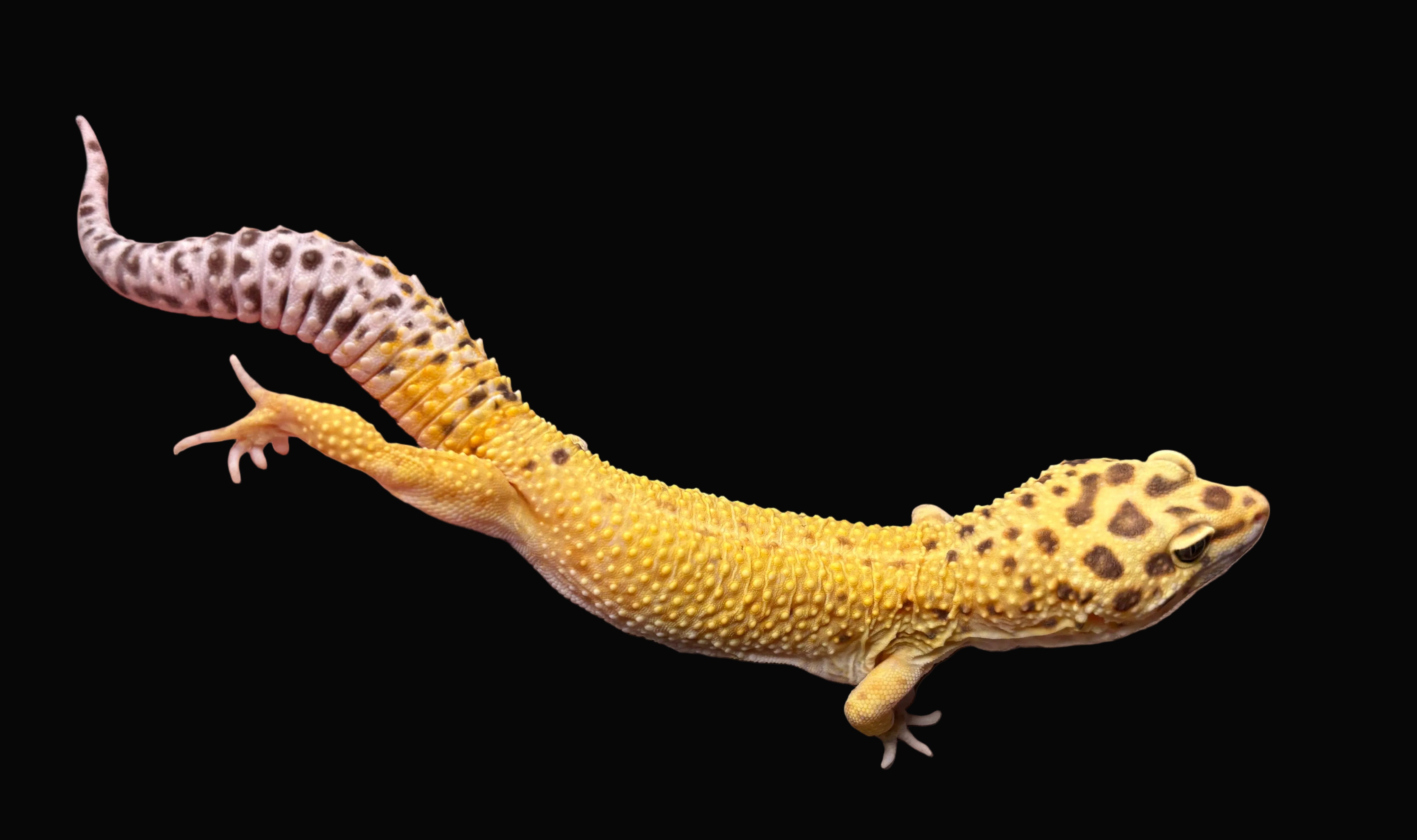
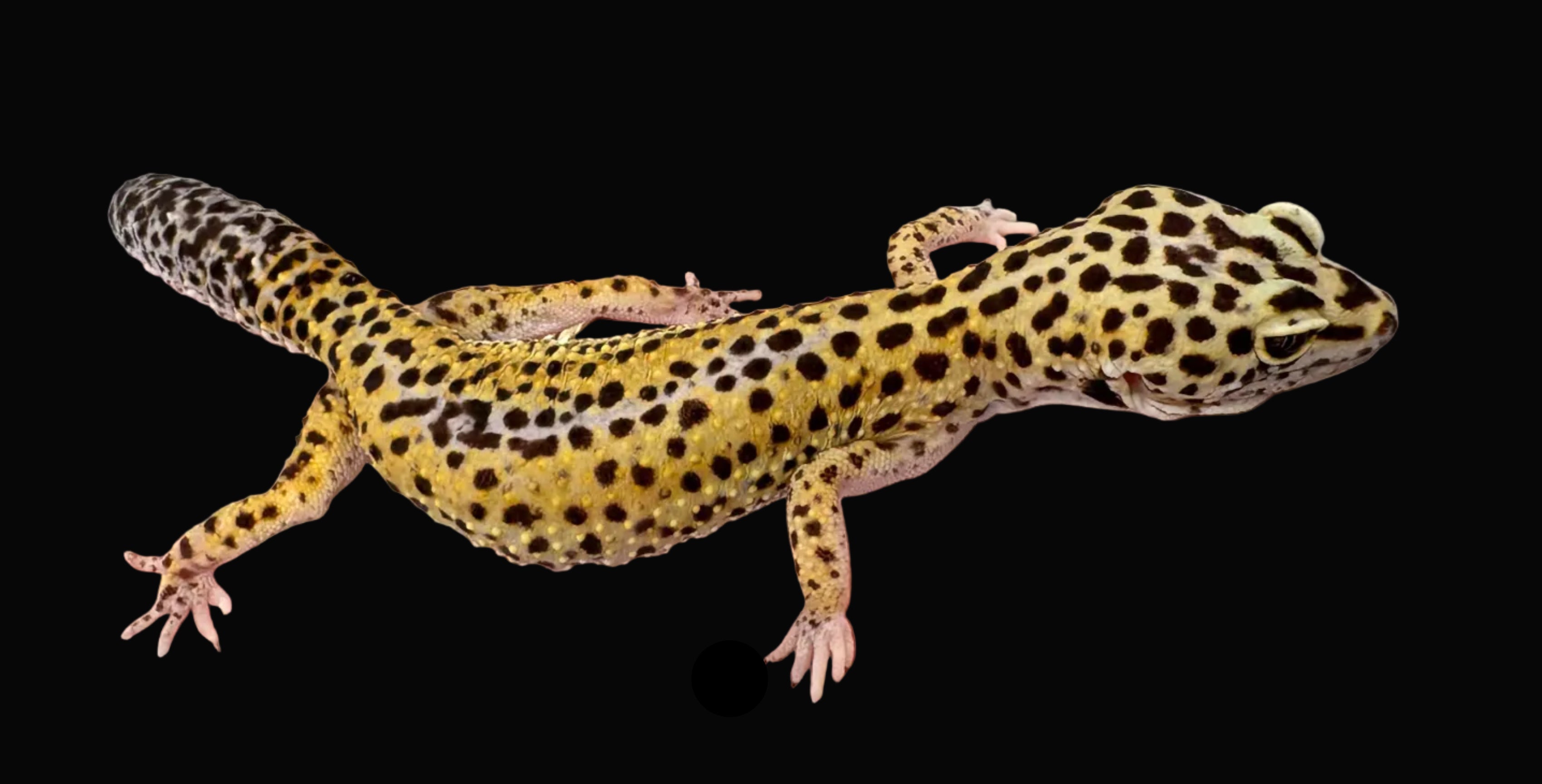
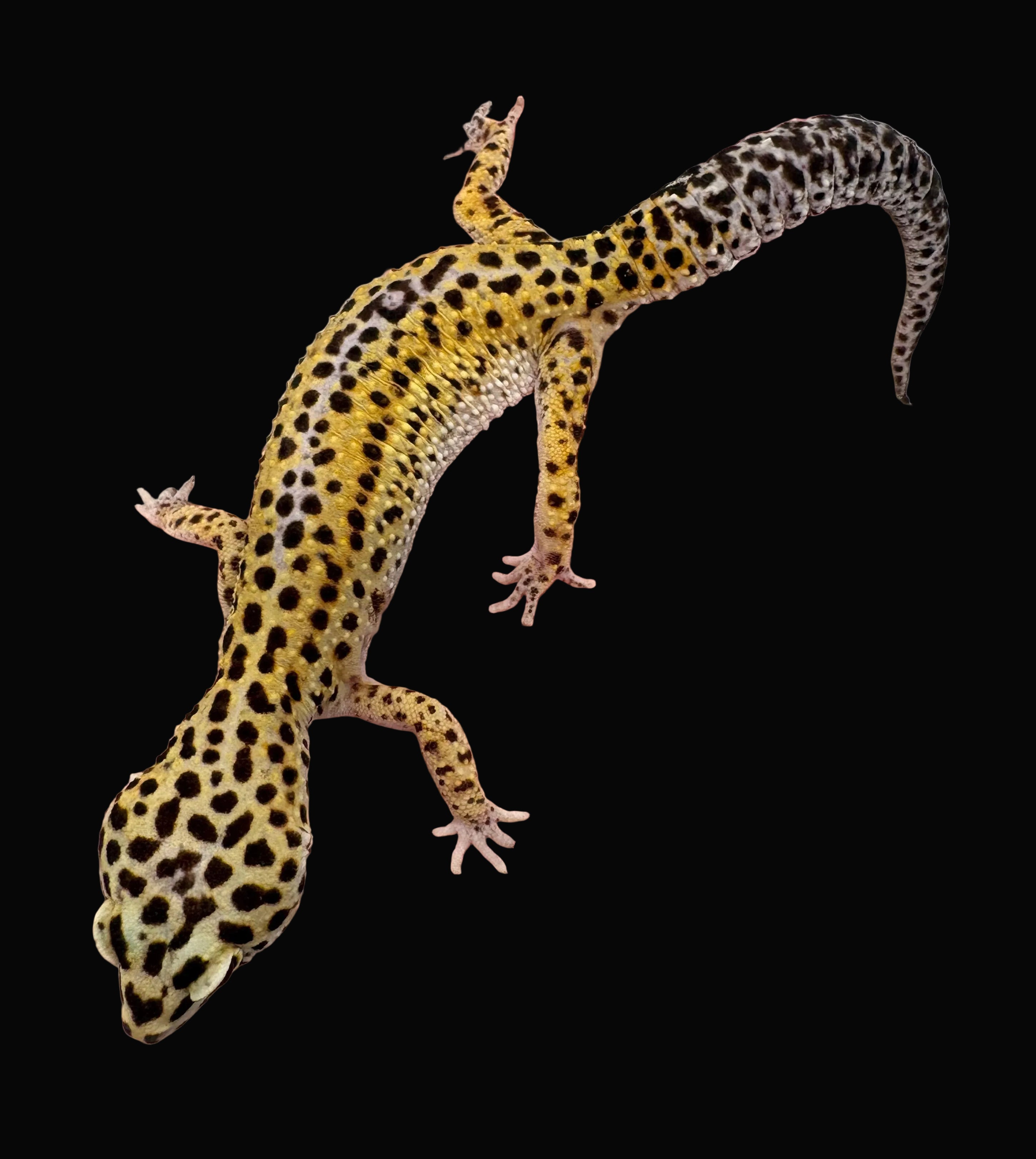
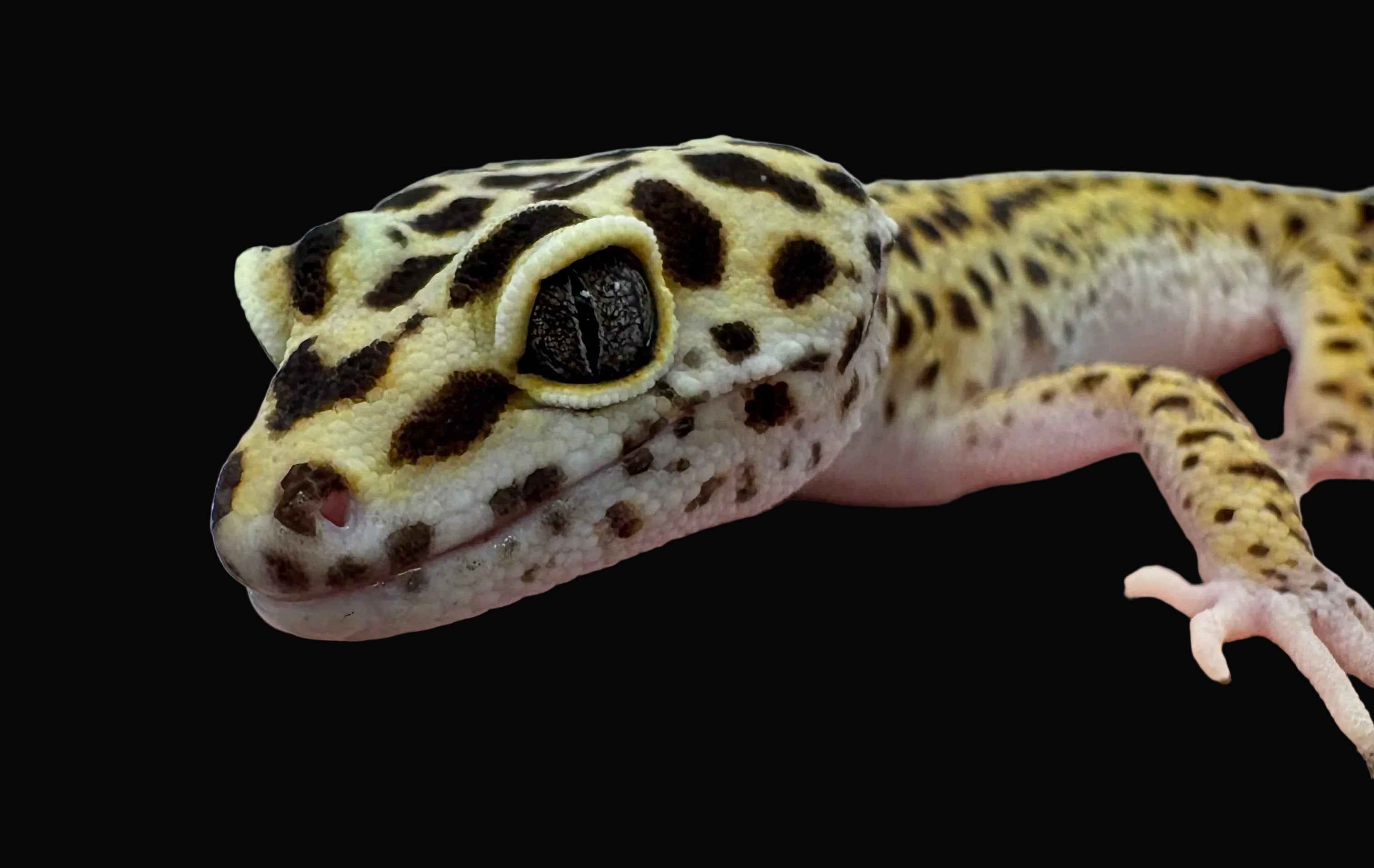
Leopard Gecko (High Yellow)
Scientific Name: Eublepharis macularius
Common Name: Leopard Gecko
Species Overview
Size: Adult Leopard Geckos typically reach about 8–10 inches (20–25 cm). They are medium-sized, sturdy reptiles well adapted to arid and semi-arid environments.
Appearance: High Yellow leopard geckos are one of the oldest morphs in the hobby. These geckos have a greater amount of yellow present on the body and a reduced amount of spotting on the body, leading to a vivid, almost glowing appearance.
Distribution: Leopard Geckos originate from Pakistan, Afghanistan, northwestern India, and Iran.
Habitat: Wild Leopard Geckos inhabit rocky deserts and scrublands where they shelter in burrows during the heat of the day. In captivity, they thrive in warm, semi-arid enclosures with secure hiding spaces.
Behaviour: Leopard Geckos are nocturnal and calm-natured. They tolerate gentle handling and display natural behaviours such as burrowing, nighttime exploring, and hunting insects.
Captive Care
Enclosure: A terrestrial enclosure measuring at least 24 inches × 18 inches × 12 inches (60 × 45 × 30 cm) is ideal. Provide a warm hide, cool hide, and humid hide. A sandy soil or clay-based naturalistic substrate supports digging behaviors.
Temperature & Humidity: Maintain a warm side of 88–92°F (31–33°C) and a cool side between 75–80°F (24–27°C). Nighttime temperatures may drop to 70–74°F (21–23°C). Humidity should remain around 30–40%, with a humid hide elevated to 60–70% to assist with shedding. Use a thermostat to regulate heating.
Lighting: Albino-line geckos can be light-sensitive. Provide low-level UVB (2–5%) and ensure shaded areas inside the enclosure. Maintain a regular 12-hour day/night cycle.
Diet: Feed gut-loaded insects such as roaches, crickets, mealworms, and silkworms. Adults typically eat every other day, while juveniles require daily feeding. Dust prey with calcium and multivitamin supplements. Provide fresh water at all times.
Behaviour in Captivity: Leopard Geckos are hardy and often live 15–20 years or longer with appropriate care. They adapt well to routine feeding and consistent environmental conditions.
Taxonomy Note
The Leopard Gecko (Eublepharis macularius) is a member of the family Eublepharidae and is one of the most widely kept reptiles globally. It is notable for its movable eyelids, clawed toes, and extensive diversity of colour and pattern forms produced through captive breeding.
Genetics Note
The High Yellow morph is a Polygenic trait, where individuals are selectively bred for reduced black spotting and a lot of yellow pigment and are an extreme of the naturally occurring variation found in the captive leopard gecko population.