


Photo Disclaimer
Description
Pictus Gecko
Scientific Name: Paroedura picta
Common Name: Pictus Gecko, Madagascar Ground Gecko, Panther Gecko
Species Overview
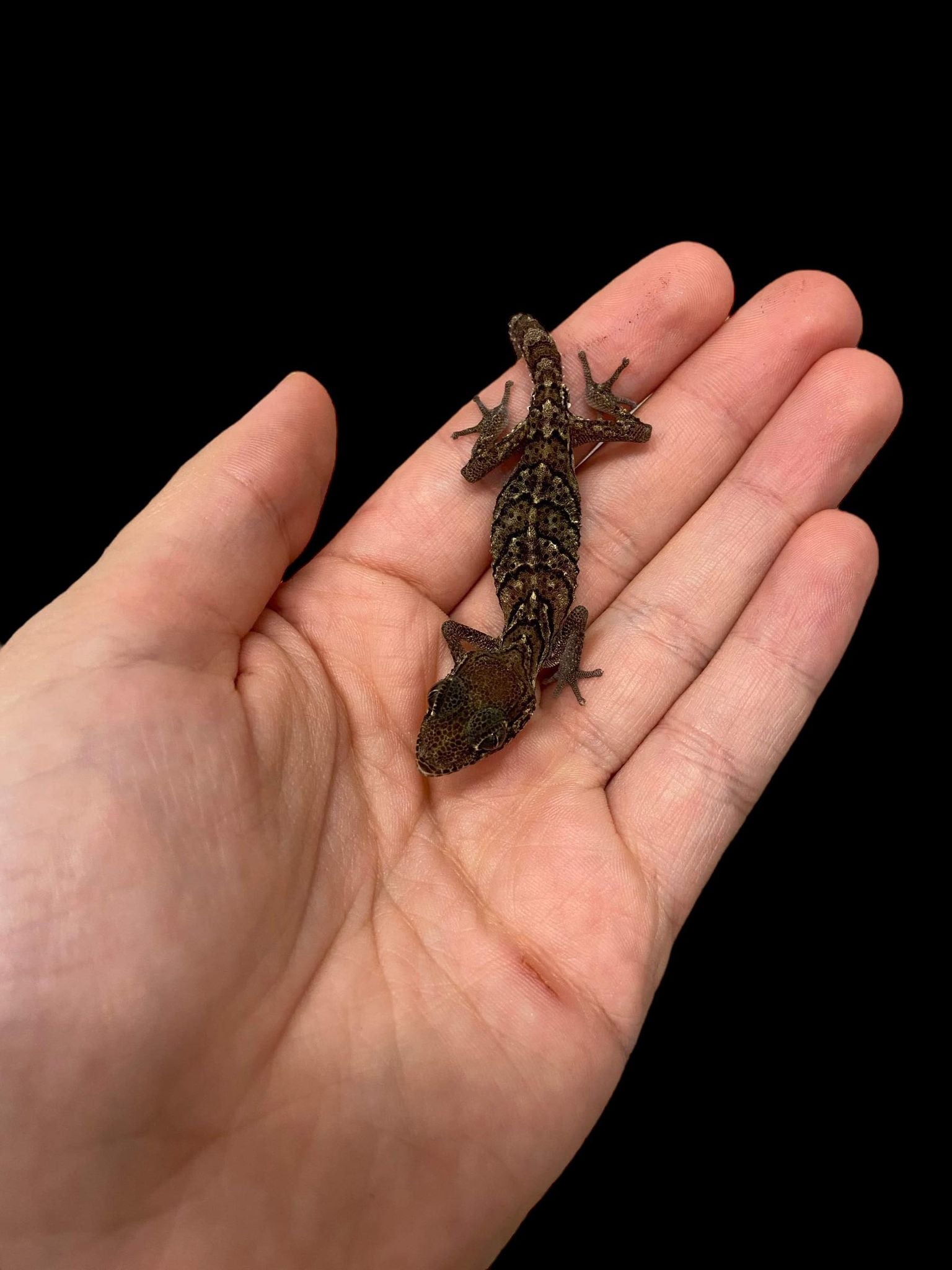
Size: Adult Pictus Geckos typically reach 4–6 inches (10–15 cm) in total length, including the tail. They are small, sturdy terrestrial geckos with a rounded body, short limbs, and large eyes adapted for nocturnal life.
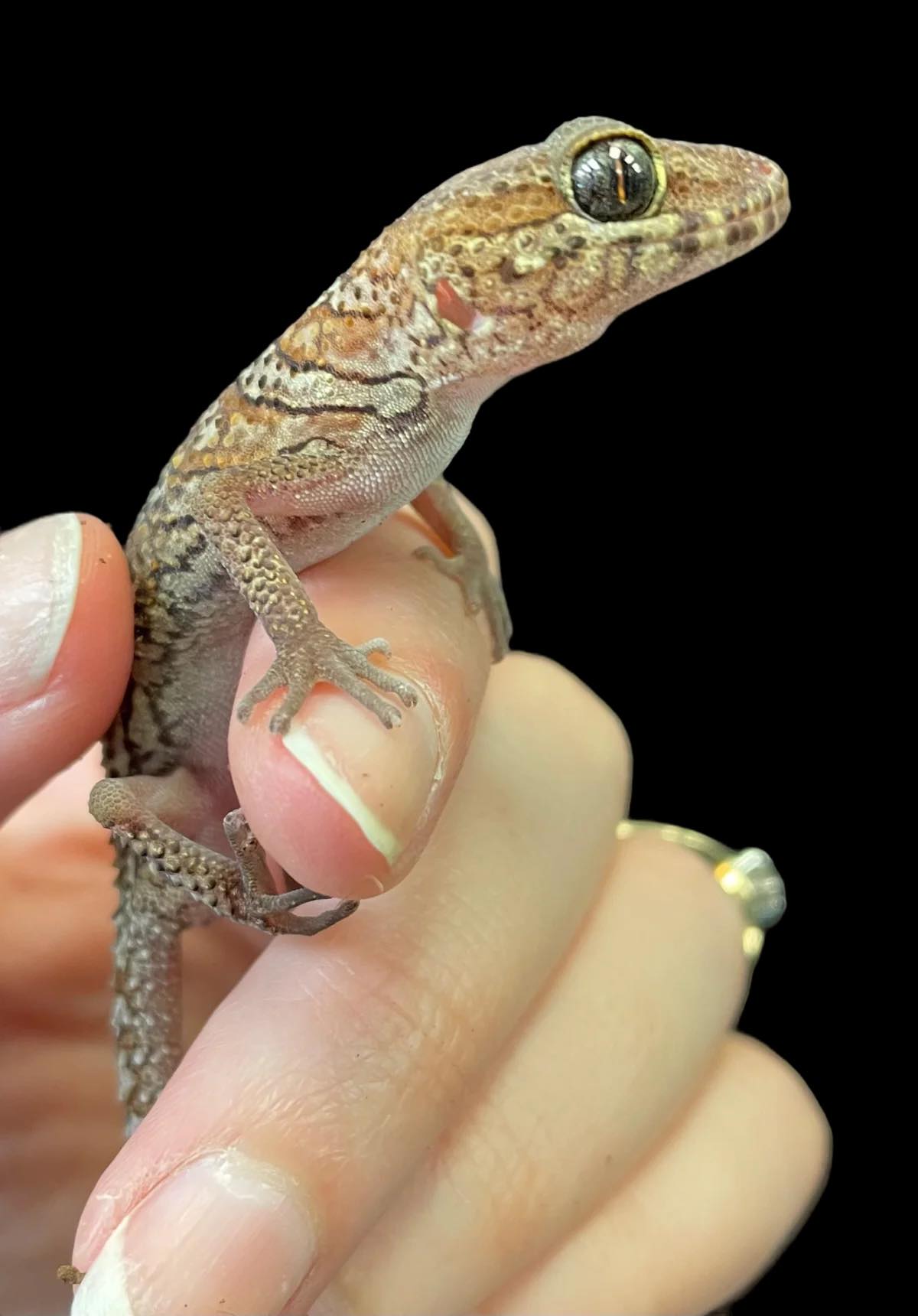
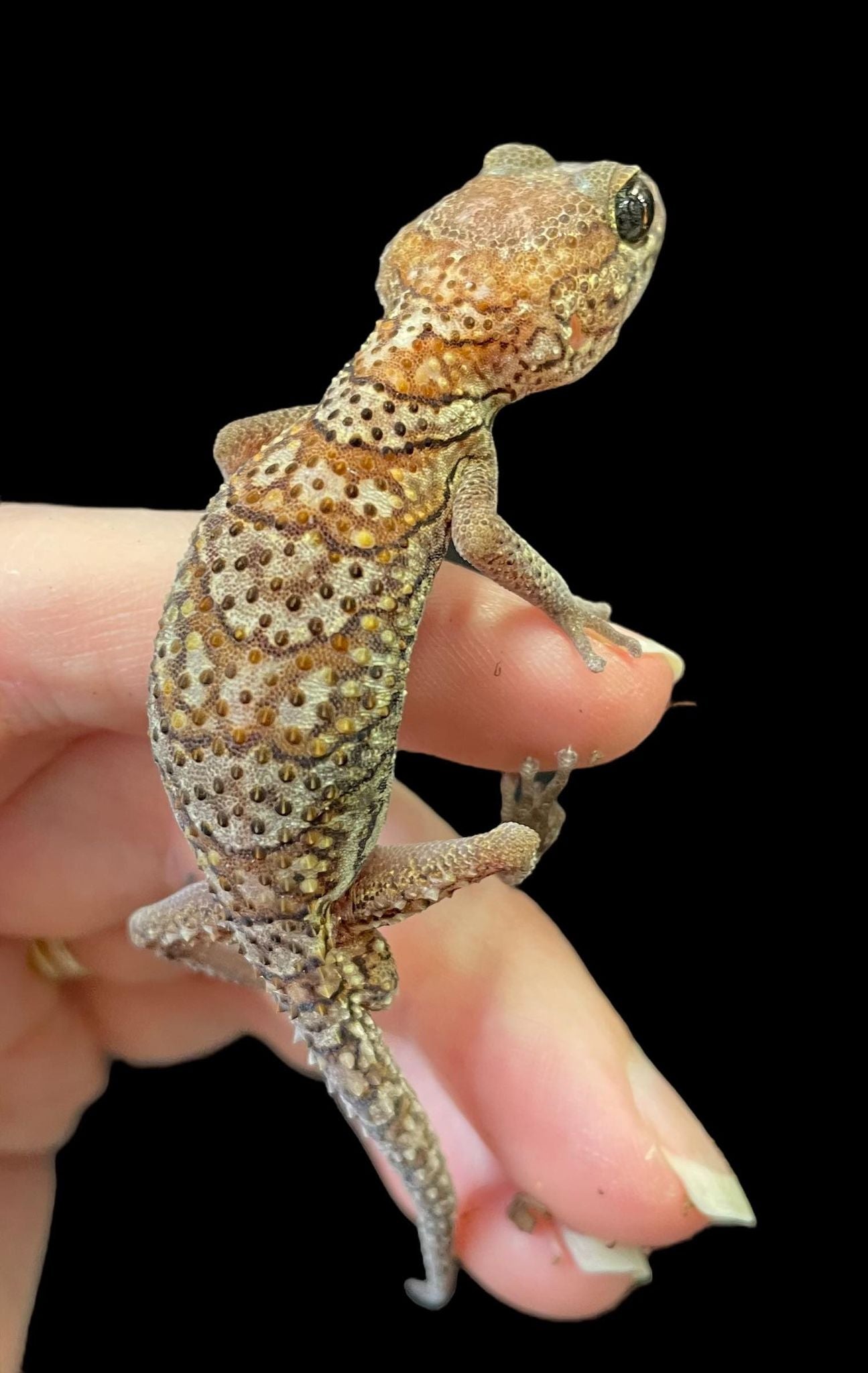
Appearance: The Pictus Gecko is a beautifully patterned species displaying a sandy tan, reddish-brown, or grey base colour marked with darker brown or black blotches and lighter cream or yellow bands across the back and tail. The head is broad and triangular with large bronze to silver eyes and vertical pupils. The skin has a fine, granular texture, while the tail is short, rounded, and capable of regeneration if dropped. Their distinctive banding provides excellent camouflage against dry forest and scrubland terrain.
Distribution: Endemic to southern and southwestern Madagascar.
Habitat: In the wild, Pictus Geckos inhabit dry forests, rocky scrublands, and semi-arid grasslands. They hide beneath bark, stones, or leaf litter during the day and emerge at night to hunt. In captivity, they thrive in semi-arid enclosures with a warm, dry environment and access to secure hides and moderate humidity.
Behaviour: Pictus Geckos are nocturnal, terrestrial, and inquisitive. They are alert but generally calm once acclimated and quickly adapt to routine feeding. While hardy and easy to keep, they are best appreciated as display animals rather than handled pets due to their agility and delicate tails.
Captive Care
Enclosure: Provide a terrestrial enclosure measuring at least 18 inches × 18 inches × 12 inches (45 × 45 × 30 cm) for a single adult. Use a sandy soil or clay-based substrate 2–3 inches deep for burrowing. Include cork bark, flat stones, and driftwood to create secure hides and basking areas.
Temperature & Humidity: Maintain a daytime temperature gradient of 78–86°F (26–30°C) with a basking area near 90°F (32°C). Nighttime temperatures can drop to 70–74°F (21–23°C). Keep humidity around 50–70%, achieved with light evening misting and a humid hide to assist with shedding. Ensure adequate ventilation to prevent stagnant air.
Lighting: Though nocturnal, Pictus Geckos benefit from low-level UVB lighting (2–5%) to support calcium metabolism and maintain a natural circadian rhythm. Use a 12-hour light/dark cycle.
Diet: Feed a varied diet of gut-loaded insects such as crickets, roaches, mealworms, and silkworms. Adults should be fed 3–4 times per week, while juveniles require smaller, more frequent feedings. Dust all prey with calcium and multivitamin supplements regularly.
Behaviour in Captivity: Pictus Geckos are active hunters that display lively behaviour once the lights dim. With proper care, they are hardy, adaptable, and thrive for many years in captivity. Their striking appearance and manageable size make them an excellent species for both novice and experienced keepers.
Special Considerations: Avoid excessive humidity or handling. Provide secure hides and stable warmth to reduce stress. Handle only when necessary, as tail autotomy (tail dropping) is a common defensive response.
Taxonomy Note
The Pictus Gecko (Paroedura picta) belongs to the family Gekkonidae and is one of Madagascar’s most well-known terrestrial geckos. It is closely related to Paroedura bastardi and Paroedura stumpffi, and often referred to as the Madagascar Ground Gecko or Panther Gecko. Its manageable size, calm temperament, and natural beauty make it a popular choice in herpetoculture.
Genetics Note
Paroedura picta has a few recognized genetic colour variations in captivity, most notably the Amelanistic (Amel) form, which displays orange and cream tones due to the absence of black pigment. Natural variation in colour and pattern also occurs among wild populations, influenced by locality and environmental conditions.