


Photo Disclaimer
Description
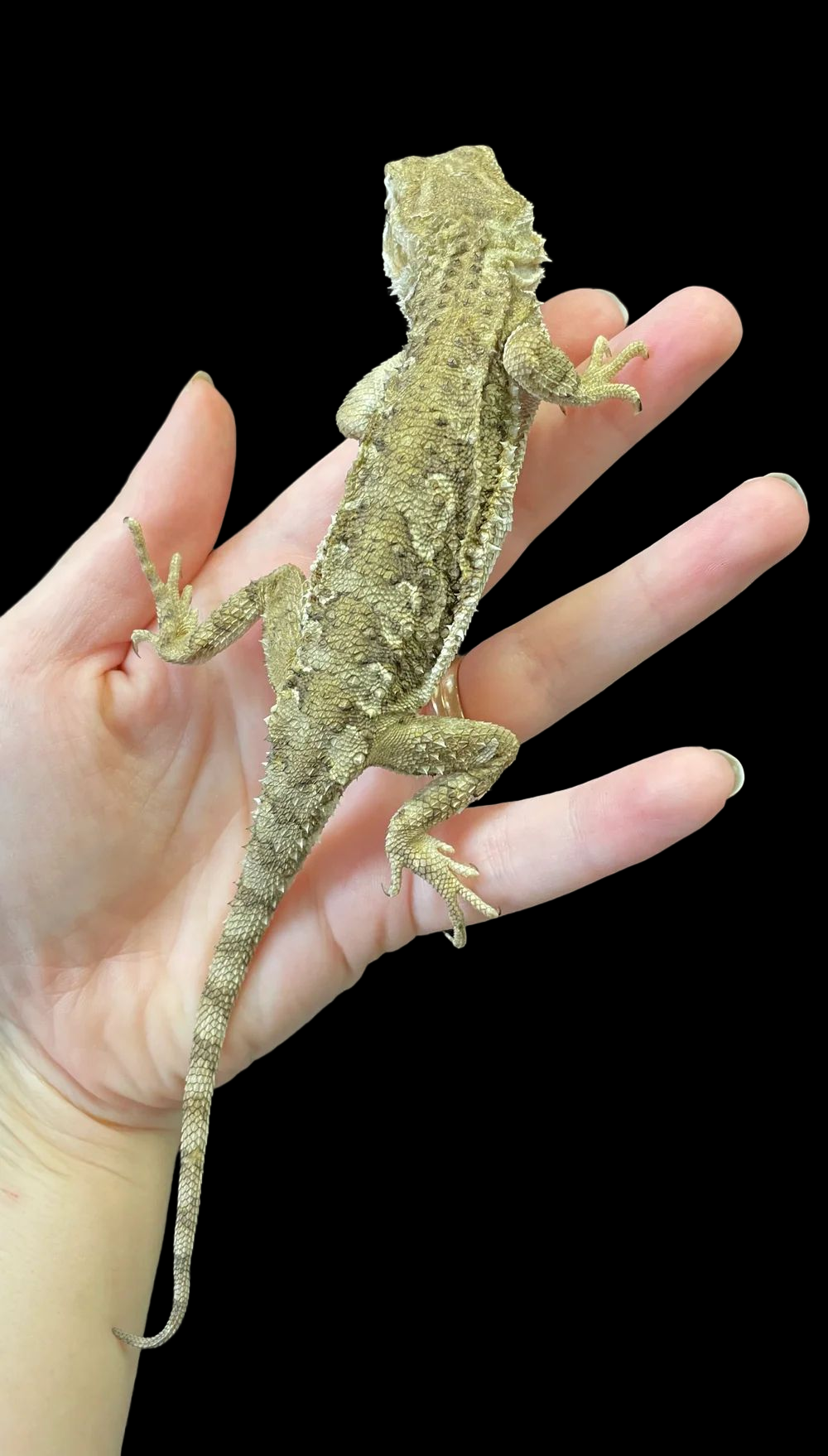
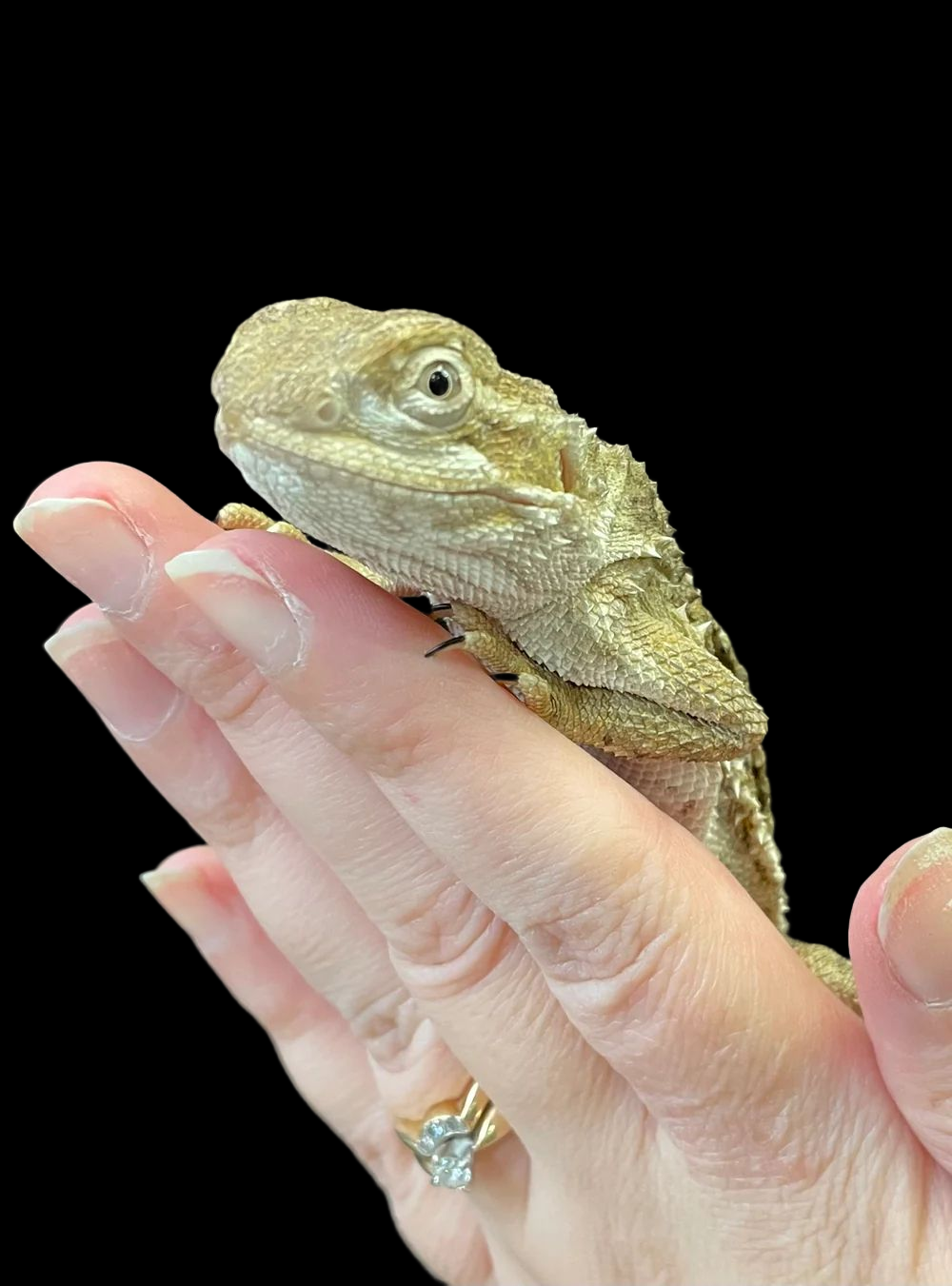
Rankin’s Dragon
Scientific Name: Pogona henrylawsoni
Common Name: Rankin’s Dragon, Lawson’s Dragon
Species Overview
Size: Adults typically reach 10 to 12 inches (25 to 30 cm) in total length, making them significantly smaller than Bearded Dragons.
Appearance: Rankin’s Dragons are compact, sturdy lizards with a triangular head, smooth to lightly spined body, and a proportionally shorter tail. Their colours range from sandy tan to warm brown, often with faint banding or speckling across the back and limbs. They maintain the classic “bearded” appearance when displaying but have a softer, more delicate overall look than Pogona vitticeps. Their small size and calm appearance make them popular among keepers seeking a manageable desert species.
Distribution: Native to Queensland, Australia, primarily in arid to semi-arid regions.
Habitat: This species inhabits rocky outcrops, scrublands, dry forest edges, and open desert plains. Their environment is characterized by strong sunlight, low humidity, and warm daytime temperatures. They use rocks, burrows, and vegetation for shelter and thermoregulation.
Behaviour: Rankin’s Dragons are diurnal, social within loose group structures, and highly observant. They bask frequently, explore their surroundings actively, and may perform head-bobs, arm waves, or colour shifts during communication. They are gentler and often more active than Bearded Dragons, making them engaging display animals.
Captive Care
Enclosure: Provide an enclosure at least 36 × 18 × 18 inches (90 × 45 × 45 cm) for a single adult, though a 4 × 2 × 2 feet (120 × 60 × 60 cm) enclosure is ideal for enhanced space and enrichment. Furnish with basking rocks, branches, stacked hides, and sandy soil–based substrate appropriate for arid species, remaining dry on top. Ensure strong ventilation to maintain low humidity.
Temperature and Humidity:
Basking area: 105 to 115°F (40 to 46°C)
Warm side: 90 to 95°F (32 to 35°C)
Cool side: 75 to 82°F (24 to 28°C)
Night temperatures: 65 to 72°F (18 to 22°C)
Humidity: 20 to 40%, reflecting their desert origin.
Lighting: Provide bright full-spectrum lighting with strong UVB (10 to 12%). Intense light supports natural activity, bone health, and proper digestion.
Diet: Offer a mixture of insects (crickets, roaches, black soldier fly larvae, mealworms, superworms, silkworms) and greens (collard greens, mustard greens, dandelion greens, squash). Juveniles require more insect protein, while adults thrive with a higher proportion of leafy vegetables. Supplement with calcium frequently and multivitamins weekly.
Behaviour in Captivity: Rankin’s Dragons are curious, active, and generally calm. They make excellent display animals and typically tolerate gentle handling. They enjoy climbing, basking, and interacting visually with keepers.
Special Considerations:
• Avoid housing multiple males together.
• Provide climbing options to support natural exploration.
• Maintain a deep, secure substrate layer for digging behaviour.
• Ensure high-quality UVB to prevent metabolic issues.
Taxonomy Note
Rankin’s Dragons belong to the genus Pogona, which includes several Australian agamids such as the Bearded Dragon (P. vitticeps). Pogona henrylawsoni is the smallest species in the group, named in honour of Australian author Henry Lawson.
Genetics Note
There are no widely recognised morphs for Pogona henrylawsoni. While captive lines may show variation in colour tone or pattern clarity, these represent natural variation rather than established selective morphs.