


Photo Disclaimer
Description
Red-spotted Toad
Scientific Name: Anaxyrus punctatus
Common Name: Red-spotted Toad
Species Overview
Size: Adults typically reach 1.5 to 3 inches (4 to 7.5 cm), with females slightly larger than males.
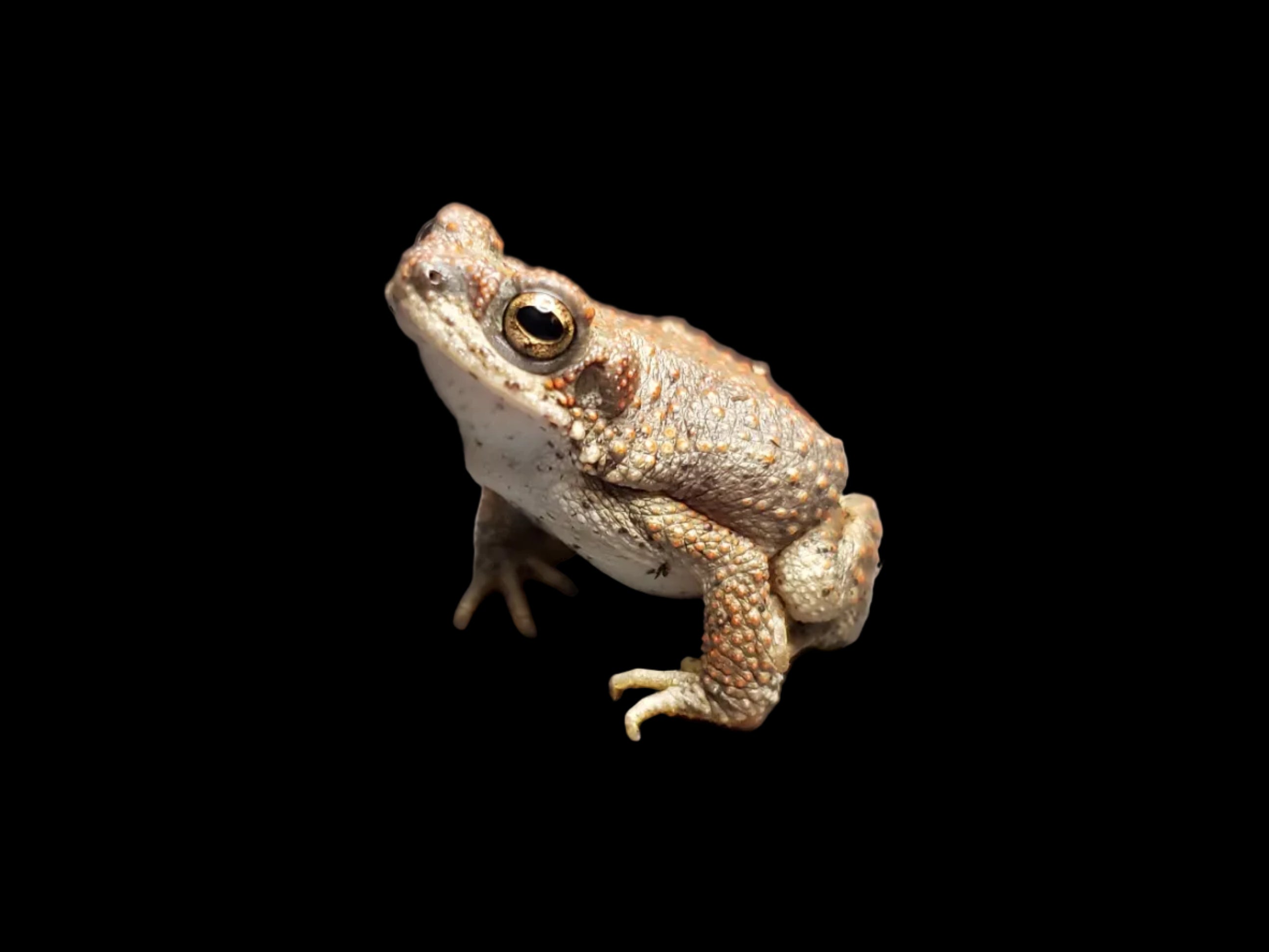
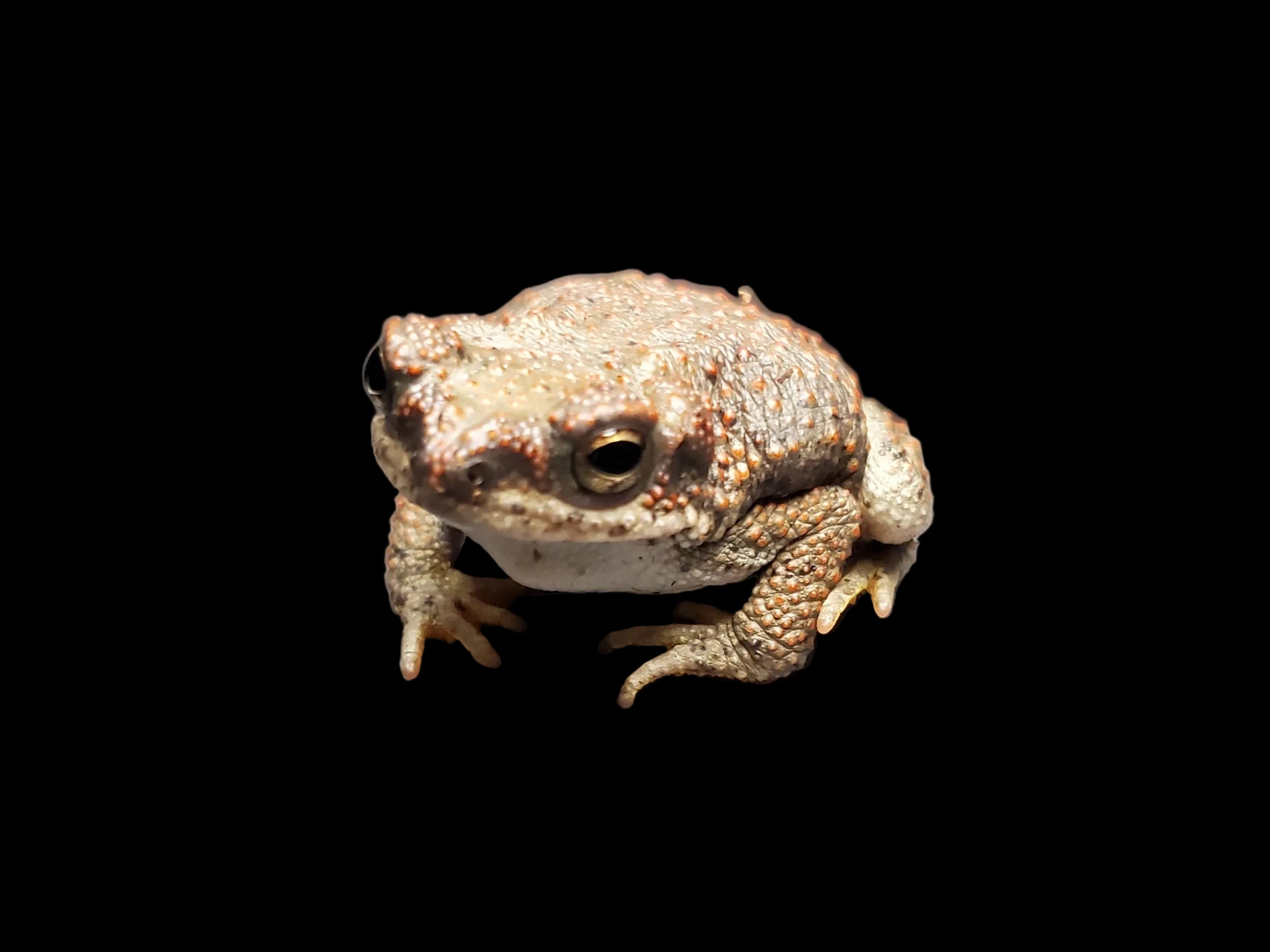
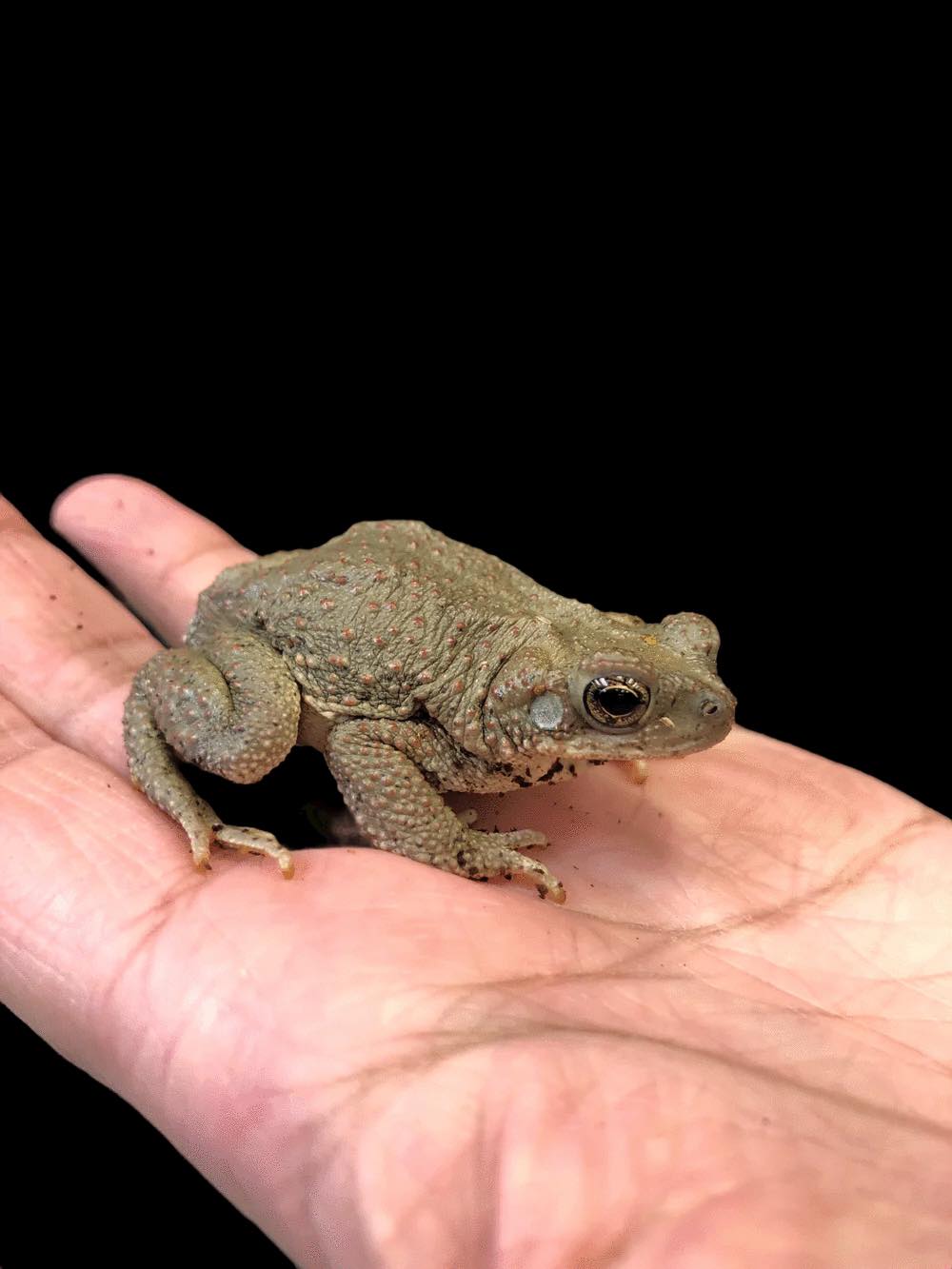
Appearance: The Red-spotted Toad is a small, slender species characterised by fine granular skin and numerous tiny red or orange spots scattered across the back. The base colour ranges from grey and olive to tan or light brown, often blending with desert soils. The body is more elongated than that of many other North American toads, with a narrower head and reduced parotoid glands that are rounded rather than elongated. The underside is pale and generally unmarked. Juveniles show especially bright spotting, which may fade slightly with age.
Distribution: Native to the southwestern United States and northern Mexico, including Arizona, California, Nevada, New Mexico, Utah, and Baja California.
Habitat: Wild individuals inhabit rocky washes, desert canyons, arid grasslands, and scrub habitats, especially near seasonal or temporary water bodies. They are well adapted to dry climates and spend much of their lives hidden in burrows or beneath rocks. In captivity, they require warm, semi-arid conditions with deep substrate.
Behaviour: Primarily nocturnal, Red-spotted Toads emerge at night to forage for small insects. Their movements are quick and agile, and they often hop short distances repeatedly rather than walking. They rely on camouflage and stillness when threatened. They are solitary and very fossorial, capable of burrowing quickly to avoid heat or danger.
Captive Care
Enclosure: A single adult can be housed in an 18 × 18 × 18 inches (45 × 45 × 45 cm) enclosure. Provide a deep, slightly moist soil or soil–sand mix with abundant leaf litter to support burrowing. Add rocks, cork flats, and small plants to create secure hiding spots. A shallow water dish for soaking should always be available. For keeping multiple individuals, upgrading to 24 × 18 × 18 inches (60 × 45 × 45 cm) is recommended.
Temperature and Humidity:
Ambient temperature: 75 to 84°F (24 to 29°C)
Warm area: 86 to 90°F (30 to 32°C)
Night temperature: 65 to 72°F (18 to 22°C)
Humidity: 40 to 60%, with light misting. Avoid excessive moisture, as this species is adapted to arid habitats.
Lighting: Provide low-level UVB (2 to 5%) with diffused lighting. Maintain a natural day and night cycle, ensuring shaded retreats are always available.
Diet: Offer small prey such as crickets, roaches, worms, black soldier fly larvae, and other suitably sized invertebrates. Supplement prey with calcium and multivitamins. Juveniles feed more frequently, while adults thrive on a moderate schedule.
Behaviour in Captivity: Red-spotted Toads are hardy and adapt well to semi-arid setups. They spend much of the day burrowed and become active nocturnal hunters after dark. Handling should be avoided due to their small size and sensitive skin.
Genetics Note
There are no recognised morphs for the Red-spotted Toad. Natural variation appears in the brightness and density of the red spotting, as well as base colour tone, but these traits reflect locality differences rather than defined genetic morphs.