


Photo Disclaimer
Description
Satanic Leaf-Tailed Gecko (Uroplatus phantasticus)
Scientific Name: Uroplatus phantasticus
Common Name: Satanic Leaf-Tailed Gecko
Species Overview
Size: Adults typically reach 4 to 5 inches (10 to 13 cm) in total length, making them one of the smallest members of the Uroplatus genus.
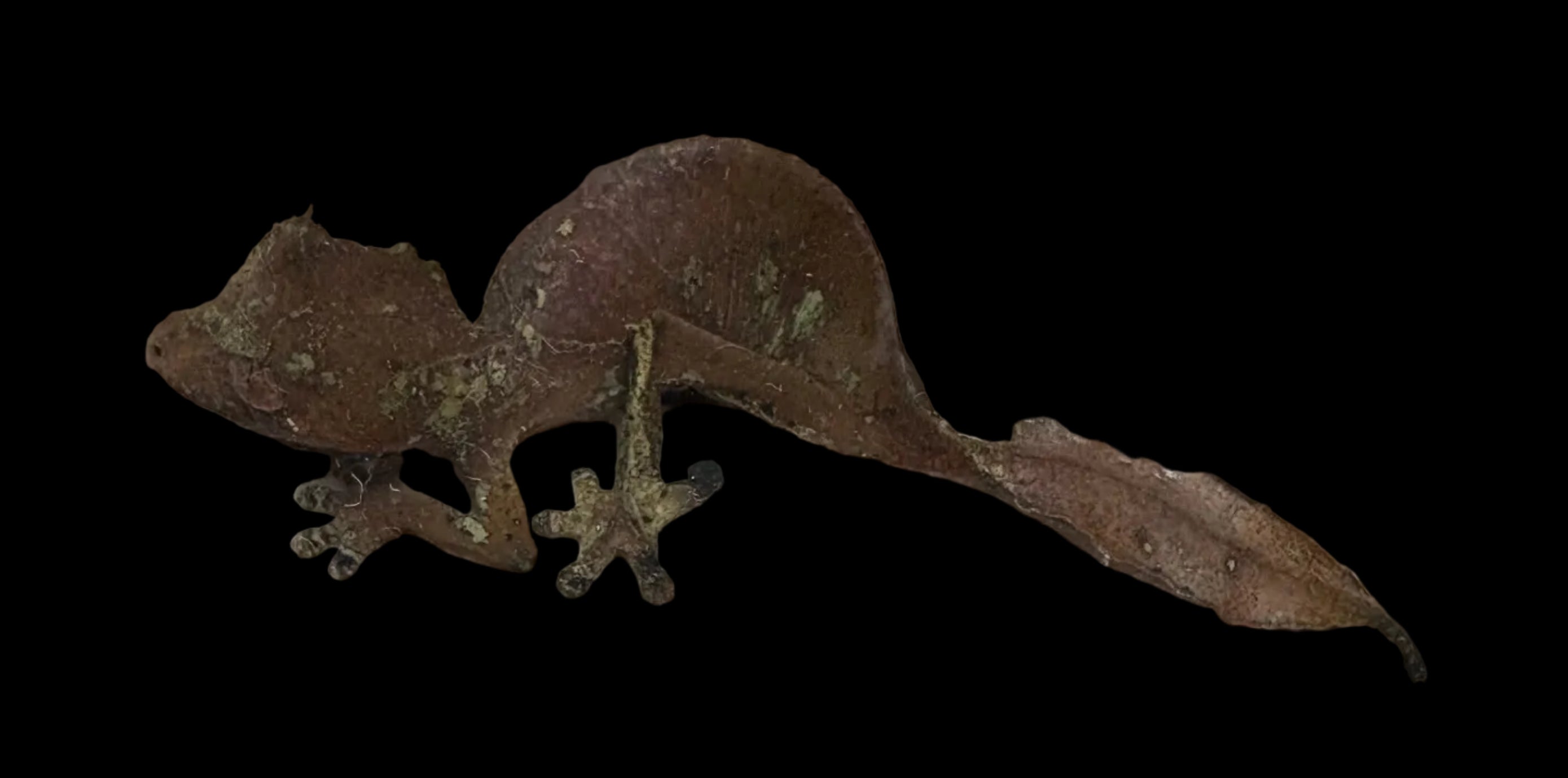
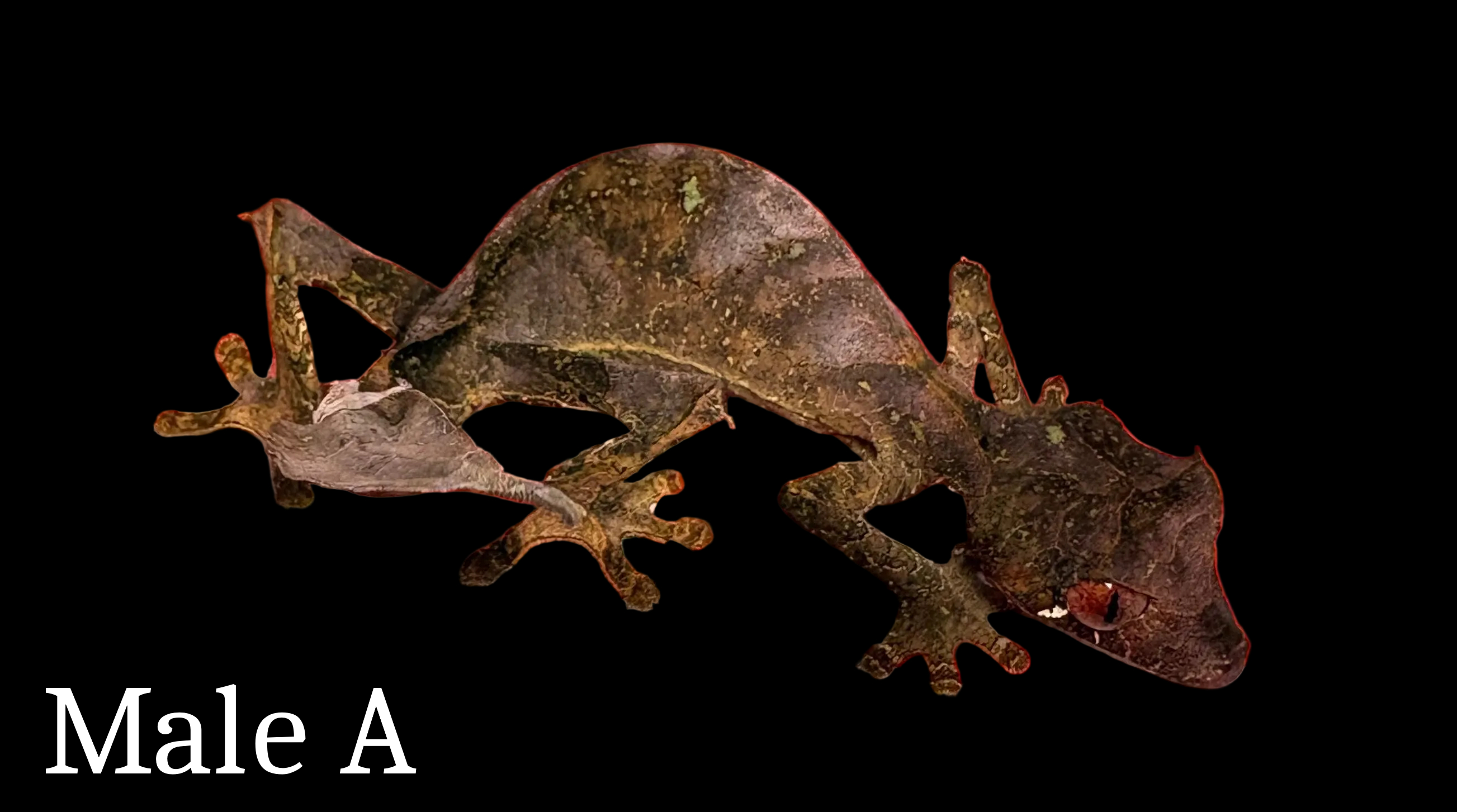
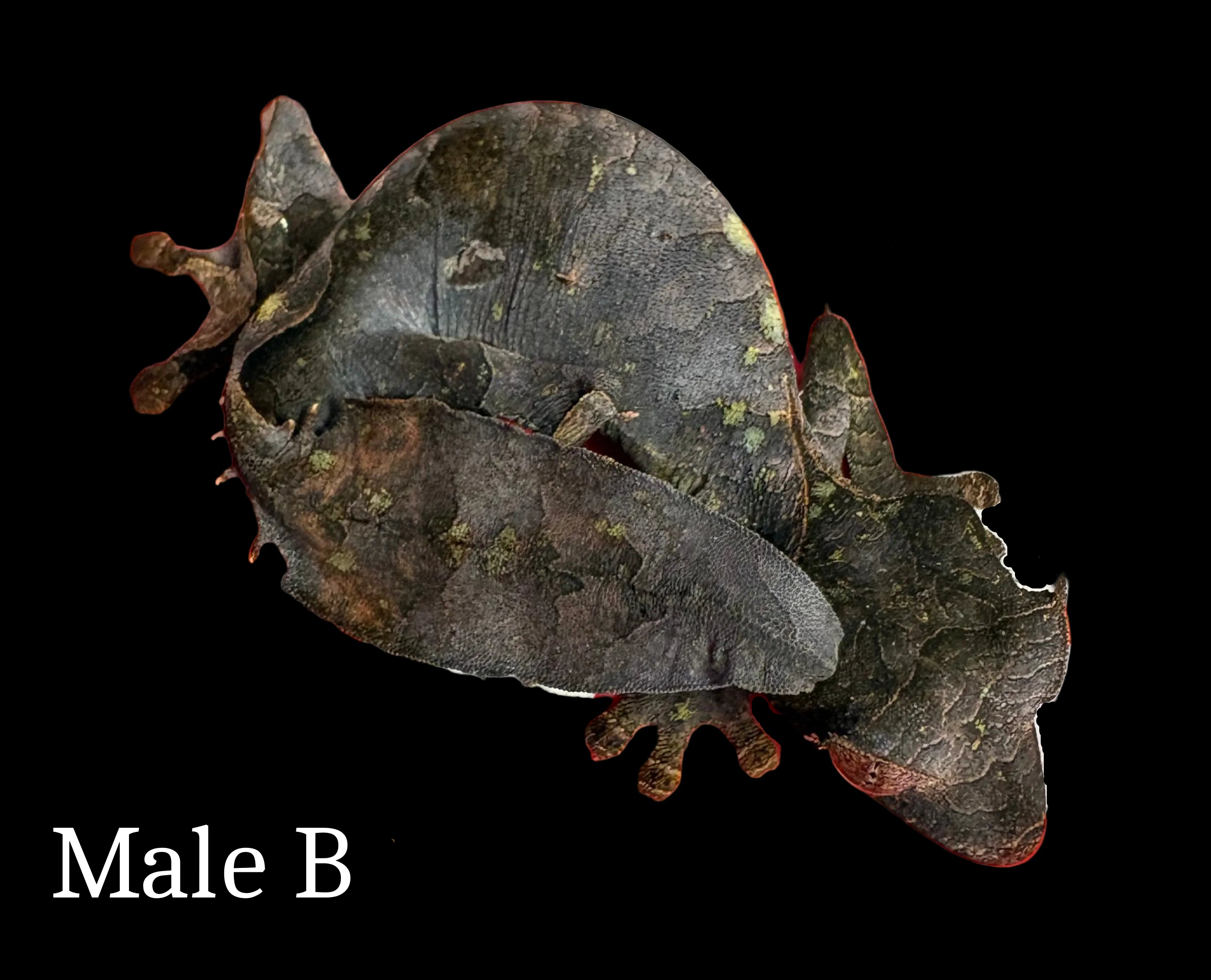
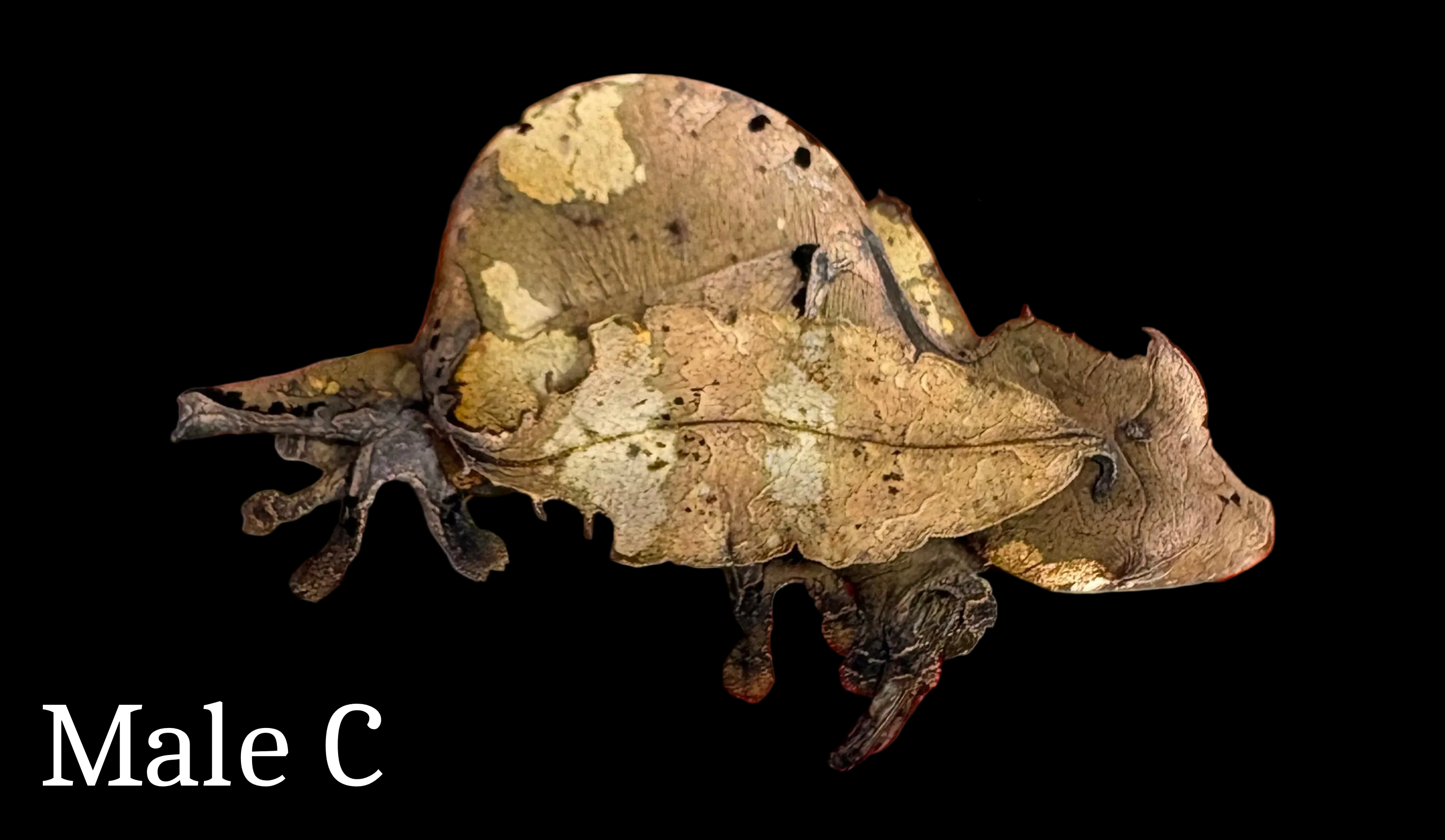
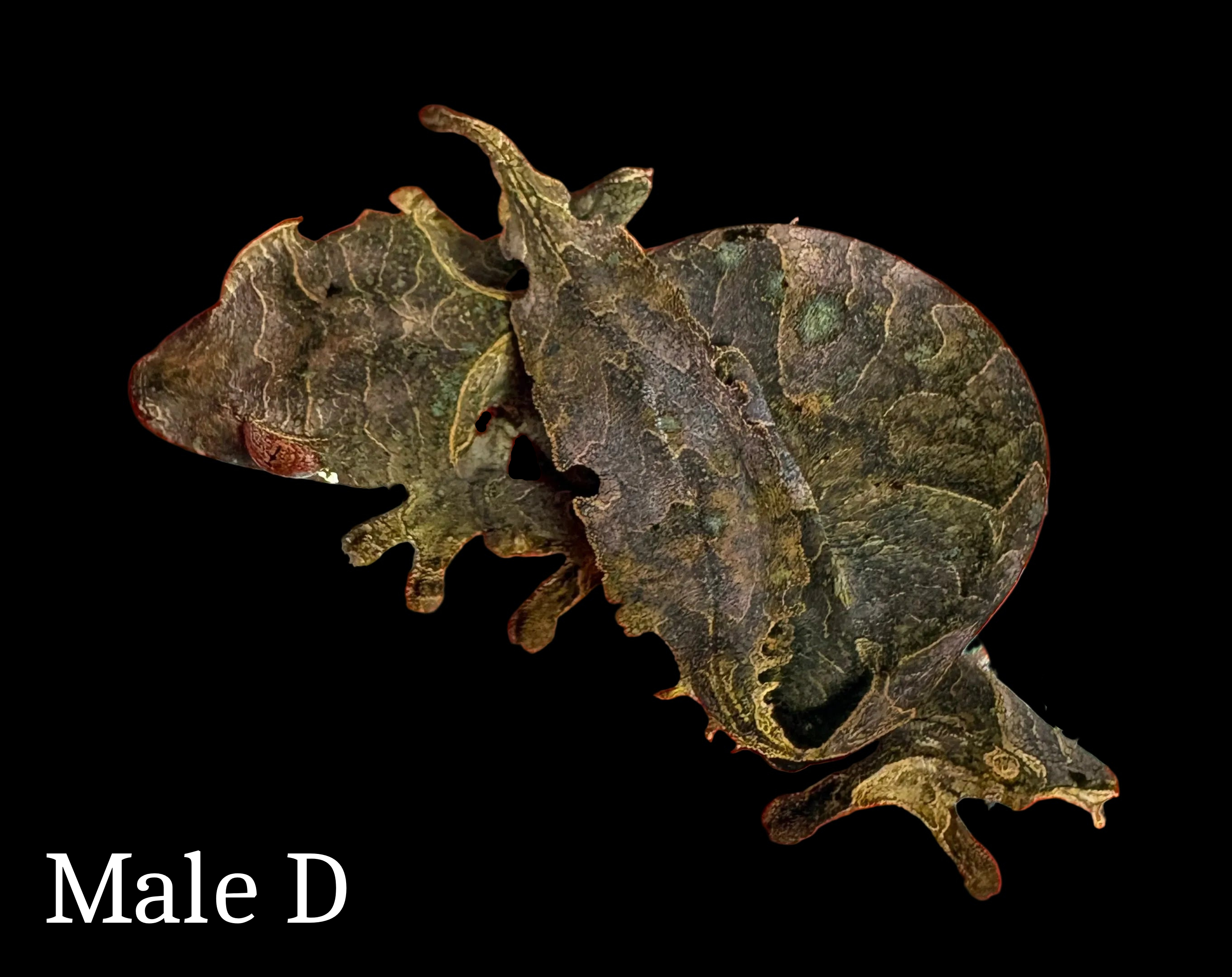
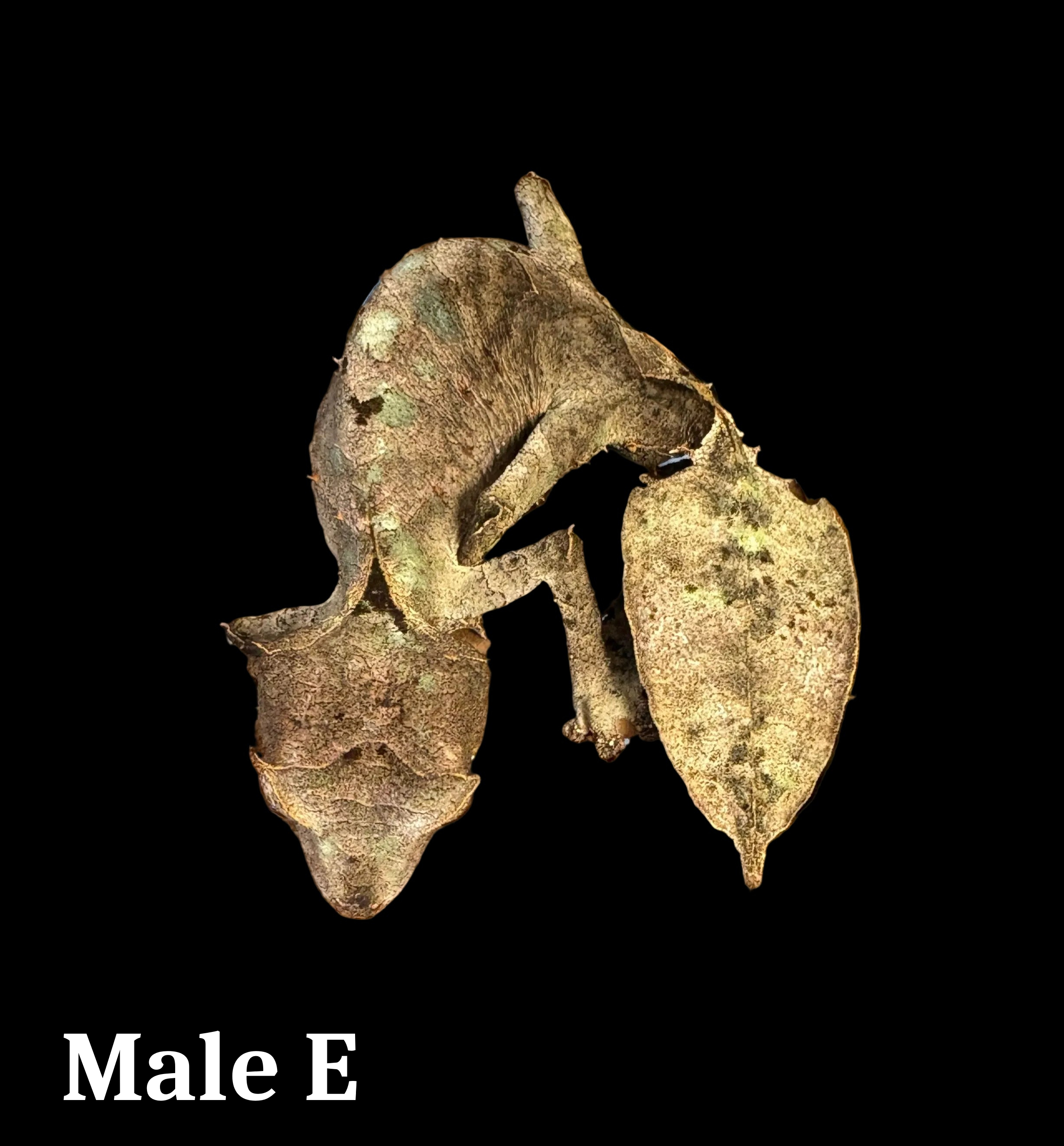
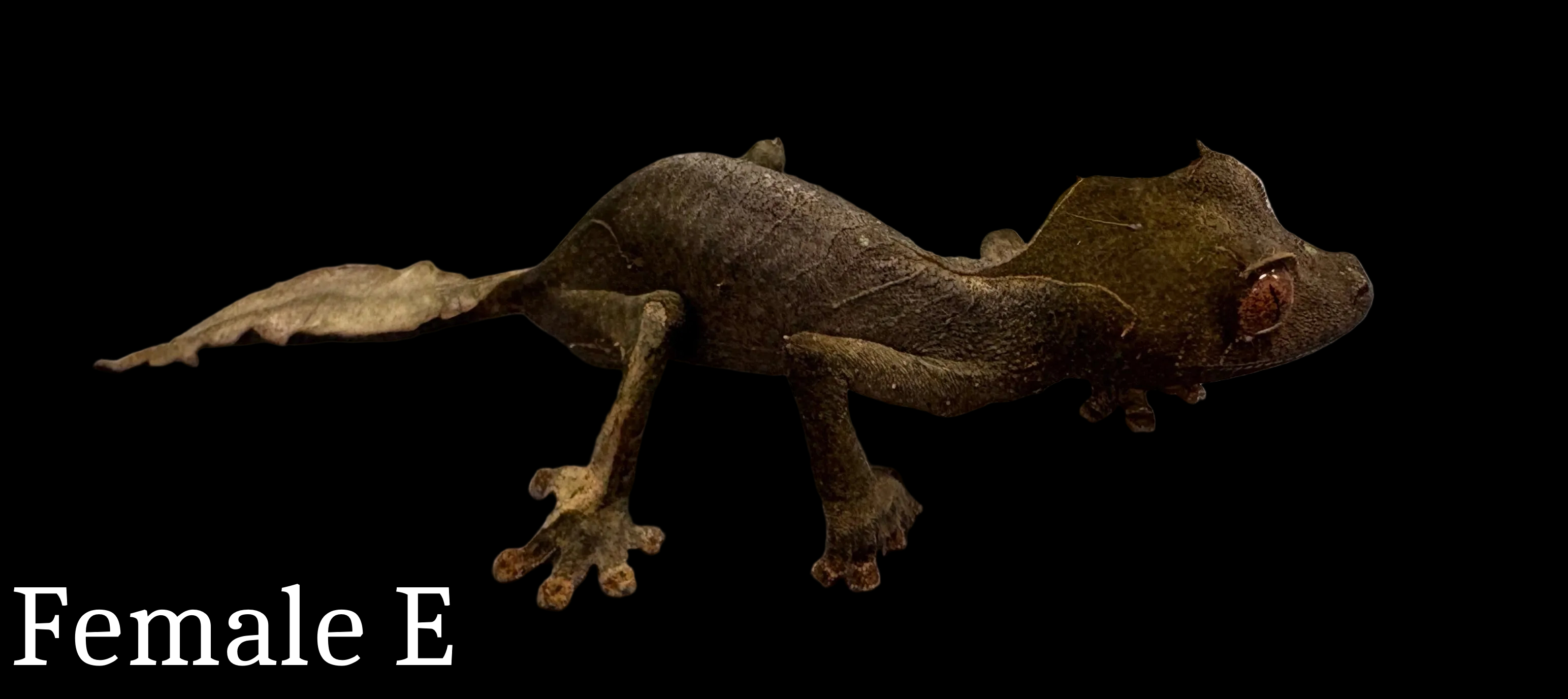
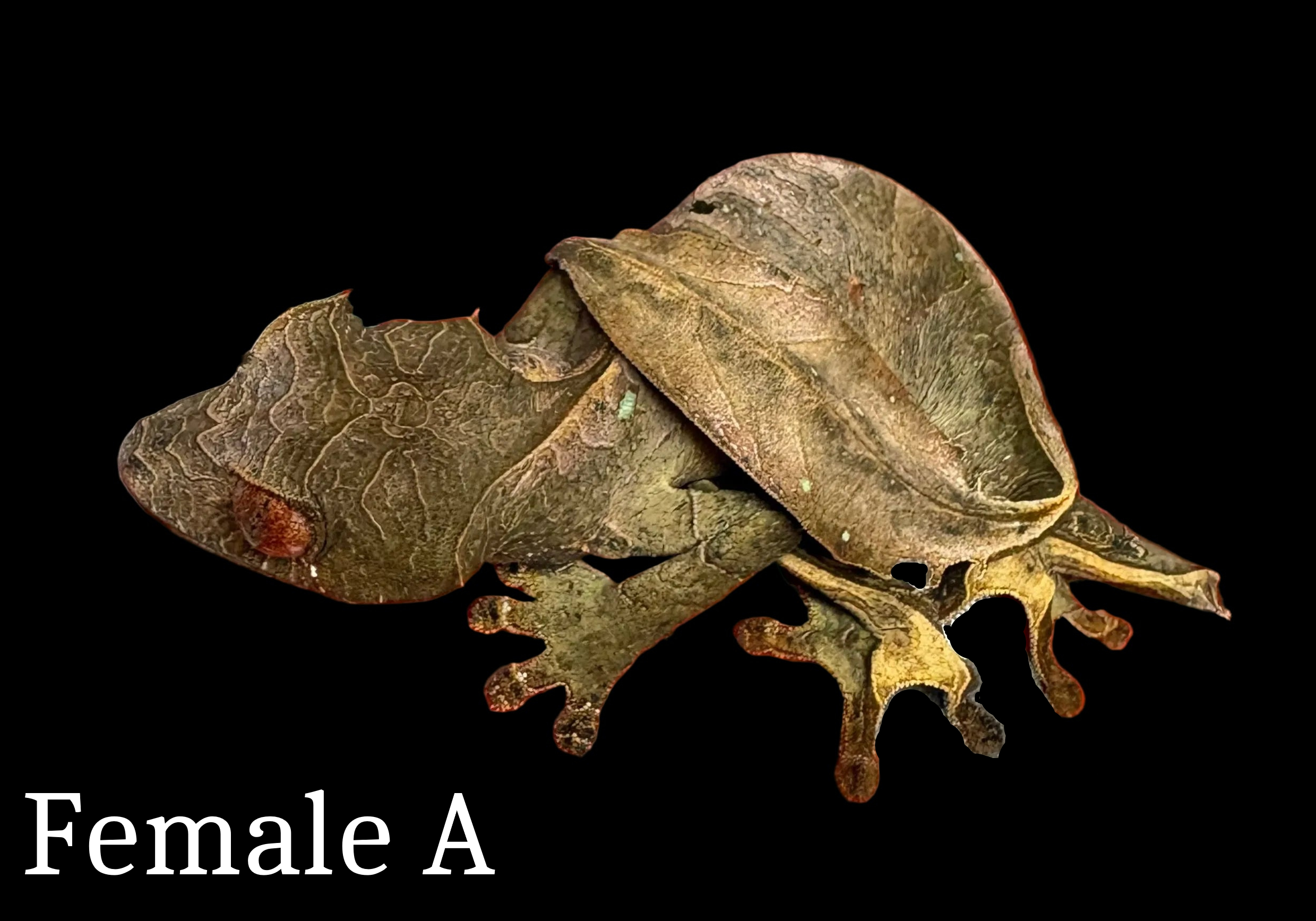
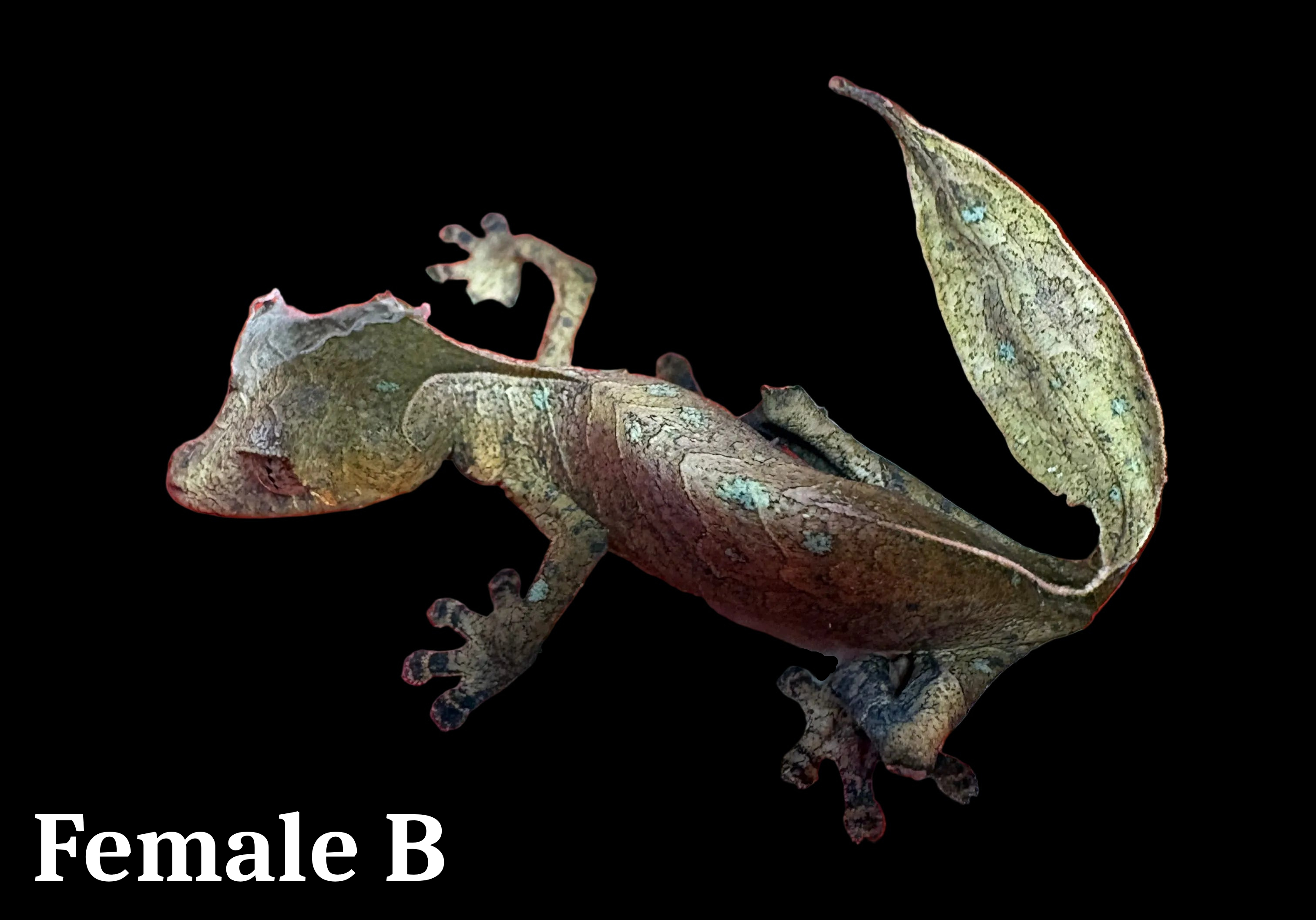
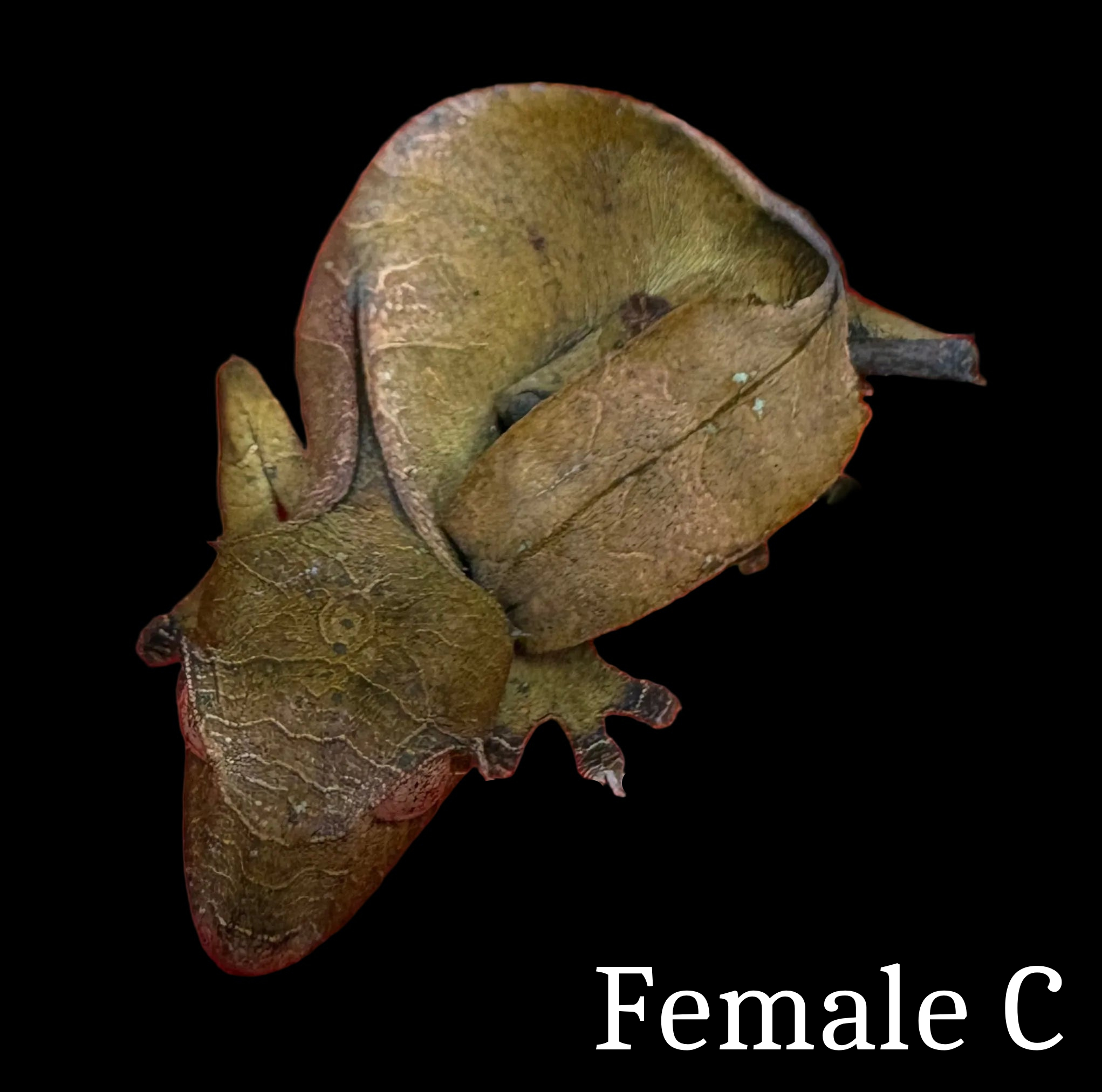
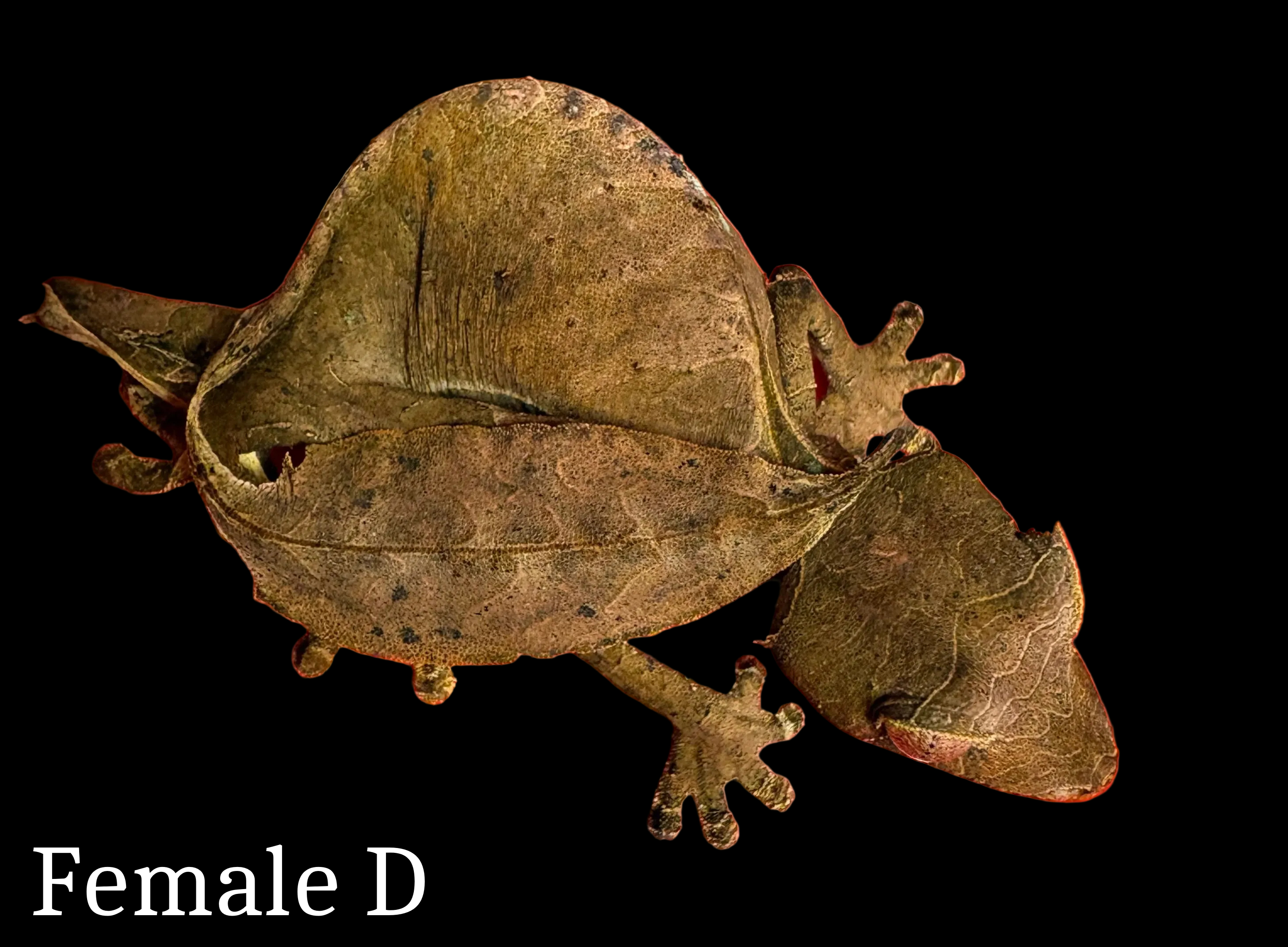
Appearance: The Satanic Leaf-Tailed Gecko is named for the pair of small horn-like extensions above the eyes and the eyes that shift to red when fired up. Its body is flattened and highly camouflaged. Colouration ranges from warm browns and reddish tones to mottled greys, often resembling dried leaves. The tail is distinctly shaped to resemble a dried ficus leaf, and males will even have notches on the edges of the tail that resemble insect predation. Their head is triangular with large, expressive eyes suited for nocturnal vision. Their compact size and natural camouflage make them exceptionally well adapted to rainforest life.
Distribution: Native to northern and central-eastern Madagascar, including humid lowland and montane forest regions.
Habitat: This species occupies rainforest environments where it rests motionless during the day along branches, or within the dense foliage of bushes. In captivity, they require tall, naturalistic setups with vertical surfaces, thin branches, bark panels, and heavy plant cover.
Behaviour: Satanic Leaf-Tailed Geckos are nocturnal, secretive, and slow-moving. They rely heavily on camouflage and tend to freeze when threatened. They should not be handled and are best appreciated as display animals.
Captive Care
Enclosure: A vertically oriented enclosure measuring 18 inches × 18 inches × 24 inches (45 × 45 × 60 cm) is ideal for a single adult or a small pair. Furnish the enclosure with cork bark sheets, thin branches, leaf litter, and dense foliage. Ficus and Schefflera are frequently used. A soil or bioactive substrate helps maintain humidity and create natural microclimates.
Temperature & Humidity: Maintain daytime temperatures of 72 to 78°F (22 to 26°C), with nighttime drops to 68 to 72°F (20 to 22°C). Avoid high heat entirely, as this species is sensitive. Humidity should remain between 70 and 90%, with frequent misting to provide hydration and sustain moisture levels.
Lighting: Provide low UVB (2 to 5%) for 12 hours daily. Though nocturnal, Uroplatus geckos benefit from gentle UV exposure. Lighting should be diffuse and cool to avoid stressing the gecko.
Diet: Offer small, soft-bodied insects such as crickets, roaches, silkworms, black soldier fly larvae, and moths. Juveniles should be fed daily, while adults can be fed every 2 to 3 days. All insects must be gut-loaded and dusted with calcium and multivitamins. Hydration is primarily obtained from mist droplets rather than water dishes.
Behaviour in Captivity: When provided with stable humidity, dense cover, and minimal disturbance, these geckos thrive. They perch on vertical surfaces, utilise foliage for hiding, and hunt slowly and deliberately at night.
Special Considerations: Satanic Leaf-Tailed Geckos are sensitive to dehydration, heat stress, and poor airflow. Handling should be avoided. Ensure the enclosure has strong ventilation even with high humidity.
Taxonomy Note
The Satanic Leaf-Tailed Gecko belongs to the genus Uroplatus, a group of highly specialised Madagascan geckos that exhibit extreme camouflage and unique nocturnal behaviours. Uroplatus phantasticus is among the smallest members of the genus and is adapted to resemble dried foliage.
Genetics Note
There are no recognised morphs or selectively bred variants of the Satanic Leaf-Tailed Gecko. Natural locality-based variation exists in colour and subtle pattern differences, but no formal morphs are present in the pet trade.
Estimate shipping