


Photo Disclaimer
Description
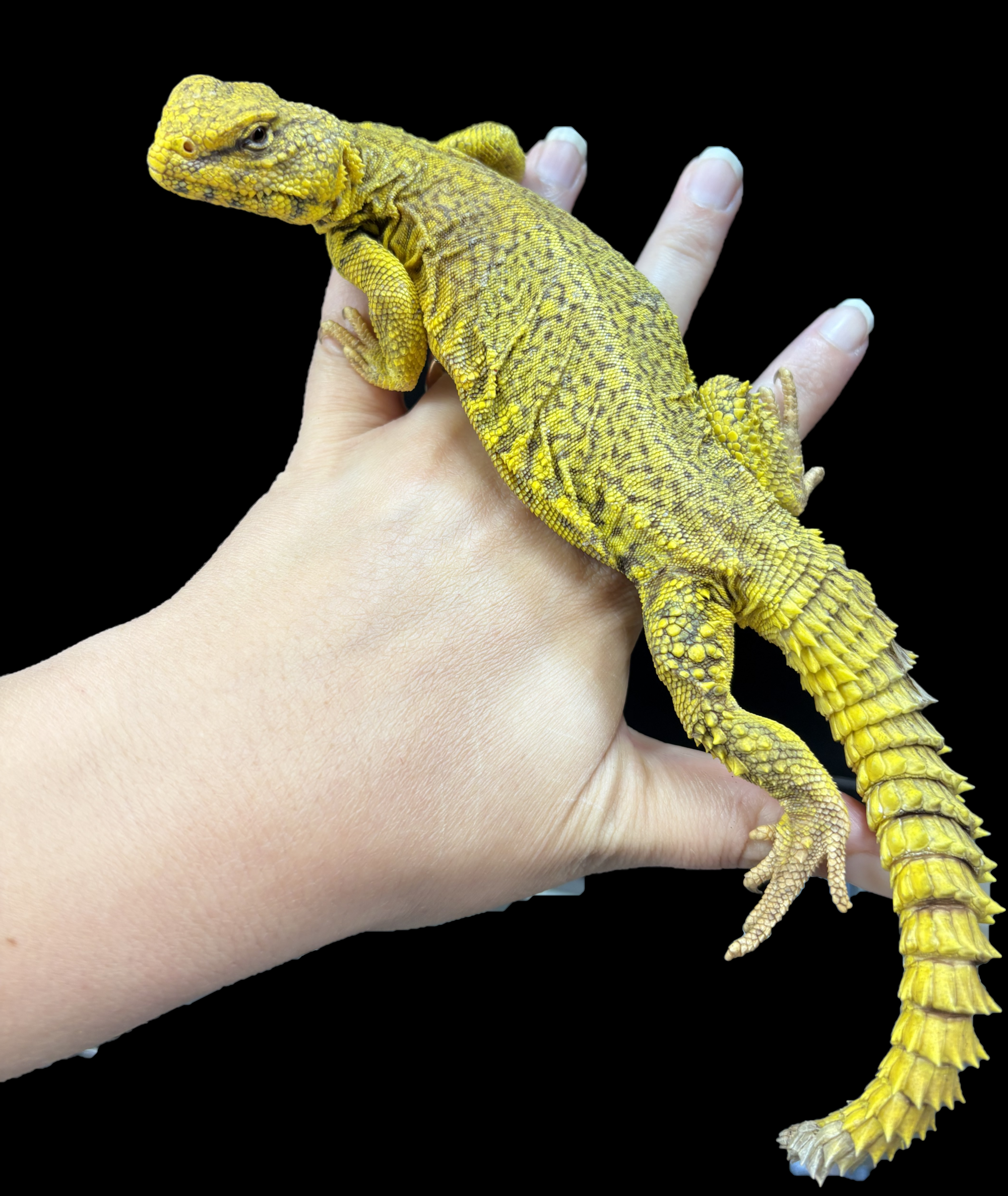
Saharan Yellow Uromastyx
Scientific Name: Uromastyx geyri
Common Name: Saharan Yellow Uromastyx, Yellow Geyri Uromastyx
Species Overview
Size: Adults typically reach 10 to 14 inches (25 to 36 cm) in total length, with males often slightly larger and more robust.
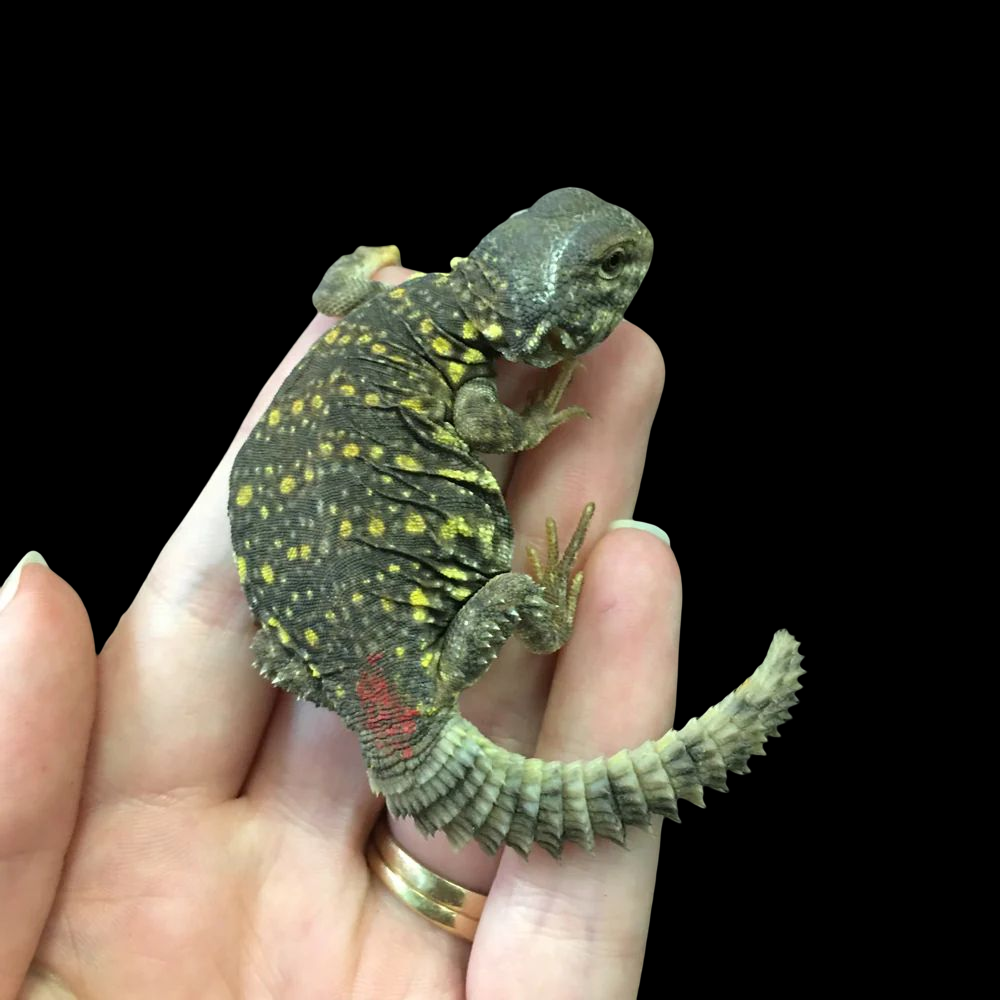
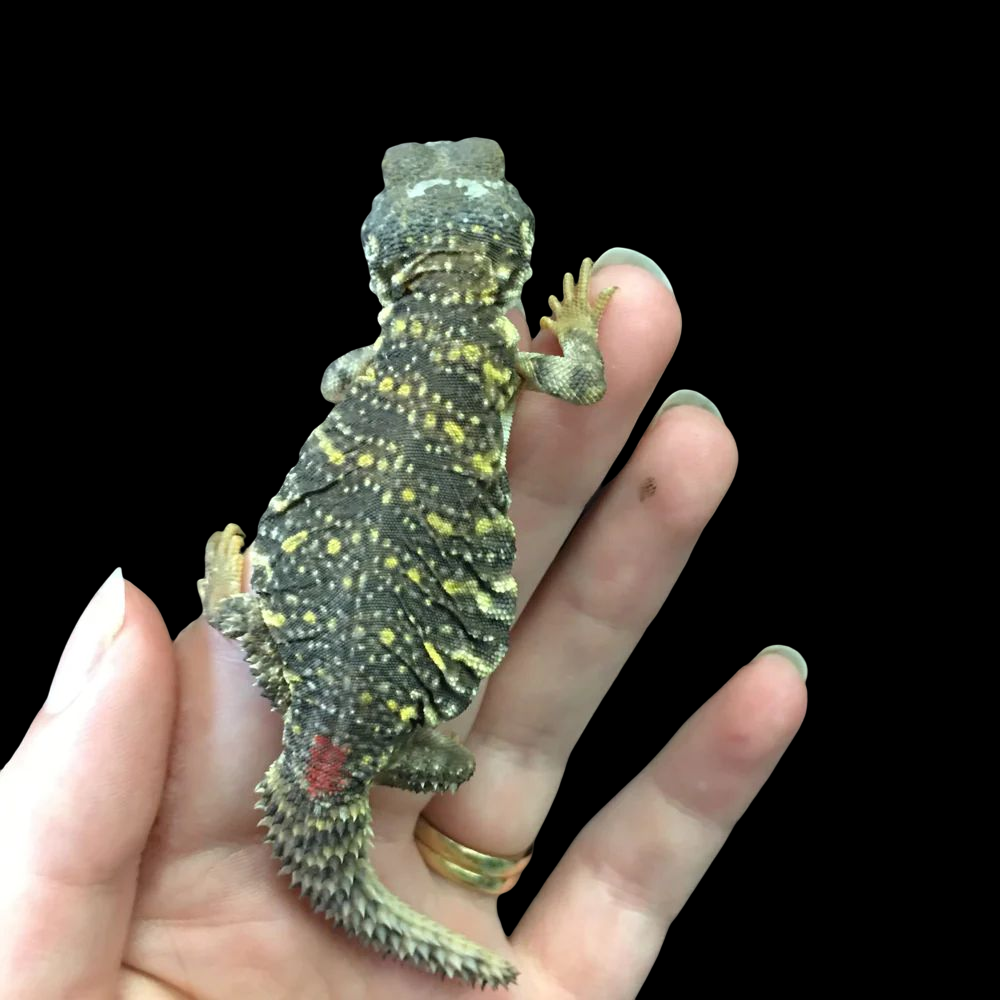
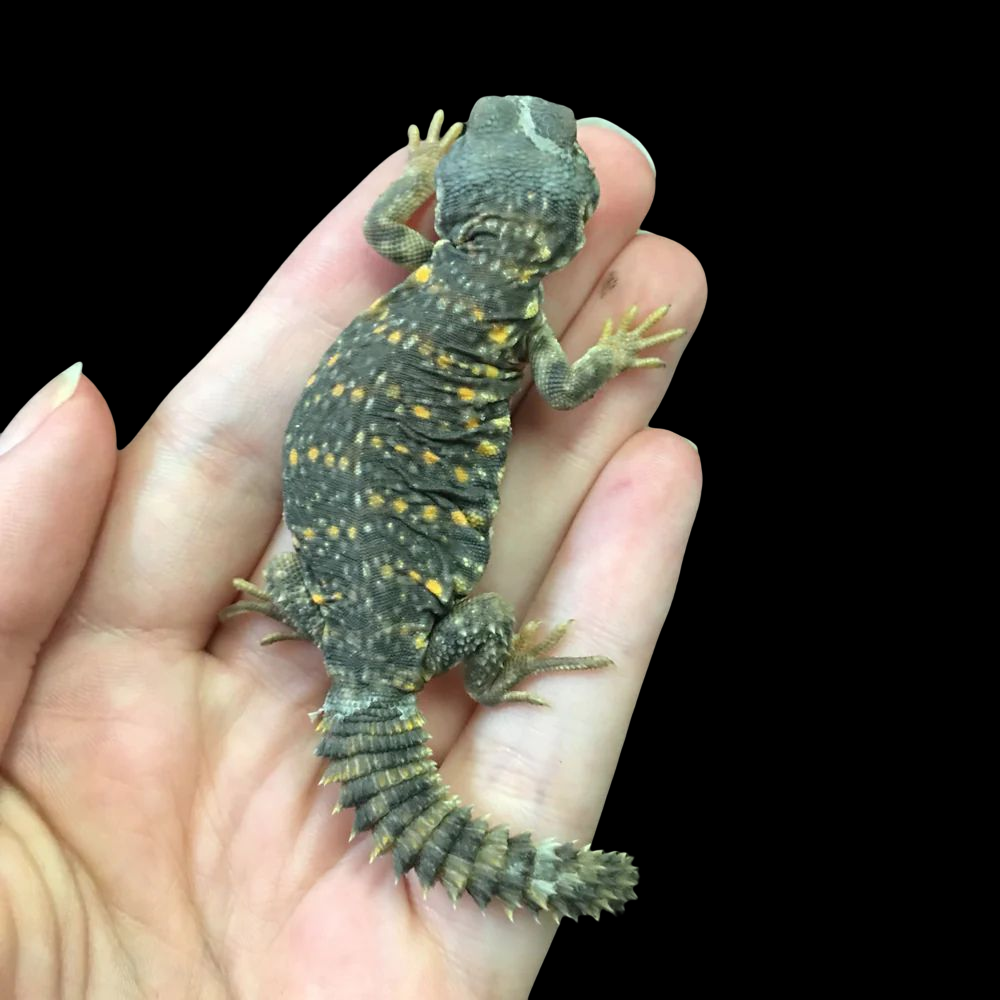
Appearance: The Saharan Yellow Uromastyx is a vibrant colour form of Uromastyx geyri, displaying bright yellow, gold, or lemon-toned patterning across the back. These colours often appear in reticulated or net-like patterns over a pale or sandy base. Females are generally softer in colour, showing mustard, tan, or warm yellow highlights. Like all Uromastyx, they have a heavy, muscular body, broad head, and a thick, spiny tail used for defence. Under proper lighting, their yellow tones intensify, making them one of the most visually striking desert species.
Distribution: Native to the central Sahara, particularly regions of Niger and Mali.
Habitat: This species inhabits rocky desert plateaus, sun-exposed ledges, and sparse scrublands. They spend most of their time basking on rocks or retreating into burrows to escape heat and predators. Their natural habitat is extremely hot, dry, and bright.
Behaviour: Saharan Yellow Uromastyx are diurnal and bask frequently. They are calm, observant, and typically become bold in captivity, often approaching keepers in anticipation of food. They are strict herbivores as adults and thrive in high-heat environments with ample grazing opportunities.
Captive Care
Enclosure: Provide at least 4 × 2 × 2 feet (120 × 60 × 60 cm) for a single adult. These lizards need wide floor space for roaming, grazing, and basking. Furnish with rock ledges, caves, stacked stones, and secure basking shelves. Use a deep soil–sand mixture appropriate for arid species, remaining dry on top to support digging behaviour. Strong ventilation is essential.
Temperature and Humidity:
Basking area: 120 to 135°F (49 to 57°C)
Warm side: 100 to 110°F (38 to 43°C)
Cool side: 80 to 90°F (27 to 32°C)
Night temperatures: 70 to 75°F (21 to 24°C)
Humidity: 10 to 30%, with a consistently dry environment.
Lighting: Provide very bright full-spectrum lighting with strong UVB (10 to 12%). Intense light is necessary for digestion, colour expression, and natural desert behaviour. Supplemental plant grow lights may be used to support edible greens or desert plants.
Diet: Offer a strictly herbivorous diet:
• Dark leafy greens (mustard, turnip, collard, dandelion)
• Vegetables (squash, lentils, peas, cooked or sprouted beans)
• Edible flowers
• Occasional seeds or legumes
Avoid high-oxalate greens and limit fruits significantly. Do not feed insects to adults. Supplement calcium frequently and provide multivitamins weekly.
Behaviour in Captivity: This species is typically calm, hardy, and extremely rewarding to keep. They enjoy basking on elevated surfaces, exploring their enclosure, and digging. With proper care and lighting, they display vivid yellow coloration and thrive as interactive display reptiles.
Special Considerations:
• Maintain very bright lighting and high basking temperatures.
• Provide multiple basking ledges to allow behavioural choice.
• Ensure a thoroughly dry environment to prevent respiratory issues.
• While cohabitation is sometimes attempted, use caution—provide ample space and monitor interactions closely, especially between males.
• Deep substrate is essential for burrowing.
Taxonomy Note
The Saharan Yellow Uromastyx is a colour variant of Uromastyx geyri, one of the smallest and most brightly coloured species in the genus. Known for its distinct red and yellow localities, U. geyri is highly prized in herpetoculture for its manageable size and intense colouration.
Genetics Note
There are no formal morphs for Uromastyx geyri, but natural variation occurs between yellow- and red-dominant localities. Colour intensity varies between individuals and bloodlines, but these differences represent natural geographical variation rather than selective morph breeding.