


Avis de non-responsabilité concernant les photos
Description
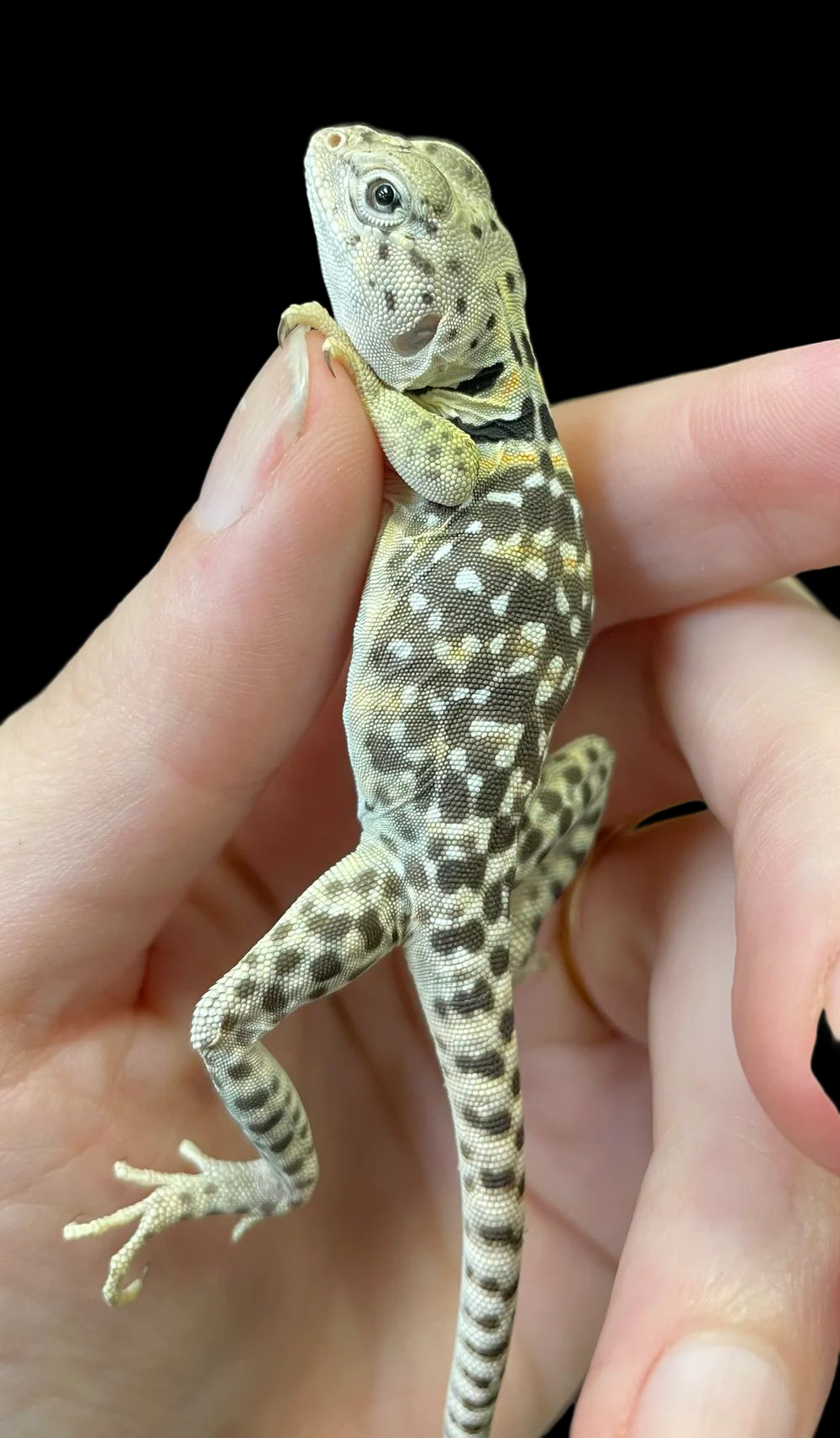
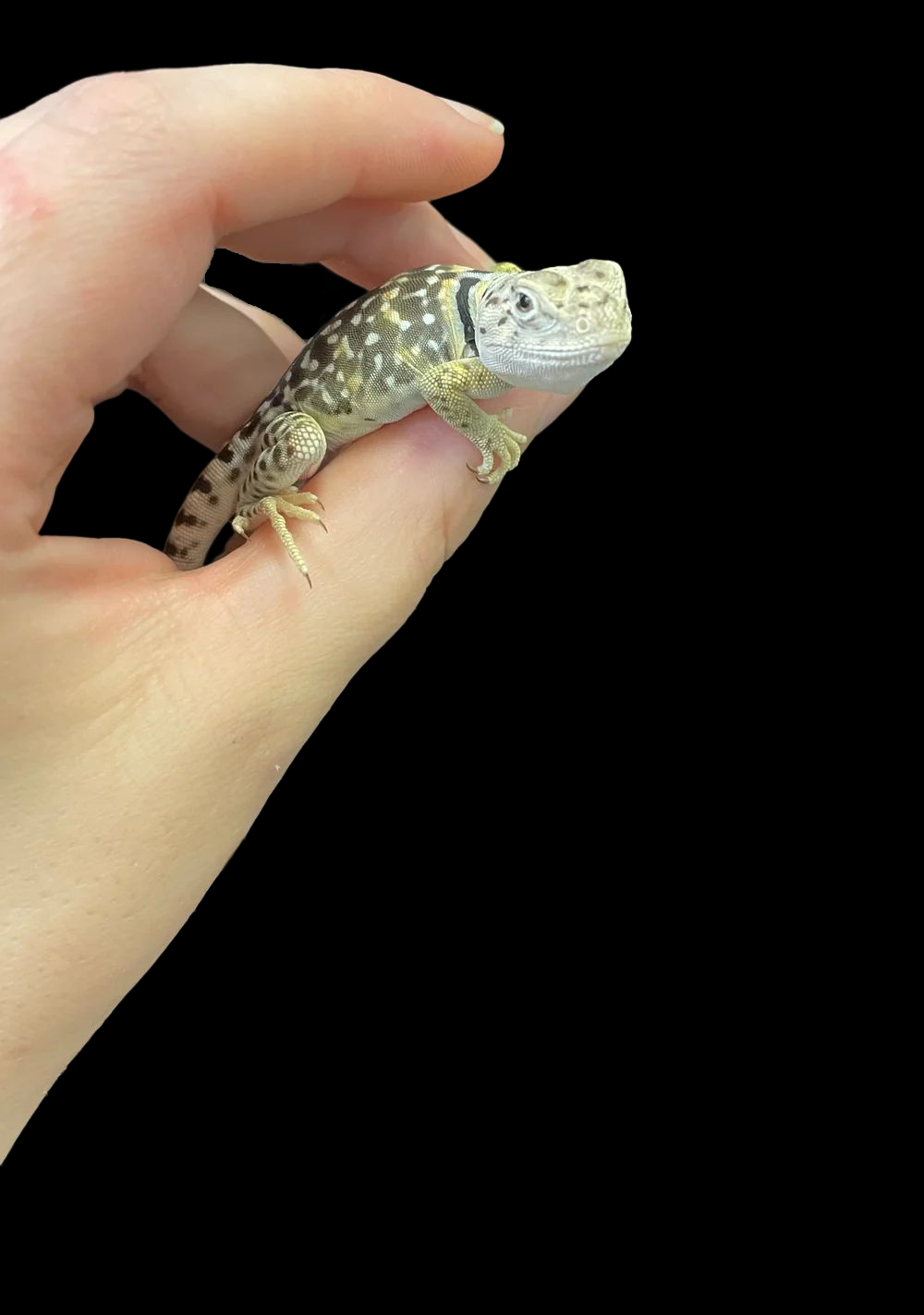
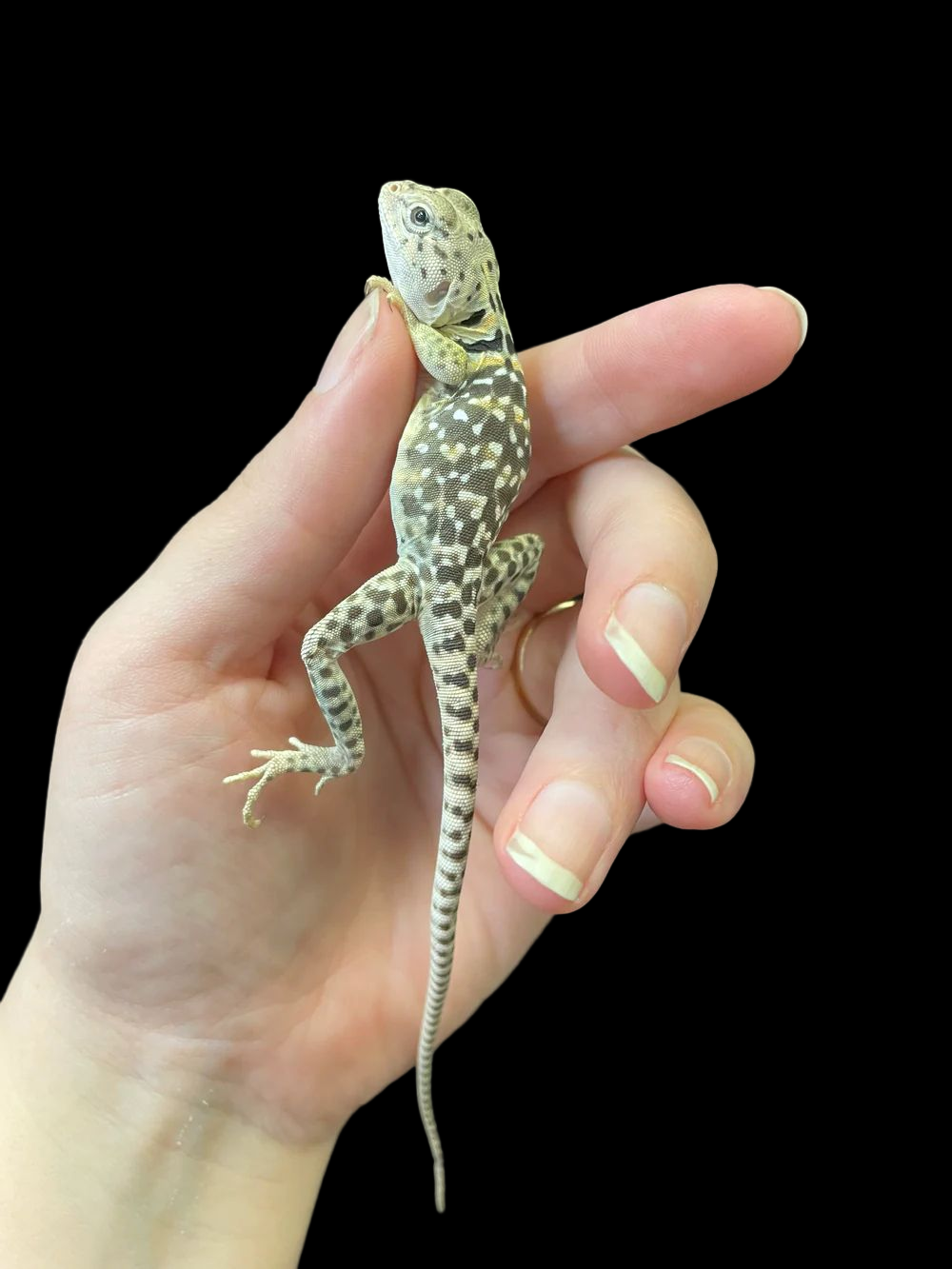
Lézard à collier de l'Est
Nom scientifique : Crotaphytus collaris
Nom commun : Lézard à collier de l'Est
Aperçu de l'espèce
Taille : Les adultes atteignent généralement 25 à 35 cm de longueur totale, les mâles étant plus grands, plus robustes et plus vivement colorés que les femelles.
Apparence : Les Lézards à collier de l'Est sont réputés pour leurs motifs audacieux et leurs couleurs vibrantes. Leur nom vient des deux bandes noires distinctes autour de leur cou. Les mâles arborent souvent de brillants bleus, verts et jaunes sur le corps, avec des tons orangés apparaissant pendant la saison de reproduction. Les femelles ont tendance à être plus claires, souvent avec de subtiles taches orange lorsqu'elles sont gravides. Leur constitution musclée, leurs grandes têtes et leurs longs membres leur permettent une vitesse impressionnante et même une course bipède. Leurs yeux sont grands et expressifs, contribuant à leur nature alerte.
Répartition : On le trouve dans le centre-sud des États-Unis, y compris l'Oklahoma, le Missouri, l'Arkansas, le Kansas, et des parties du Texas et du Nouveau-Mexique.
Habitat : Cette espèce prospère dans les environnements arides à semi-arides, y compris les affleurements rocheux, les contreforts désertiques, les garrigues et les lisières de prairie. Ils préfèrent les rochers et les blocs exposés au soleil où ils se prélassent et guettent leurs proies ou rivaux.
Comportement : Les Lézards à collier de l'Est sont diurnes, territoriaux et très actifs. Les mâles font fréquemment des hochements de tête, des pompes et des changements de couleur pour établir leur dominance. Ils sont principalement carnivores, se nourrissant d'insectes, d'araignées, de petits lézards et parfois de petits vertébrés. Ils sont extrêmement rapides et courent souvent sur deux pattes pour échapper aux menaces.
Soins en captivité
Enclos : Fournir un enclos terrestre d'au moins 90 × 45 × 45 cm pour un adulte. Inclure de grandes pierres pour se prélasser, des pierres d'escalade sécurisées, un substrat de sable-terre (sec en surface avec une meilleure rétention d'humidité en profondeur) et plusieurs cachettes. Un espace au sol ouvert est essentiel pour leur mode de vie actif.
Température et humidité :
Zone de repos : 40–46°C
Température ambiante : 29–32°C
Températures nocturnes : 21–24°C
L'humidité doit rester faible, à 30–50 %, avec une cachette légèrement humide pour faciliter la mue.
Éclairage : Fournir un éclairage fort à spectre complet avec un UVB élevé (10–12 %). Un éclairage intense soutient leur comportement adapté au désert, leur métabolisme et leur coloration vive.
Régime alimentaire : Offrir un régime carnivore comprenant des grillons, des blattes, des larves de mouches soldat noires, des vers de farine, des super vers, et occasionnellement des souriceaux. Fournir un supplément de calcium à la plupart des repas et des multivitamines chaque semaine. Les juvéniles doivent être nourris quotidiennement ; les adultes peuvent être nourris tous les 1 à 2 jours.
Comportement en captivité : Les Lézards à collier de l'Est sont énergiques, visuels et audacieux. Ils aiment se prélasser sur des rochers élevés, patrouiller leur territoire et poursuivre activement leurs proies vivantes. Ils peuvent tolérer une manipulation minimale une fois acclimatés, mais restent rapides et réactifs.
Considérations spéciales : Assurez-vous que toutes les structures rocheuses sont sécurisées pour éviter l'effondrement. Fournir un éclairage très lumineux et une forte production de chaleur. En raison de leur vitesse et de leur capacité à courir sur deux pattes, assurez-vous que l'enclos est anti-évasion. Le comportement territorial signifie que les adultes devraient généralement être logés seuls, sauf s'ils font partie d'un groupe de reproduction soigneusement géré.
Note de taxonomie
Le Lézard à collier de l'Est fait partie de la famille des Crotaphytidae, un groupe de lézards agiles et carnivores adaptés aux environnements chauds et rocheux du sud-ouest et du centre des États-Unis. Crotaphytus collaris est l'espèce la plus répandue et emblématique du groupe.
Note de génétique
Il n'y a pas de morphotypes reconnus pour le Lézard à collier de l'Est. Des variations naturelles se produisent dans le ton de la couleur, l'intensité du motif et l'éclat des couleurs de la saison de reproduction, en particulier chez les mâles. Ces différences reflètent la localité, les changements saisonniers et la génétique individuelle plutôt que l'élevage sélectif.